U.S. authorities have thwarted a plot they described as "imminent" to target Palestinian-American activist Nardin Kswani. This came after the arrest of Alexander Heifler, a 26-year-old from Hoboken, New Jersey, where eight ready-to-use Molotov cocktails were discovered.
According to the police, an undercover investigator from the New York Police Department uncovered the plot by participating in communication groups where the accused discussed making incendiary devices. Heifler had been discussing how to manufacture Molotov cocktails since February, indicating that he intended to use them in "self-defense" against activist Kswani.
Details of the Incident
Heifler was arrested on Thursday evening, as he was planning to leave the United States two days after carrying out the attack, but postponed his travel to mid-May. The federal prosecutor for New Jersey, Robert Frazier, confirmed that there is a joint investigation between the New York Police and federal agencies, praising the work that led to "identifying and neutralizing the potential threat."
Heifler is expected to appear in federal court in Newark to face charges related to the manufacture and possession of explosive materials. This incident comes at a sensitive time, as tensions surrounding human rights issues in Palestine have escalated.
Background & Context
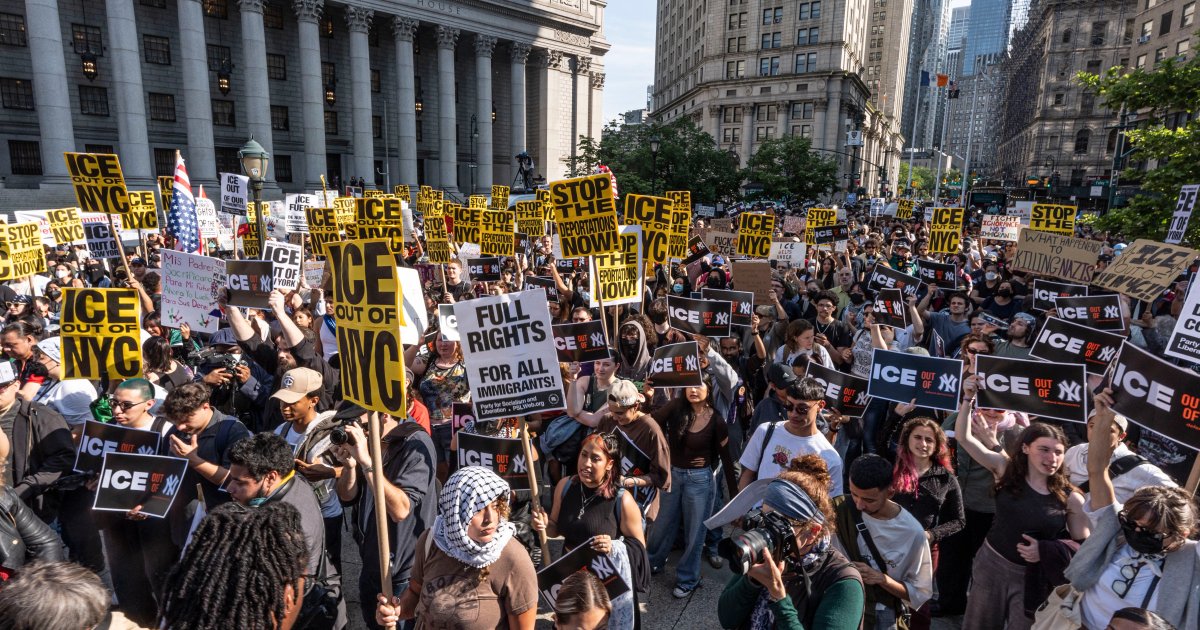
Nardin Kswani, 31, is considered one of the prominent leaders of the group "In Our Lives," which organizes large pro-Palestinian protests in New York. She has faced criticism from pro-Israel groups accusing her of "incitement," which Kswani denies, asserting that her activism focuses on "the policies and structure of the Israeli state" and not against Jews.
In February, Kswani filed a civil rights lawsuit against the organization "Betar USA," accusing it of offering "rewards" for targeting and harassing her. The Attorney General of New York, Letitia James, previously announced that the organization agreed to cease what she described as a "widespread persecution" of its opponents.
Impact & Consequences
This incident raises questions about the safety of Palestinian activists in the United States, especially amid rising anti-Palestinian rhetoric. It also reflects the challenges faced by activists in expressing their views and positions, particularly in the context of the Israeli-Palestinian conflict.
Concerns are growing that such incidents could lead to a decline in the political and social activism of Palestinian activists abroad, which may impact support for the Palestinian cause on the international stage.
Regional Significance
This incident serves as a wake-up call for activists in the Arab world, highlighting the importance of protecting their rights and security amid rising tensions. It also serves as a reminder that Palestinian issues remain present in international discussions, and there is an urgent need to support activists striving for justice.
In conclusion, the case of Nardin Kswani exemplifies the challenges faced by activists in defending the rights of the Palestinian people and underscores the necessity for international solidarity with these activists.