Food prices in Indonesia have recorded a notable increase, as reported by the Strategic Food Price Information Center (PIHPS) affiliated with Bank Indonesia. The price of red chili has reached 84,500 Indonesian Rupiah per kilogram, while the price of chicken has hit 43,550 Rupiah per kilogram. This increase occurs amidst economic changes affecting citizens' ability to purchase essential food items.
According to data released by PIHPS, other food prices have also been recorded, with red onions priced at 46,100 Rupiah per kilogram and garlic at 40,250 Rupiah per kilogram. Rice prices have varied, ranging from 14,500 Rupiah for second-grade rice to 17,250 Rupiah for premium quality rice.
Event Details
The data indicates that the price of large chili has reached 52,000 Rupiah, while curly chili is priced at 51,100 Rupiah. Additionally, prices for beef have been recorded, with first-grade beef priced at 149,200 Rupiah and second-grade beef at 140,900 Rupiah. These prices reflect the inflationary pressures facing the country.
Moreover, prices for sugar have been recorded, with premium sugar priced at 20,050 Rupiah and local sugar at 18,850 Rupiah. Cooking oil prices have also been noted, with bulk oil costing 19,800 Rupiah per liter and packaged oil at 22,950 Rupiah per liter.
Background & Context
This price increase comes at a time when the Indonesian economy is facing multiple challenges, including rising production and transportation costs, which have been significantly impacted by the COVID-19 pandemic. Additionally, climate changes have affected agricultural production, leading to shortages of some essential crops.
Indonesia is one of the largest food-producing countries in Southeast Asia, but it faces challenges in achieving self-sufficiency. Many citizens rely on these essential food items, making the rise in prices directly affect their standard of living.
Impact & Consequences
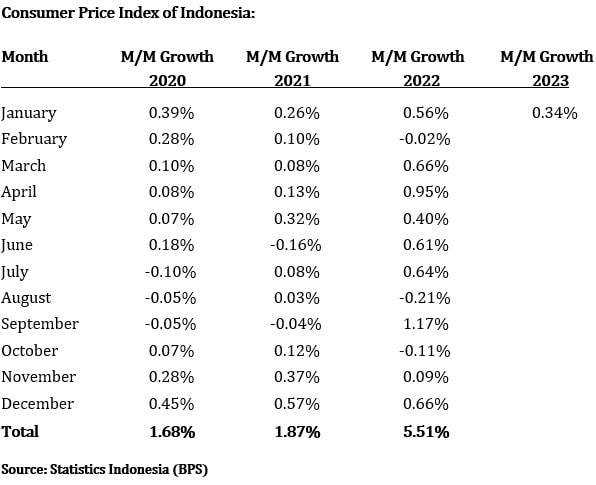
Analyses suggest that the rise in food prices may lead to increased inflation rates, which could negatively impact the Indonesian economy. Under these circumstances, the government may be compelled to take urgent measures to support the most affected groups, such as low-income families.
This price increase may also lead to a rise in public protests, as citizens express their dissatisfaction with the rising cost of living. This situation is expected to have political and economic repercussions on the current government, potentially placing it in a difficult position.
Regional Significance
Indonesia is considered one of the largest Islamic countries in the world and plays an important role in trade with Arab countries. The rise in food prices in Indonesia may affect the prices of imported goods to Arab countries, increasing inflationary pressures in the region.
Furthermore, the economic challenges facing Indonesia may impact Arab investments in the country, necessitating a reevaluation of investment and trade strategies between both parties.