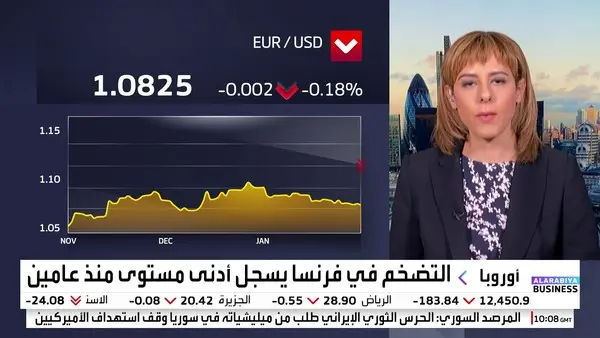
Recent reports from the National Institute of Statistics and Economic Studies in France indicate that the country will experience a growth rate of 0.9% in the first half of 2024. This comes amid rising inflation due to conflicts in the Middle East, threatening the purchasing power of French households. These effects are expected to become more apparent by the end of this year, with forecasts suggesting they will continue until 2027.
The forecasts indicate that inflation resulting from regional crises will significantly impact the French economy, as citizens will suffer from a decline in their purchasing power. The institute noted that these economic challenges could exacerbate living conditions for many families, necessitating urgent action from the French government.
Event Details
In its report dated March 24, the National Institute of Statistics clarified that the expected growth rate of 0.9% is low compared to previous forecasts. This decline reflects the impact of several factors, most notably the ongoing rise in energy and food prices due to geopolitical crises in the region.
The report also indicated that inflation could exceed 5% by the end of the year, which will directly affect living costs. The most vulnerable sectors, such as services, are expected to be particularly impacted, potentially leading to increased unemployment rates.
Background & Context
Historically, France has faced numerous economic crises that have affected its growth. Over the years, geopolitical crises, especially in the Middle East, have played a pivotal role in impacting the French economy. For instance, previous crises led to rising oil prices, adversely affecting the French economy, which heavily relies on imported energy.
In recent years, there have been government efforts to boost economic growth through infrastructure investments and incentives for various sectors. However, current challenges raise questions about the effectiveness of these policies in the face of global crises.
Impact & Consequences
The implications of these forecasts extend beyond the French economy, affecting the European economy as a whole. France is one of the largest economies in the European Union, and any decline in its growth could impact the economic stability of the entire region. Additionally, rising inflation may increase pressure on the European Central Bank to adopt more stringent monetary measures.
Furthermore, the effects of inflation could erode the middle class, potentially leading to increased social and political tensions. The country may witness protests from citizens struggling with rising living costs, similar to previous movements such as the Yellow Vests.
Regional Significance
Considering the impact of crises in the Middle East on the French economy, it is evident that there is a close interconnection between economic conditions in the Arab region and Europe. Ongoing conflicts in the Middle East affect oil and food prices, which in turn reflect on the European economy, including France.
Moreover, rising inflation in France could lead to a reduction in French investments in the Arab region, potentially impacting development projects and increasing economic challenges in Arab countries. Thus, the economic situation in France could have wide-ranging implications for economic relations between France and Arab nations.
In conclusion, France appears to be facing significant economic challenges in the first half of 2024, with forecasts of low growth and high inflation. The current situation requires a swift and effective response from the French government to ensure economic stability and protect the purchasing power of citizens.