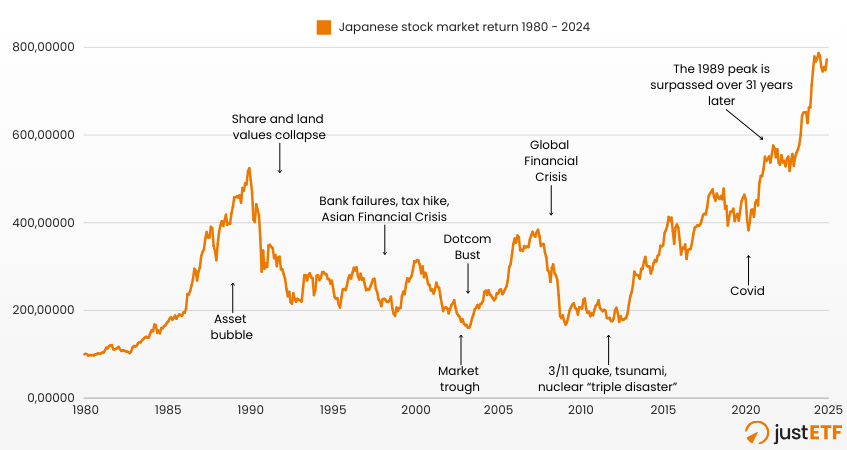
Last week, Japanese financial markets experienced a significant decline in stock sales, with foreign investors selling the largest amount of Japanese stocks since September 2024. This trend arises amid escalating concerns about the impact of the Iranian war on the Asian economy, reflecting growing anxiety over the conflict's repercussions on economic stability in the region.
According to reports, data indicated that foreigners sold Japanese stocks worth up to 18 billion Japanese yen, highlighting increasing fears regarding the Iranian war's effects on global markets. This trend reflects heightened concerns that the conflict could exacerbate economic crises in Asia, particularly in Japan, which heavily relies on regional stability.
Details of the Event
In the past week, Japanese financial markets recorded the largest sales by foreign investors in over a year and a half. The data showed that these sales occurred during a highly sensitive period, as tensions in the Middle East escalate, raising fears of negative impacts on the Asian economy. There is also growing concern regarding the stability of oil prices and their effect on economic growth in Japan.
These sales are indicative of a decline in confidence in Japanese markets, as foreign investors seek to reduce their exposure to risks associated with regional conflicts. Some analysts have pointed out that these moves could lead to a larger downturn in the markets if tensions continue to escalate.
Background & Context
Historically, Japan has depended on stability in the Middle East, as this region is a major source of oil and natural resources. With the rise of conflicts in the area, companies and investors have begun to reassess their investments in Japan. In recent years, Japan has witnessed significant fluctuations in financial markets due to geopolitical events, affecting investor confidence.
The Iranian war is one of the main factors influencing Asian markets, as any escalation in the conflict could lead to rising oil prices and increased production costs, negatively impacting the Japanese economy. Additionally, Japan heavily relies on oil imports, making it vulnerable to fluctuations in global prices.
Impact & Consequences
Large-scale sales of Japanese stocks could lead to a further decline in financial markets, affecting Japanese companies and increasing pressure on the economy. If these trends continue, we may witness a decrease in foreign investments in Japan, which could heighten economic pressures.
On the other hand, these sales may lead to increased volatility in financial markets, making it difficult for Japanese companies to plan for the future. A decline in confidence in the markets could also affect Japan's ability to attract foreign investments, potentially leading to slower economic growth.
Regional Significance
The ongoing events in Iran have a direct impact on the Arab region, as any escalation in the conflict could affect oil prices, which is crucial for many Arab countries that rely on oil revenues. Moreover, economic stability in Japan is important for many Arab nations seeking to enhance their trade relations with Tokyo.
In light of these circumstances, Arab countries should closely monitor developments in the region and be prepared to adapt to any changes that may arise in global markets.