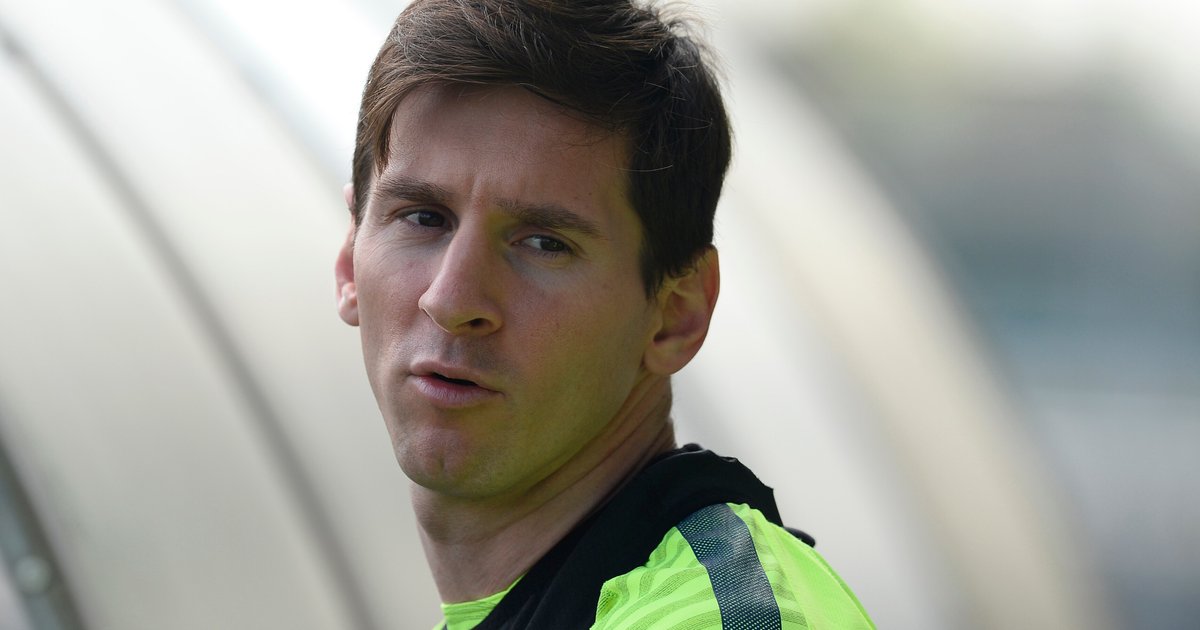
The former therapist of Barcelona, who worked for an extended period with Argentine star Lionel Messi, revealed his personal struggles during that time. He described himself as being "like his shadow," reflecting the immense pressures he faced while providing support to Messi in his sporting career.
These statements come at a time when the world of football is witnessing numerous challenges, with players facing enormous psychological and physical pressures. The therapist, who preferred to remain anonymous, indicated that working with Messi required a high level of focus and commitment, which significantly impacted his personal life.
Details of the Experience
In his remarks, the therapist explained that he was always present alongside Messi, whether during training or matches. This constant presence made him feel like an integral part of the player's life, but at the same time, he suffered from psychological pressures due to the high expectations placed upon him.
He also added that Messi required special care, needing immediate treatment at times, which forced him to work long hours without breaks. This situation affected his personal balance, as he found it challenging to allocate time for himself or his family.
Background & Context
Historically, Lionel Messi is considered one of the greatest football players in the world, having spent most of his professional career with Barcelona, where he achieved numerous titles and awards. However, great success comes with significant pressures, whether from the media or fans.
In recent years, many studies have begun to reveal the psychological impacts faced by professional athletes, leading to increased awareness about the importance of mental health in the sports world. The therapist's statements shed light on an important aspect of athletes' lives, which is the psychological pressure that may go unnoticed by the public.
Impact & Consequences
The therapist's struggles go beyond personal experience, reflecting the reality of many professionals in the sports world. Psychological pressures can lead to serious health issues and can significantly affect athletic performance.
These situations require clubs and sports federations to take serious steps to support players and their therapists by providing healthy and supportive work environments and offering psychological support services regularly.
Regional Significance
In the Arab region, where football enjoys immense popularity, these experiences can serve as an important lesson for clubs and players. It is essential to focus on the mental health of players and provide the necessary support to help them cope with pressures.
This issue is particularly significant given the increasing number of Arab players achieving success in European leagues, making it crucial to provide a healthy environment that helps them deal with the challenges they may face.
In conclusion, the experience of the former Barcelona therapist with Messi reflects a complex reality in the world of football, where success requires a balance between athletic performance and mental health. This issue should be a focal point for clubs and sports federations to ensure a better future for players.