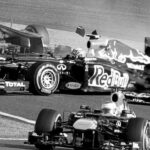
Formula 1 has announced that the upcoming Japanese Grand Prix, scheduled for this weekend, will be the last race before a five-week suspension. This decision is made in light of escalating geopolitical tensions arising from the war in Iran, which is affecting the championship schedule and forcing organizers to reassess the circumstances surrounding upcoming races.
The race, which will take place at the famous Suzuka Circuit, is considered one of the highlights of the Formula 1 calendar, attracting thousands of motorsport fans from around the world. However, the current conditions in the region necessitate precautionary measures to ensure the safety of teams and drivers.
Details of the Event
This suspension period follows a series of thrilling events in the world of Formula 1, where the championship has seen intense competition among drivers. Nevertheless, the war in Iran has cast a shadow over the sport, raising concerns about its impact on global sporting events.
This suspension includes two races that were scheduled to take place in both the United States and Canada, meaning that teams will need to reschedule their preparations. Additionally, this break will affect teams' plans to develop their cars and improve performance before the championship resumes.
Background & Context
Historically, Formula 1 has been affected by geopolitical events, having experienced previous suspensions due to wars and crises. For instance, in 1991, the Japanese Grand Prix was canceled due to the Gulf War. These events highlight how global crises can impact sports, making it more than just competition on the track.
The war in Iran, which began several months ago, has led to heightened tensions in the region, affecting many sectors including sports. As crises escalate, attention turns to how these events will influence major sporting events like Formula 1.
Impact & Consequences
This suspension is expected to significantly impact teams, as they will have to reassess their strategies and develop their cars under changing conditions. The psychological impact on drivers and teams could also have long-term effects on their performance in upcoming races.
Moreover, these events may lead to changes in the championship schedule, potentially affecting broadcasting rights and sponsorships. In a highly competitive world, each race is a valuable opportunity for teams to achieve success, and any suspension could impact their chances of winning the championship.
Regional Significance
The Arab region is an important part of the sports world, hosting many major sporting events. With rising tensions in Iran, sporting events in neighboring countries may be affected, raising concerns among organizers and investors. Additionally, political tensions may impact relations between countries, which could reflect on cooperation in organizing sporting events.
In conclusion, these events reflect how geopolitical crises can affect sports, making it essential for organizers and teams to be prepared to adapt to changing circumstances. All eyes will remain on Formula 1 to see how it will handle these challenges in the future.