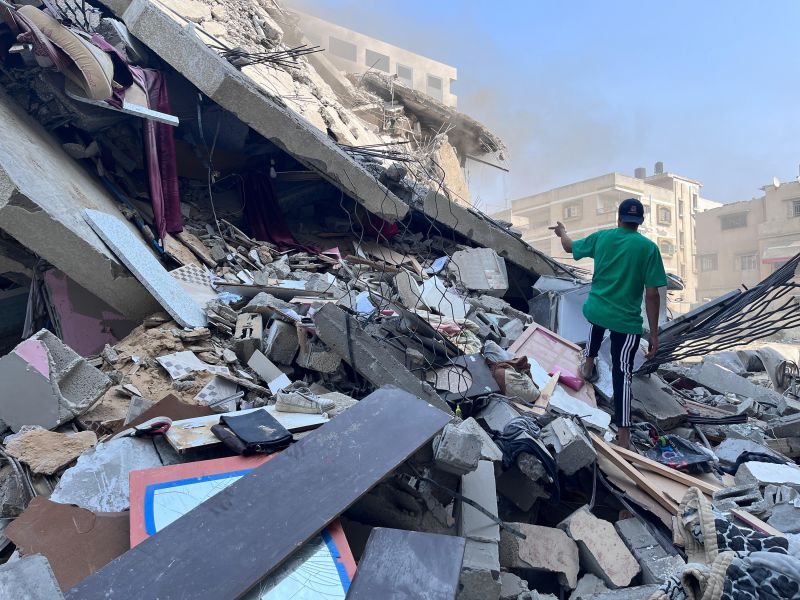
The Palestinian Ministry of Health in Gaza announced that hospitals in the region received four martyrs and 12 new injuries in the past 24 hours, raising the total toll of the Israeli aggression to 72,289 martyrs and 172,040 injured since October 7, 2023, which has been dubbed "The Al-Aqsa Flood."
The ministry clarified that several victims remain under the rubble and in the streets, as rescue teams and civil defense are unable to reach them due to ongoing targeting and the lack of safe conditions for rescue operations.
Details of the Incident
The Ministry of Health confirmed that the toll of victims since the ceasefire on October 11 has reached 713 martyrs and 1,940 injured, in addition to 756 cases of bodies recovered from under the rubble in various areas of the Gaza Strip. The ministry pointed out that the announced numbers only represent those who reached hospitals, and the field reality indicates that there are more victims whose access is hindered by the prevailing conditions.
Since the announcement of the ceasefire, the Israeli army has established seven new military sites along the border, with five of them prepared for long-term operational use through leveling and paving works. These steps indicate an effective expansion of Israeli positioning beyond the official line, complicating the humanitarian situation in the area.
Background & Context
These events come amid a continuous escalation of Israeli aggression against the Gaza Strip, which began on October 7. This escalation has led to a significant deterioration of humanitarian conditions, as approximately 2.1 million Palestinians are trapped in an area less than half the size they lived in before the war, amid harsh humanitarian circumstances.
Historically, the Gaza Strip has witnessed several rounds of military escalation, but the current situation is considered among the most dangerous, with the number of casualties increasing daily, raising international concerns and necessitating urgent interventions.
Impact & Consequences
The repercussions of this aggression extend beyond humanitarian dimensions, affecting regional stability in general. The continuation of violence in Gaza may exacerbate humanitarian crises in the region and intensify tensions between Palestinians and Israelis, which could negatively impact future peace efforts.
Moreover, the military escalation contributes to the deterioration of relations between Arab countries and Israel, as calls for solidarity with the Palestinians and an end to aggression are increasing in the Arab world. These dynamics could lead to greater escalation in the region, necessitating an urgent international response.
Regional Significance
The events in Gaza directly impact the Arab situation, stirring feelings of anger and solidarity among Arab peoples. The ongoing Israeli aggression against the Palestinians brings to mind issues of human rights and social justice, increasing pressure on Arab governments to intervene or take firmer stances.
Additionally, the situation in Gaza reflects the challenges faced by Arab countries in dealing with conflict and strife issues, highlighting the need for new strategies to address humanitarian crises in the region.
In conclusion, the conditions in Gaza remain under the world's spotlight, as the deteriorating humanitarian situation requires an urgent response from the international community, and there must be genuine efforts to achieve peace and stability in the region.