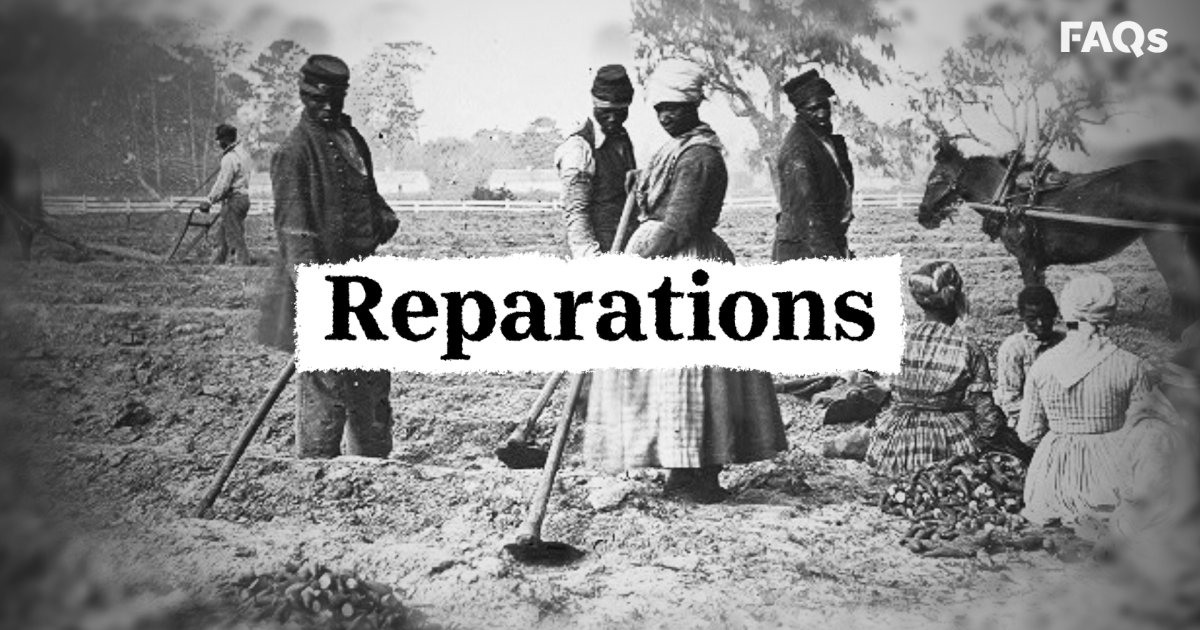
In a commitment to confront its colonial history, both Jean-Marc Ayrault and Aissatou Sow, the president and executive director of the Slavery Memory Foundation, have called on France to take a leading role in the compensation of slavery victims. This appeal was made in an article published in the newspaper Le Monde, where they emphasized the necessity of taking tangible actions after twenty-five years since the Taubira Law recognized slavery as a crime against humanity.
On March 25, the United Nations issued a statement describing the transatlantic slave trade as "one of the gravest crimes against humanity," reflecting the growing global trend towards acknowledging the devastating impacts of slavery. This classification comes at a time when there is increasing pressure on countries, especially those that were part of colonialism, to take responsibility for their historical actions.
Details of the Call for Action
The calls made by Ayrault and Sow aim to stimulate the French government to take practical steps towards compensating slavery victims. They pointed out that France, as a nation with a long colonial history, should be at the forefront of countries acknowledging the impacts of slavery and working towards rectifying them. They also stressed the importance of education and awareness on this topic in schools and universities.
This call is part of a broader movement seeking to recognize the historical injustices faced by Africans during the colonial period. Numerous studies have shown that the effects of slavery continue to impact African and African American communities to this day.
Background & Context
The history of slavery in France dates back centuries, as the country was one of the major colonial powers that exploited human resources in its colonies. The Taubira Law, passed in 2001, was a significant step towards acknowledging this painful history, but it has not been sufficient to meet the growing demands from affected communities.
Over the years, France has witnessed numerous discussions on how to deal with its colonial past, with the issue of slavery being one of the most sensitive topics. Many voices have been raised calling for financial reparations, yet the French government has been hesitant to take concrete steps in this direction.
Impact & Consequences
If the French government responds to these calls, it could have a significant impact on relations between France and African countries. These steps could enhance diplomatic and economic relations, as France would be seen as a nation acknowledging its historical responsibilities and working to correct past wrongs.
Furthermore, these actions could influence global discussions on social justice and human rights, as the issue of slavery is one of the most pressing matters requiring comprehensive addressing. Such calls could inspire other countries to recognize their colonial pasts and work towards compensating their victims.
Regional Significance
The implications of addressing the legacy of slavery extend beyond France, impacting its relationships with former colonies and shaping the narrative around colonial history. Acknowledging these injustices could foster a more equitable partnership with African nations.
In conclusion, the call for reparations not only seeks to address historical wrongs but also aims to promote social justice and reconciliation in a post-colonial context.