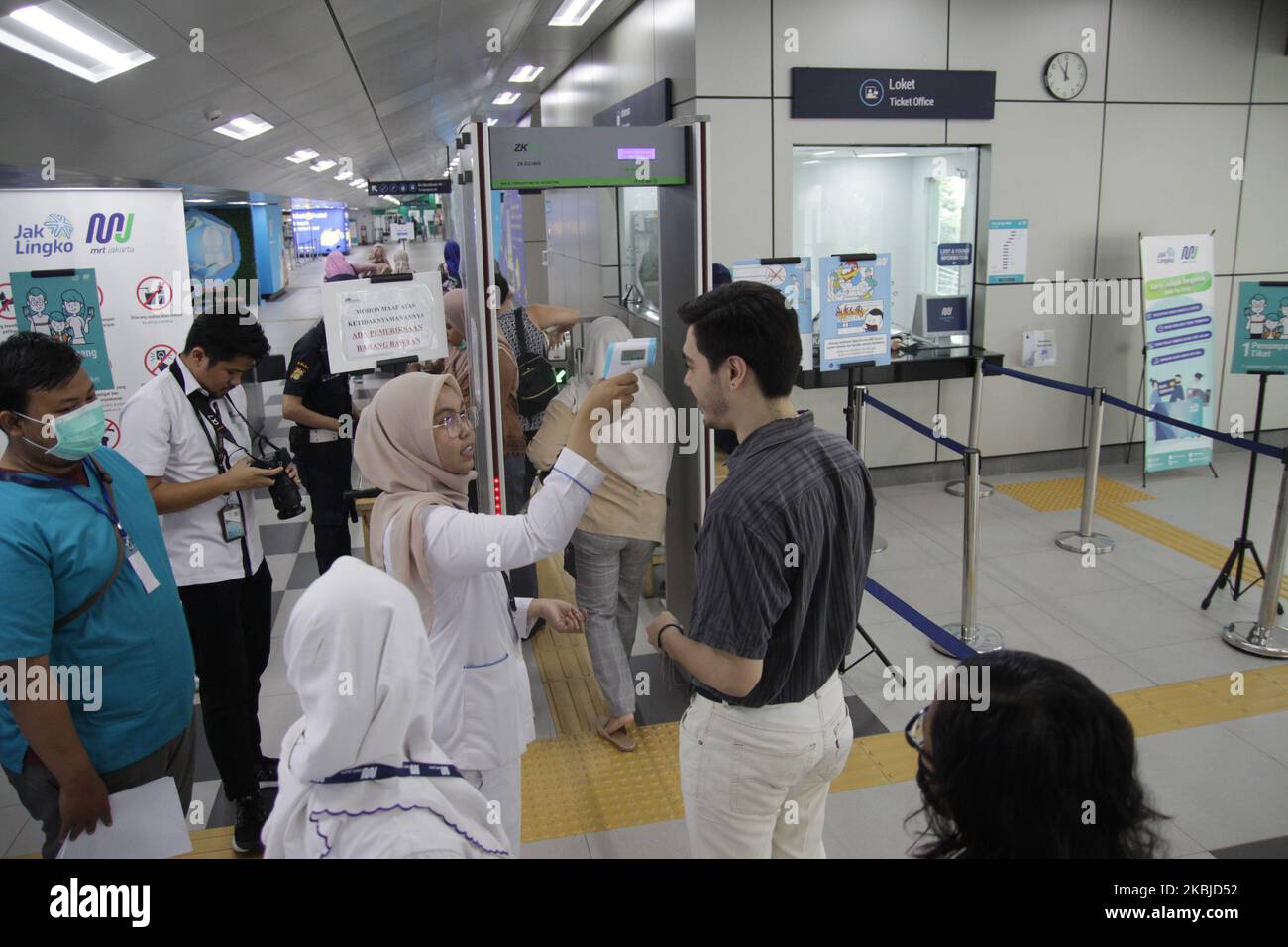
A total of 214 bus drivers benefited from free health screenings (CKG) at the Bulogibang station in Jakarta from March 14 to 28, 2026. This program aims to promote public health among drivers, including essential checks such as blood pressure measurement, blood sugar levels, and screening for communicable and non-communicable diseases, according to age groups.
Dr. Nanda, one of the participating doctors in the program, reported that the number of drivers who benefited from this service was significant, reaching 214 drivers during the peak period from March 14 to March 28. He explained that the screenings revealed that cases of hypertension were the most common among drivers, with many cases identified after the examinations.
Event Details
This health service was provided at a private health center within the Bulogibang station, requiring only a national ID card for data registration. Dr. Nanda confirmed that no serious medical conditions requiring hospital referral were found, reflecting the program's effectiveness in early disease detection.
In addition to health screenings, vaccinations against measles were offered to children, as nurse Sri Haryati noted an increase in measles cases, necessitating the provision of vaccines for children who had not yet received them. She indicated that there were about nine staff members present daily at the center, consisting of doctors, nurses, and health technicians.
Background & Context
The Bulogibang station is one of the largest bus stations in Jakarta, experiencing heavy traffic, especially during holiday seasons. This initiative is part of the Indonesian government's efforts to improve public health and provide free health services to citizens, particularly in densely populated areas.
Historically, Indonesia has faced significant challenges in healthcare, with non-communicable diseases such as hypertension and diabetes posing a major threat to public health. Therefore, free health programs like CKG are considered an important step towards improving the health status of the population.
Impact & Consequences
This initiative serves as a model for other countries, as it can help reduce chronic disease rates among drivers, who are often subjected to work-related stress. Early screening can also aid in reducing long-term healthcare costs.
Furthermore, providing vaccinations for children contributes to strengthening community immunity and reducing the spread of infectious diseases, reflecting the Indonesian government's commitment to improving public health.
Regional Significance
This initiative is particularly significant for Arab countries, as many face similar challenges in healthcare. The lessons learned from this experience can be applied in Arab nations, especially given the difficult economic conditions some countries are experiencing.
In conclusion, free health screening programs represent a positive step towards improving community health, and Arab countries need to adopt such initiatives to enhance public health and prevent diseases.