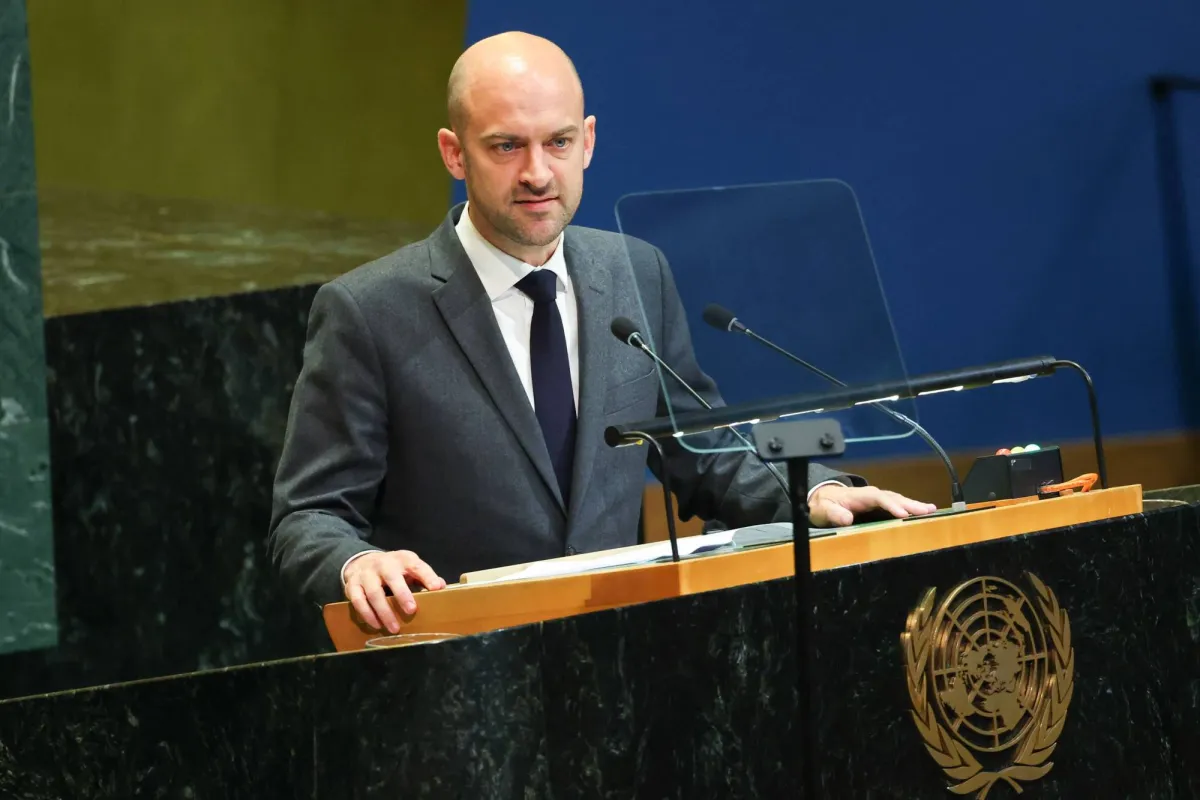
French Foreign Minister Jean-Noël Barrot will commence a Gulf tour starting Wednesday afternoon, covering Saudi Arabia, Qatar, the UAE, and Oman. This tour aims to foster communication between European leaders and their Gulf counterparts, especially given the tense circumstances prevailing in the region.
The visit follows similar tours by British Prime Minister Keir Starmer and Italian Prime Minister Giorgia Meloni, reflecting a growing European interest in developments in the Middle East, particularly regarding the US-Israeli war on Iran.
Event Details
The tour seeks to provide a platform for Barrot to meet with his counterparts in Gulf capitals, where discussions will cover a range of critical issues, including the challenges posed by Iranian nuclear and ballistic programs. French diplomatic sources have described the current context of the tour as "special," occurring six weeks after the war and amidst an indefinite ceasefire.
The tour includes countries with which France has defense agreements, as it has played a role in supporting these nations against Iranian threats. Paris emphasizes that its actions in this context far exceed those of other European countries.
Background & Context
Barrot's visit coincides with escalating regional tensions, as negotiations between Iran and the United States continue to face difficulties due to each side's belief that the balance of power favors them. This situation complicates efforts to reach effective agreements to resolve the crisis.
Through this tour, France aims to strengthen the French-Gulf approach, focusing on how to address the challenges posed by Iran, including its nuclear programs and regional role. It also seeks to restore freedom of navigation in the Strait of Hormuz, where Barrot is expected to discuss with his counterparts the progress of the French-British initiative to ensure maritime security in the region.
Impact & Consequences
Paris believes that Gulf states will not return to their previous state after the war, necessitating the strengthening of partnerships between both sides. It underscores the importance of security and defense cooperation, especially in light of increasing threats from Iran. Furthermore, it views the development of alternative routes to maintain energy supplies as essential to avoid future crises.
France aims to support its Gulf partners while emphasizing the necessity for Gulf states to play an active role in any future efforts to resolve regional crises. In this context, Paris considers cooperation with Gulf countries as key to achieving stability in the region.
Regional Significance
This tour highlights the importance of relations between France and Gulf states amid the increasing challenges facing the region. It also reflects France's desire to enhance its role as an effective mediator in regional crises, particularly concerning the Iranian issue.
In conclusion, Barrot's visit represents a significant step towards enhancing cooperation between France and Gulf states, reaffirming the importance of dialogue and communication in facing shared challenges.