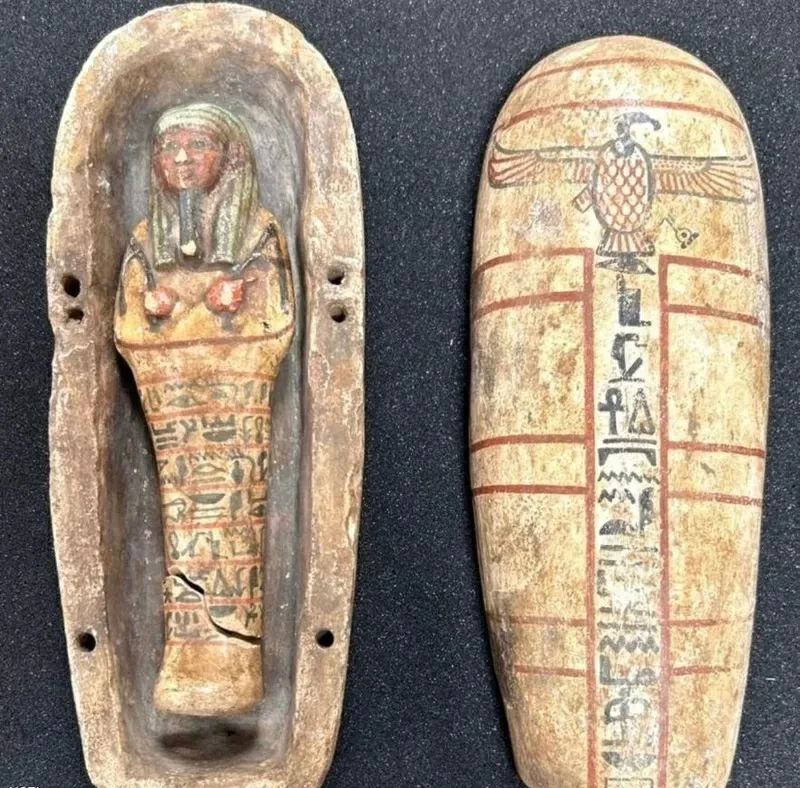
In a historic move, the French Parliament has enacted a revolutionary law that paves the way for the return of stolen archaeological treasures from Arab countries. This decision comes after decades of these treasures being held in Parisian museums under colonial pretenses, sparking widespread debate about the rights of original nations to their cultural heritage.
The new law grants the green light for the return of any artifact that was unlawfully taken during the colonial era, allowing Egypt, Algeria, Morocco, and Tunisia to reclaim parts of their cultural history. Among the artifacts drawing attention are the Egyptian "Zodiac of Dendera" statue and the Algerian "Baba Marzouk" cannon, making this step one of the largest cultural justice initiatives of the century.
Details of the Legislation
Statistics indicate that French museums hold over 90,000 artifacts originating from Africa and Arab countries. After years of Paris claiming these treasures as "public property that cannot be relinquished," this legal barrier has crumbled due to increasing political and archaeological pressures, paving the way for the return of treasures that have been locked behind museum glass for decades.
Experts describe this step as a "delayed French acknowledgment" of the heavy colonial legacy, where the issue is no longer just about artifacts but an attempt to cleanse Paris of its cultural looting crimes. This law reflects France's desire to restore dignity to peoples whose historical memories have been stolen, as their true history remains confined within the "cages" of European museums.
Background & Context
The roots of this law trace back to decades of struggle by Arab countries to reclaim their cultural heritage. European museums, particularly French ones, have retained numerous artifacts looted during the colonial period. With the rise of cultural and political awareness in the Arab world, demands for the return of these treasures have intensified, leading to pressure on the French government to reconsider its policies.
This move is part of a broader global movement aimed at reclaiming stolen cultural heritage, as many countries seek to retrieve their artifacts from Western museums. This movement has fostered dialogue about the rights of peoples to their cultural heritage, opening the door for deeper discussions on colonialism and its impact on cultural identity.
Impact & Consequences
The implications of this law extend beyond the mere return of artifacts, representing a new beginning for more balanced cultural relations between Arab countries and France. This step is expected to enhance cultural cooperation between the two sides, which may contribute to improving France's image in the Arab world.
Furthermore, the return of archaeological treasures could strengthen the cultural identity of Arab nations, fostering national pride and belonging. This may also open avenues for further collaboration in tourism and culture, benefiting local economies.
Regional Significance
This law signifies an important shift in the trajectory of cultural heritage reclamation for Arab countries. We may soon witness planes loaded with historical artifacts returning to Egypt, Algeria, and other Arab nations, restoring dignity to peoples whose treasures were taken.
The return of these treasures signifies not only the return of artifacts but also a step towards restoring the "historical dignity" of Arab peoples. Has a new era of cultural justice truly begun in the region?