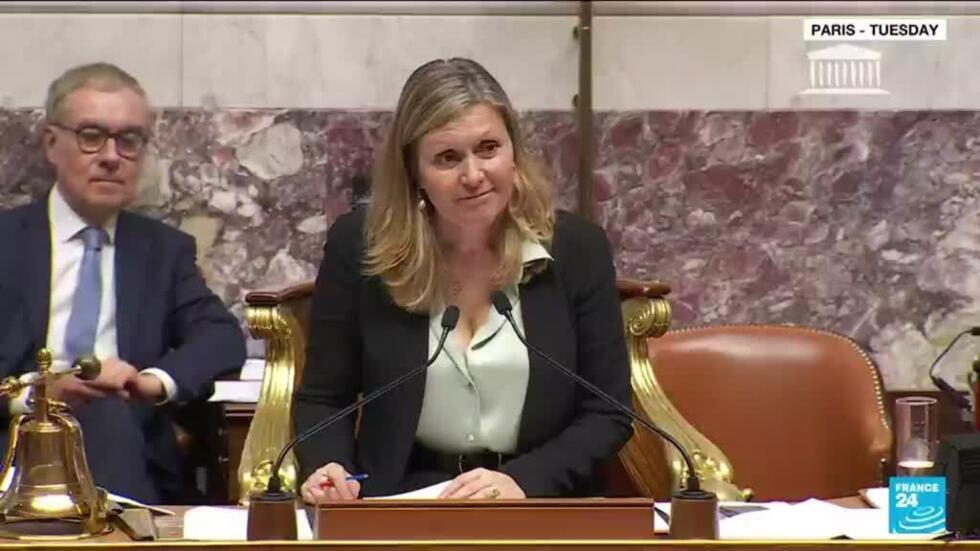
Sources close to the French Prime Minister have announced that the government has decided to abandon the use of preemptive proposals for rejection, a tactic intended to accelerate legislative procedures, as it was deemed contrary to parliamentary democracy. This decision comes at a sensitive time when the government faces substantial challenges in passing laws amidst rising political crises.
This move is part of the government's efforts to rebuild trust with both parliament and citizens, as it seeks to improve the image of the legislative process in the country. Government spokespersons indicated that these changes aim to enhance democratic dialogue and provide a more transparent environment for decision-making.
Details of the Decision
In recent years, the French government has employed preemptive proposals for rejection as a means to pressure parliament into speeding up processes, which has drawn widespread criticism from opposition parties and political observers. These methods were seen as an overreach of traditional democratic mechanisms, leading to a deterioration of trust between the government and parliament.
Under the new changes, there will be a focus on enhancing parliamentary discussions and providing more time for political parties to present their proposals and discuss them in detail. Officials hope that this will lead to improved quality of legislation and reduce the political crises that the country has experienced recently.
Background & Context
Historically, France has witnessed numerous political crises that have affected government stability, particularly amid social and economic tensions. There have been periods of political instability, where governments struggled to pass laws due to sharp divisions within parliament.
This step is part of the current government's efforts to rebuild trust with citizens, especially following protests that have occurred in recent years, expressing public dissatisfaction with government policies. These changes are expected to contribute to improving the government's image and enhancing political stability.
Impact & Consequences
These changes are anticipated to have positive effects on the political process in France, as they will provide political parties with a greater opportunity to express their views and participate in decision-making. Additionally, this move may enhance citizen participation in the democratic process, potentially leading to increased trust in the political system.
However, the biggest challenge remains how to effectively implement these changes and ensure that the parliamentary process is more open and transparent. If the government succeeds in this, it could have a positive impact on political stability in the country.
Regional Significance
The implications of this decision extend beyond France, as it may set a precedent for other nations grappling with similar democratic challenges. By reinforcing democratic practices, France could inspire neighboring countries to adopt similar reforms, fostering a broader commitment to democratic governance.
In conclusion, the government's decision to abandon preemptive proposals for rejection is a significant step towards enhancing democracy in France and rebuilding trust between the government and parliament. The success of these reforms will be closely monitored, as they hold the potential to reshape the political landscape in the country.