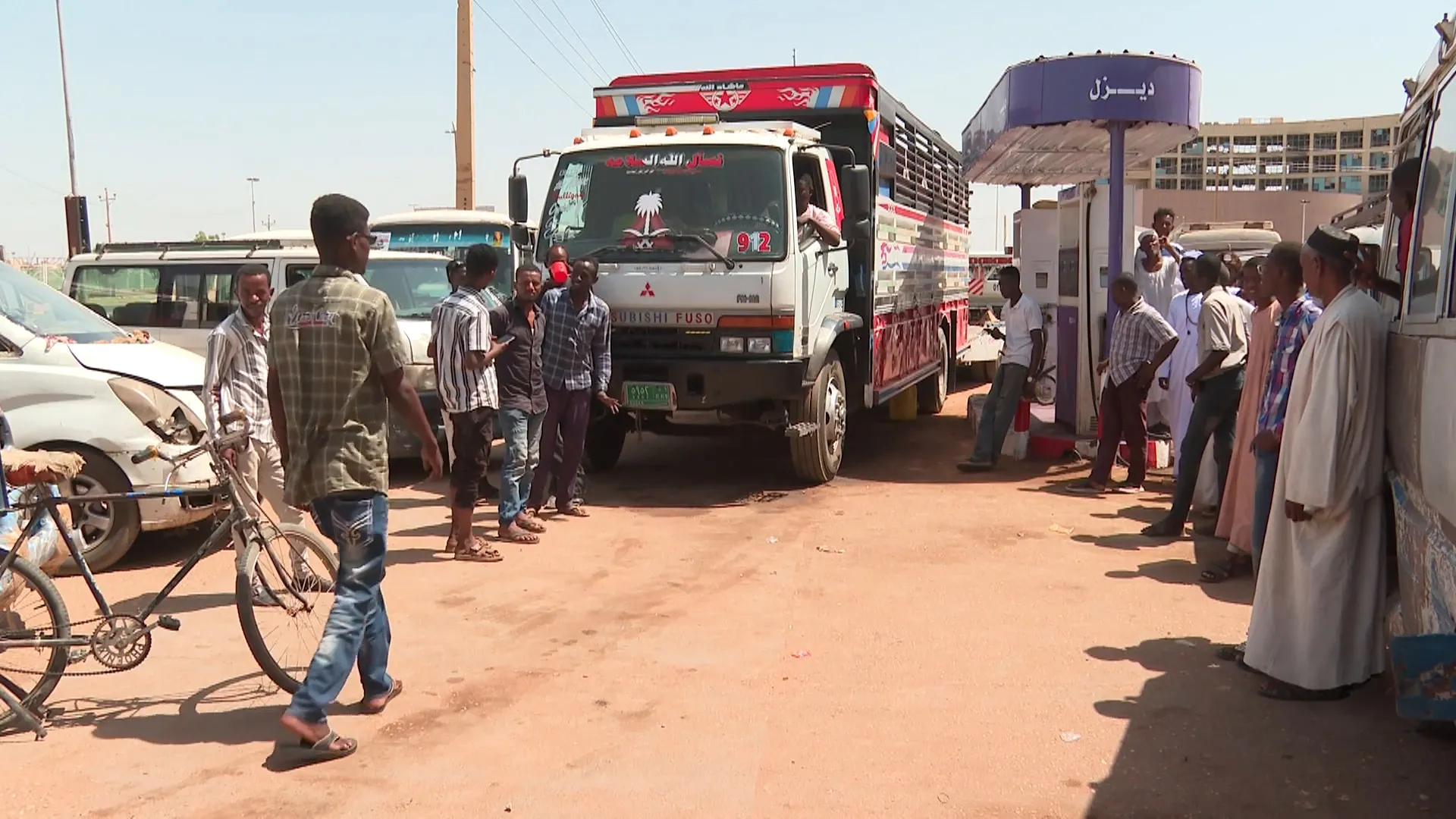
Sudanese citizens are experiencing heightened struggles as fuel prices continue to rise, with unprecedented spikes observed following escalating regional tensions. Long lines of cars at gas stations illustrate how distant conflicts can directly impact daily life.
In a report prepared by Al Jazeera's correspondent in Khartoum, drivers are seen waiting for hours to obtain fuel, threatening their ability to work and exacerbating their daily hardships. The current fuel crisis has been worsened by conflicts related to Iran, which have disrupted fuel supplies to Sudan.
Details of the Situation
The number of buses on the streets of Sudanese cities has decreased, leading to increased congestion on alternative transportation methods. Transportation costs have risen significantly, impacting the purchasing power of citizens. One resident noted that gasoline prices have notably doubled compared to Ramadan, increasing transport fares and resulting in losses for the transportation sector.
The crisis extends beyond fuel, affecting all aspects of daily life. Any increase in fuel prices directly impacts transportation costs and supply chains, leading to higher prices for essential goods in the markets.
Background & Context
The Sudanese Ministry of Oil has indicated that the price of a barrel of gasoline has surged from approximately $78 to $245 due to the repercussions of war. This significant increase reflects Sudan's vulnerability to fluctuations in the global market, as the country heavily relies on imports and suffers from weak strategic reserves.
Additionally, any tension in the Red Sea, a vital artery for fuel supplies, negatively affects availability. The ministry confirmed that it can only urge importers to reduce profit margins to alleviate the burden on citizens.
Impact & Consequences
This crisis reveals a recurring pattern in Sudan, where the repercussions of any regional disturbance quickly penetrate the interior, transforming an energy crisis into a comprehensive living crisis. The war in the region is no longer geographically distant but has become a direct pressure on the daily lives of citizens.
The Sudanese Minister of Energy and Oil, Al-Mu'tasim Ibrahim, had previously reassured citizens that the impact of the war was limited, indicating that necessary precautions were taken to address any indirect effects. However, the current reality proves that external crises significantly affect the internal situation in Sudan.
Regional Significance
The ramifications of the Sudanese crisis extend beyond the country's borders, impacting economic stability in the region. The rise in fuel prices in Sudan may lead to increased prices of goods in neighboring countries, adversely affecting the lives of citizens in those nations as well.
In conclusion, the current situation in Sudan necessitates urgent intervention from the government and the international community to alleviate the burdens on citizens and ensure the stability of essential supplies. Regional crises should not translate into daily burdens on the shoulders of the Sudanese citizen.