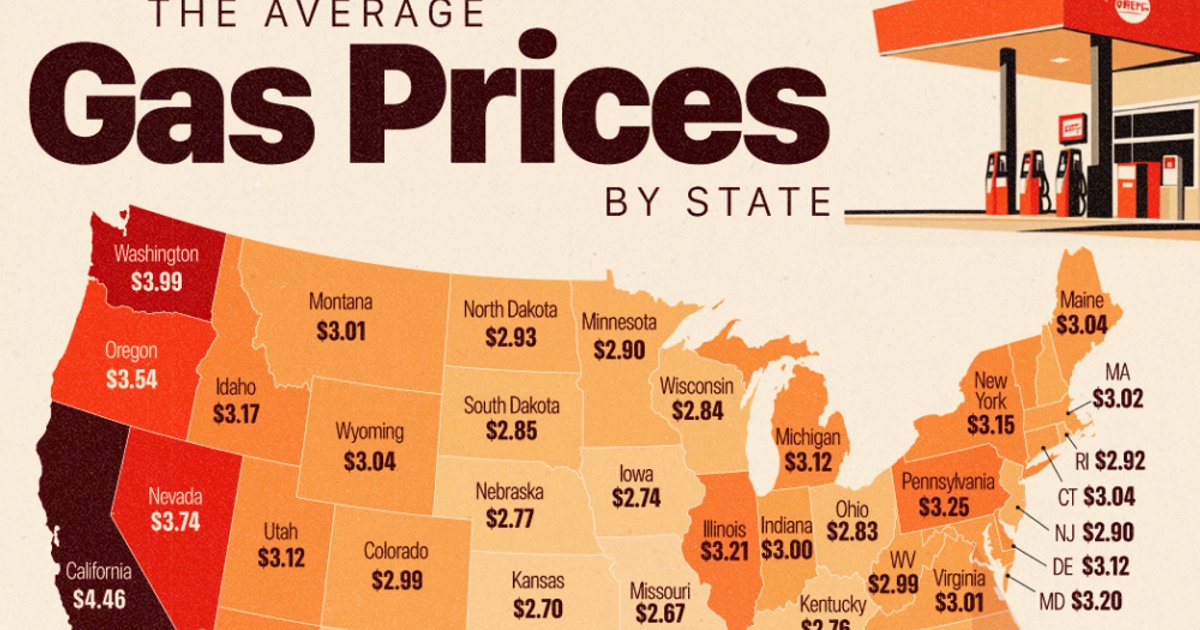
The United States is currently witnessing a notable increase in fuel prices, with prices exceeding record levels in some areas. This rise is not the result of decisions made by gas stations but is influenced by multiple factors that extend beyond local control. Among these factors are global market fluctuations, government policies, and geopolitical crises that impact oil supplies.
Fuel prices in the United States are significantly affected by global oil prices, which have experienced sharp fluctuations in recent years. For instance, political crises in oil-producing countries lead to price increases, which directly reflect on fuel costs at gas stations. Additionally, the rising demand for oil in global markets, especially from developing countries, contributes to price hikes.
Details of the Event
Recently, gasoline prices in the United States have seen a significant increase, reaching levels not seen in years. According to reports, the average price of gasoline in some states has surpassed $4 per gallon, raising concerns among consumers and prompting calls from some politicians for urgent action. However, gas stations themselves do not control these prices; they follow global prices determined by various factors.
Among the influencing factors are government policies related to energy and the environment. The shift towards renewable energy and reducing reliance on fossil fuels may affect price stability in the long term. Furthermore, taxes imposed on fuel in some states play a role in determining the final prices for consumers.
Background & Context
Historically, fuel prices in the United States have experienced significant fluctuations linked to global oil crises. For example, in the 1970s, the oil embargo imposed by Arab countries led to a sharp rise in prices, significantly impacting the American economy. Since then, the United States has become more reliant on domestic energy sources, yet it still remains affected by the global market.
In recent years, with increasing geopolitical tensions, such as conflicts in the Middle East and the Ukraine crisis, oil prices have seen sharp fluctuations. These events underscore the importance of global market stability and its direct impact on local prices.
Impact & Consequences
The rise in fuel prices has multiple effects on the American economy. Increased transportation costs lead to higher prices for goods and services, affecting consumers' purchasing power. Additionally, rising prices may reduce demand for fuel, impacting companies operating in this sector.
Moreover, the increase in fuel prices may lead to heightened pressure on the U.S. government to take action to mitigate the effects of this rise on citizens. Such measures may include providing financial support to consumers or reducing taxes imposed on fuel.
Regional Significance
The Arab region is one of the largest oil producers in the world; thus, the rise in fuel prices in the United States may have positive effects on the economies of some Arab countries. Increased global prices mean higher oil revenues, enabling producing countries to bolster their budgets and improve public services.
However, Arab countries must be cautious of over-reliance on oil revenues, as price fluctuations may lead to economic instability. It is crucial for these countries to work on diversifying their economies and reducing dependence on oil as a primary source of revenue.
In conclusion, fuel prices in the United States are contingent upon multiple factors that extend beyond local control. It requires governments, companies, and consumers to adapt to these changes to ensure economic stability.