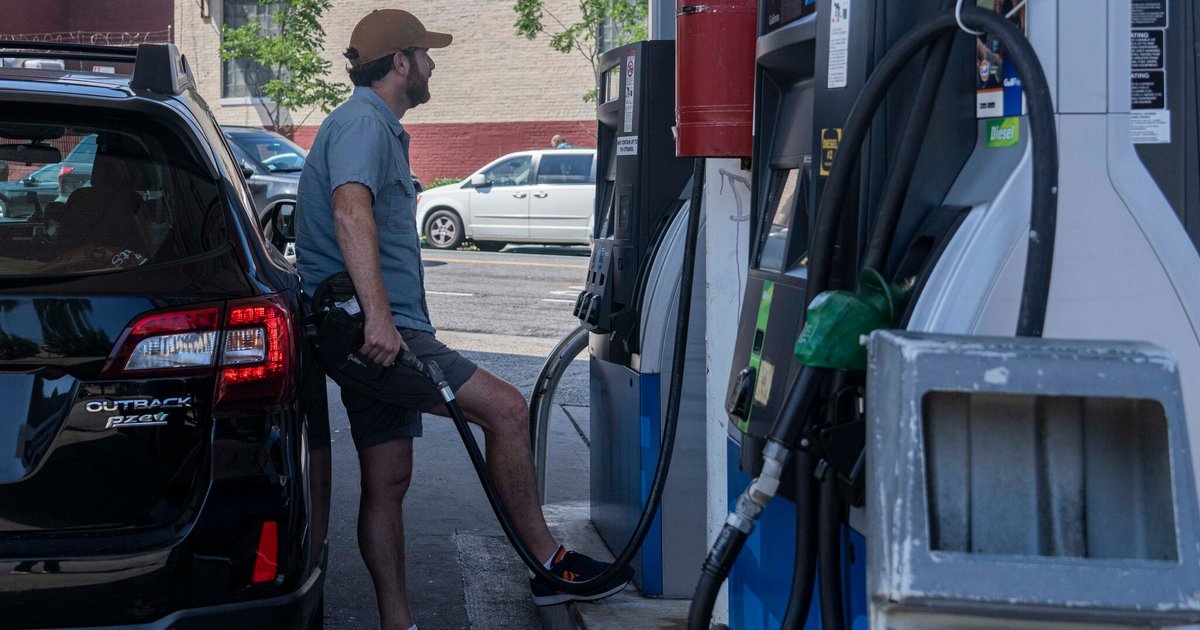
Fuel prices in the United States have surpassed $4 per gallon, significantly impacting driver behavior across the country. As prices rise, many drivers are adjusting their budgets and reducing their daily trips. According to the American Automobile Association, prices have increased by $1 since the beginning of March, with national averages reaching $4.14 per gallon.
This price increase comes at a sensitive time, as geopolitical situations, such as the conflict with Iran, are affecting oil prices and increasing the risk of supply disruptions. Many drivers, like Miranda Alcala from Queens, feel compelled to pay more, stating, "I have no choice but to pay; there’s no other way."
Details of the Situation
Reports indicate that about 59% of Americans are willing to change their driving habits or lifestyle when prices reach this level. If prices rise to $5, this number could increase to 75%. At gas stations, drivers discuss their attempts to cut spending by reducing or combining trips, but many find that their daily routines leave little room to avoid high costs.
In Queens, the price of regular gasoline was around $4.09 per gallon, prompting many drivers to rethink their budgets. Barbara Skenderis, a mother from Queens, confirmed that driving is not an option, saying, "I need the gas; how will I get around if I don’t use the car?"
Background & Context
Historically, fuel prices have experienced significant fluctuations, often influenced by global events. In recent years, political and economic crises have led to notable price increases. This current surge is not unprecedented, but it comes at a time when many Americans are facing increasing financial pressures due to inflation and rising living costs.
In cities like Washington and Los Angeles, prices exceed $6 per gallon, making it difficult for drivers to afford fuel. Emmanuel Gonzalez, a contractor in Los Angeles, expressed shock at the vast price difference compared to Virginia, where prices were significantly lower.
Impact & Consequences
High fuel prices are affecting all aspects of daily life, forcing people to reevaluate their budgets. Tana Harris, an attorney living in Bethesda, confirmed that rising prices are impacting her budget, but she struggles to find alternatives. "I can’t do much about driving because I work late hours," she said.
Additionally, many drivers face challenges in organizing their trips. Mark Garver, an independent insurance broker, stated that high prices negatively impact the middle class, as people are forced to reduce trips and seek alternative means of transportation.
Regional Significance
Fuel prices are a significant issue in the Arab region, where many countries rely on oil as a primary source of revenue. The rise in fuel prices in the United States may affect the global market, potentially leading to increased prices in Arab countries as well. Furthermore, geopolitical conditions in the region could impact the stability of oil prices.
In conclusion, it appears that rising fuel prices will continue to affect the lives of people in the United States, raising questions about how this will impact the global economy and Arab markets.