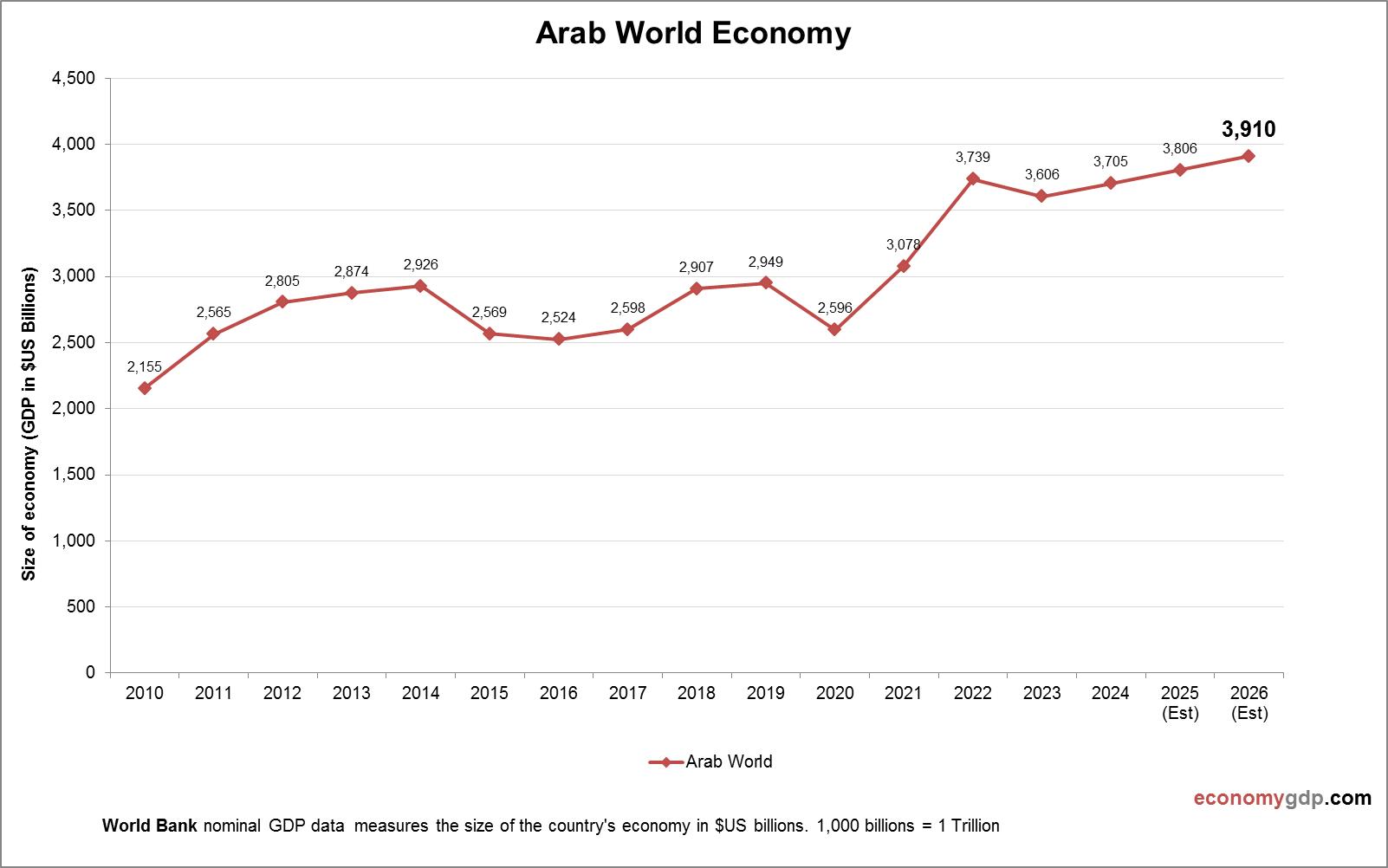
The significant gap between global innovations and the Arab reality is evident, as tech leaders like Elon Musk operate in a world detached from the economic challenges faced by Arab countries. While the world witnesses unprecedented technological advancements, the Arab region continues to struggle with structural issues in the fields of import and production.
This gap is manifested in the inability of Arab countries to capitalize on modern technological developments, hindering economic growth opportunities and negatively impacting competitiveness in global markets.
Details of the Event
Import is one of the essential factors upon which many Arab countries rely to meet their needs for goods and services. However, excessive reliance on imports reflects a weakness in local production capacity and increases economic dependency. In this context, it is noticeable that many Arab countries have failed to develop their local industries, making them vulnerable to fluctuations in global markets.
For instance, reports indicate that a significant percentage of consumer goods in Arab countries comes from abroad, exacerbating the trade deficit and affecting economic stability. At the same time, technological innovations in the region remain limited, obstructing sustainable development efforts.
Background & Context
Historically, Arab countries have depended on imports to meet their basic needs, especially after independence. Over time, many of these countries have been unable to build a strong industrial base, leading to an exacerbation of the problem of dependence on foreign sources. Despite some attempts to develop local industries, these efforts often face obstacles related to funding and technology.
Moreover, the political and economic crises that the region has witnessed in recent years have complicated the situation. Wars and internal conflicts have led to the destruction of infrastructure, making it difficult for Arab countries to achieve sustainable development.
Impact & Consequences
This gap between innovation and economic reality affects many aspects of the region. Economically, reliance on imports leads to an increase in the trade deficit, weakening the local currency and increasing inflation. Additionally, the inability to compete in global markets hinders opportunities for foreign direct investment.
Socially, this situation can lead to increased unemployment rates, as there are not enough job opportunities in productive sectors. Arab youth find themselves facing significant challenges in searching for jobs, which may lead to a rise in the phenomenon of migration in search of better opportunities.
Regional Significance
The absence of innovation in the fields of import and production places Arab countries in a precarious position, as they must confront increasing economic and social challenges. Under these circumstances, it becomes essential for Arab nations to adopt new strategies aimed at enhancing innovation and supporting local industries.
These strategies could include improving the business environment, providing necessary funding for small and medium enterprises, and enhancing education and vocational training. Arab countries should also seek to strengthen regional cooperation to exchange knowledge and expertise, enabling them to tackle common challenges.
In conclusion, the gap between innovation and economic reality in the Arab region requires concerted efforts from governments, the private sector, and civil society. Only through collaborative action can sustainable development be achieved and reliance on imports reduced.