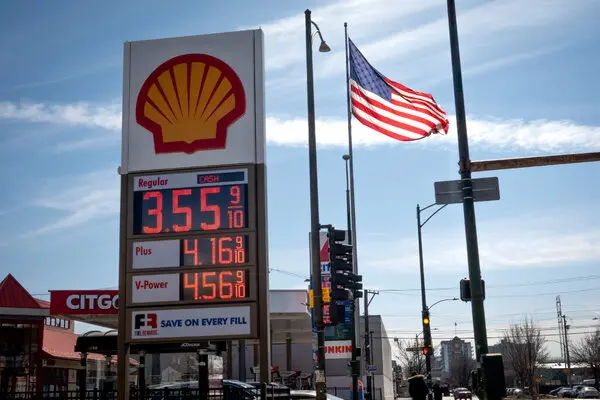
Gas prices in the United States have seen a significant increase, reaching $4.55 per gallon, the highest level in four years, just ahead of Memorial Day weekend. This rise occurs during a period of relative stability in oil prices, alongside a ceasefire in the Middle East.
Before the long weekend, data showed that gas prices have risen by more than 50% since the onset of the war with Iran on February 28. This increase reflects growing market impacts due to the closure of the Strait of Hormuz, a critical maritime route for oil transportation.
Event Details
In an interview with CNBC, Patrick De Haan, head of petroleum analysis at GasBuddy, indicated that gas prices could reach $5 per gallon in June if the closure of the strait continues. This statement highlights the increasing concern among analysts regarding the stability of energy prices in the near future.
This price increase serves as a wake-up call for American consumers, who may face higher costs for commuting and travel during the summer. With Memorial Day approaching, which marks the beginning of the summer travel season, these prices could significantly impact citizens' travel plans.
Background & Context
Historically, gas prices have experienced significant fluctuations due to geopolitical events, as any tension in the Middle East directly affects oil prices. The closure of the Strait of Hormuz, through which approximately 20% of global oil supplies pass, is a key factor influencing gas prices.
In recent years, several events have led to rising oil prices, including sanctions imposed on Iran and regional conflicts. These events make it difficult to predict the future of energy prices, increasing anxiety among consumers and businesses alike.
Impact & Consequences
The rise in gas prices has broad economic implications, affecting transportation and shipping costs, which could lead to increased prices for goods and services. Additionally, higher travel costs may impact tourism, a vital sector for the American economy.
Furthermore, this increase may put pressure on the U.S. government, which may need to intervene through policies to support consumers or reduce reliance on foreign oil. At the same time, domestic oil producers may benefit from these high prices, boosting their investments in the sector.
Regional Significance
The Middle East is one of the largest oil-producing regions in the world, and any changes in oil prices directly affect the economies of Arab countries. The rise in gas prices in the United States may lead to increased demand for oil from Arab nations, potentially bolstering their economies.
At the same time, rising prices may escalate political tensions in the region, as oil-producing countries seek to balance production and prices. This situation requires Arab nations to consider new strategies to cope with global market fluctuations.
In conclusion, the rise in gas prices in the United States signals the economic challenges the country may face in the near future. As geopolitical events continue to impact the market, citizens and analysts remain vigilant about what the coming days will bring.