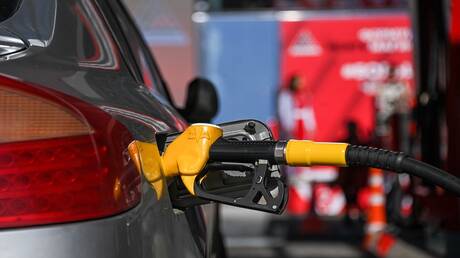
Gas prices in the United States have surpassed $4 in one-third of American states, placing them on the brink of a negative record level. This rise comes at a time when the U.S. economy is facing multiple challenges, increasing the pressure on consumers.
Gas prices are an important indicator of economic health, directly affecting transportation and living costs. As prices rise, American citizens are finding it difficult to meet their daily needs, which may lead to a decline in overall consumption.
Details of the Event
According to reports, gas prices have risen significantly in several states, with some areas recording prices exceeding $4.50 per gallon. This increase reflects rising production and transportation costs, along with global market fluctuations.
Prices vary between states, with western states like California recording the highest prices, while the central and southern states remain less affected. However, the overall trend indicates a continuous increase in prices, raising concerns among consumers.
Background & Context
Historically, the United States has experienced fluctuations in gas prices, but the current increase comes at a sensitive time as the economy faces challenges due to inflation and rising food prices. Geopolitical crises, such as conflicts in oil-producing regions, also play a role in driving prices up.
Gas prices are also influenced by local factors such as taxes and environmental policies, complicating the situation further. In recent years, there have been calls to increase domestic oil production to reduce reliance on imports, but these efforts have yet to yield tangible results.
Impact & Consequences
The rise in gas prices has wide-ranging effects on the American economy. This increase is expected to raise transportation costs, impacting the prices of goods and services. Consumers may also be forced to cut back on spending in other areas, potentially leading to slower economic growth.
Moreover, rising prices may increase political pressure on the government, as citizens demand action to curb these increases. We may also see calls for financial support for families affected by the rising cost of living.
Regional Significance
Gas and oil prices in the United States are an important indicator for global markets, including oil-producing Arab countries. An increase in prices in the U.S. may lead to higher demand for oil from Arab nations, which could positively impact the economies of these countries.
However, rising prices may also lead to increased political and economic tensions in the region, as countries strive to balance production and prices. Any fluctuations in prices could affect the economic development plans of Arab nations that heavily rely on oil revenues.
In conclusion, the rise in gas prices in the United States remains a matter of significant importance, not only for American consumers but also for oil-producing countries in the Arab region. The current situation requires careful monitoring and international cooperation to mitigate the effects of these increases.