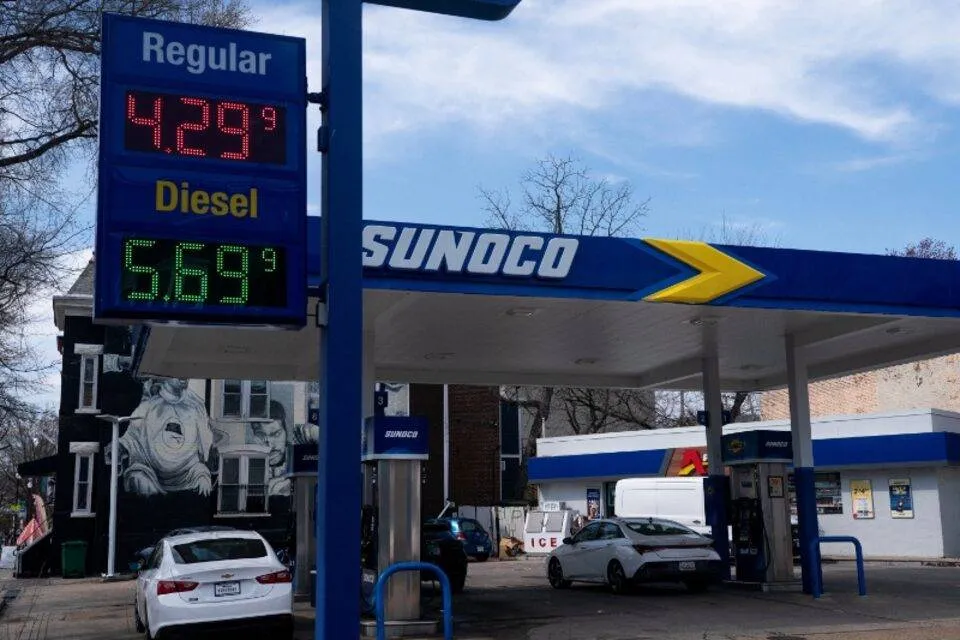
Gas prices in the United States have surged notably, reaching their highest levels since the onset of the war with Iran, reflecting the ongoing geopolitical tensions in the region. According to the American Automobile Association, the average price of gasoline has hit $4.18 per gallon, marking a substantial increase compared to the price recorded four years ago following the outbreak of the Russia-Ukraine war.
In late February, at the beginning of the war with Iran, the average gas price was $2.98 per gallon, indicating that prices have risen by approximately 40% since then. This increase is closely linked to Iran's blockade of the Strait of Hormuz, a vital artery for global shipping and oil transport.
Details of the Event
Data shows that oil exports from Gulf countries are primarily directed towards East Asian nations such as China and Japan, leading to a rise in commodity prices worldwide. Nevertheless, Americans are still paying relatively lower prices compared to European countries like Germany, where gasoline costs around €0.94 per liter, while exceeding €2 at German gas stations.
In a related context, the U.S. Treasury Department has announced new measures aimed at closing loopholes in the sanctions system imposed on Iran. It clarified that banks and financial service providers may face penalties if they engage with what are known as 'tea pot' refineries in China, which purchase and refine Iranian oil.
Background & Context
Tensions between the United States and Iran are escalating, as Washington seeks to bolster its economic pressure on Tehran. U.S. Treasury Secretary Scott Pisent indicated that these measures aim to target Iran's financial infrastructure, including networks for arms purchases and funding channels for allied militias in the Middle East.
On the other hand, Iran continues its threats regarding the Strait of Hormuz, increasing uncertainty in global oil markets. The United States has imposed sanctions on one of the largest independent refining companies in China for its dealings with Iran, provoking criticism from Beijing.
Impact & Consequences
The rise in gas prices is affecting the U.S. economy as a whole, reflecting on transportation and shipping costs, which could lead to increased prices for goods and services. Furthermore, the ongoing tensions in the region may result in further disruptions in oil markets, threatening economic stability.
Concerns are growing that this situation could exacerbate economic crises in countries that heavily rely on oil, potentially negatively impacting regional stability.
Regional Significance
Oil and gasoline prices are critical issues in the Arab region, affecting the economies of many countries. As prices continue to rise, oil-importing nations may face additional challenges in managing their budgets.
Ultimately, the situation in the region remains complex, with political and economic factors intertwining to impact citizens' lives. Effective strategies are required to address these challenges and achieve stability in the markets.