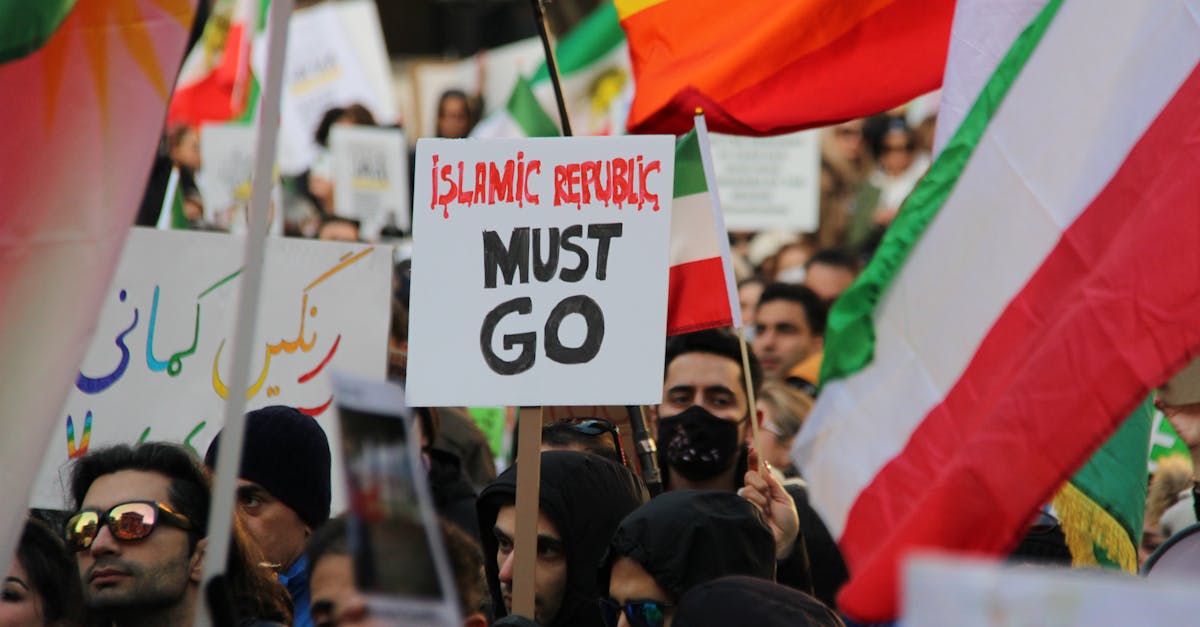
Former U.S. President Donald Trump emphasized that Iran is facing significant difficulties in unifying its ranks, which hinders its ability to reach political or diplomatic agreements. These remarks were made in the context of his discussion about the current situation in the Middle East, where tensions between Tehran and Western nations are escalating.
Trump, who withdrew from the Iranian nuclear deal in 2018, pointed out that the internal divisions within Iran reflect the weakness of the regime, making it challenging for the Iranian government to take serious steps towards dialogue or negotiations with international powers.
Details of the Event
Trump's statements come at a time when concerns are growing over the escalation of Iranian nuclear activities, as Tehran continues to develop its nuclear program amidst international criticism. Trump noted that these activities reflect instability within the Iranian regime, which is under both internal and external pressures.
He also added that many countries in the region, including U.S. allies, are worried about Iran's actions, complicating the political landscape in the Middle East. Trump called for a firm stance against Iran to ensure regional security.
Background & Context
Historically, relations between Iran and the United States have been tense, especially following the 1979 Islamic Revolution. Recent years have seen an increase in tensions, particularly after Trump's withdrawal from the nuclear agreement, which aimed to limit Iranian nuclear activities in exchange for easing sanctions.
Iran is considered one of the key players in the Middle East and has significant influence over various regional conflicts, including those in Syria and Iraq. This influence makes it difficult to ignore its role in any future peace talks or agreements.
Impact & Consequences
Trump's remarks underscore the importance of regional unity in facing the challenges posed by Iran. If Iran continues its current policies, it could lead to further divisions in the region, complicating peace and stability efforts.
Moreover, sustained pressure on Iran may escalate tensions, threatening regional security and increasing the likelihood of new conflicts. Therefore, international observers are calling for dialogue and negotiation as a means to avoid escalation.
Regional Significance
For Arab countries, the Iranian situation represents a significant challenge. Many Arab nations, especially those sharing borders with Iran, are concerned about Iranian activities, whether nuclear or military.
Arab countries are seeking to enhance cooperation among themselves to confront potential threats from Iran, which may lead to the formation of new alliances in the region. In this context, Trump's statements serve as a call to unite in facing common challenges.
In conclusion, Trump's remarks regarding Iran reflect the growing concern over Tehran's actions and highlight the importance of regional unity in addressing these challenges. Under the current circumstances, there remains hope that the international community can find diplomatic solutions to ensure security and stability in the region.