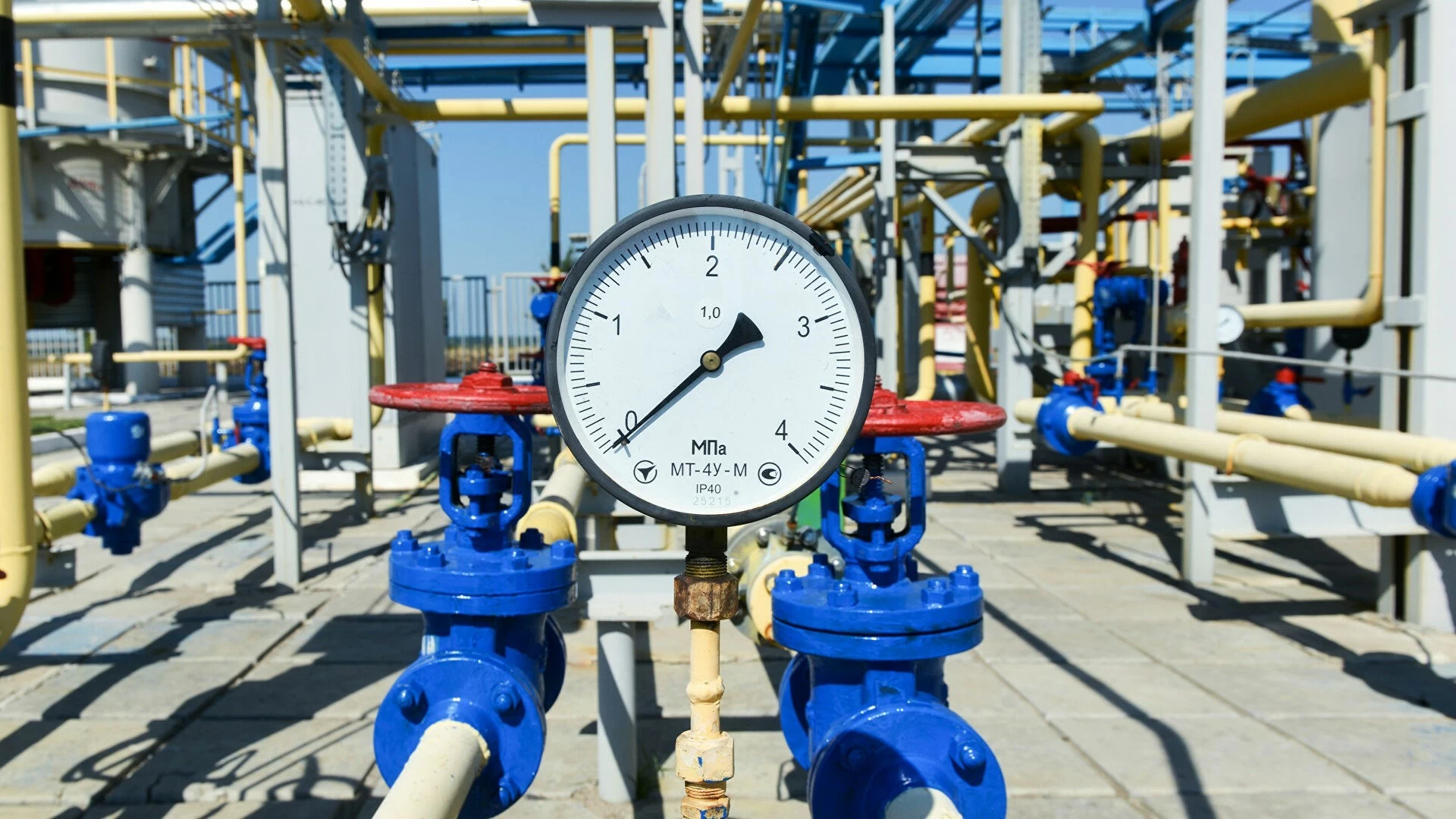
Natural gas prices in European markets saw a significant increase of 7.2% this morning, following a warning from U.S. President Donald Trump about potential military strikes "with great force" against Iran in the next few weeks. This warning has intensified uncertainty about the future of the conflict in the Middle East, directly impacting energy markets.
According to Bloomberg, prices for Dutch natural gas futures rose after having previously declined by more than 13% over the past two days, amid earlier optimism that Iran and the United States would reach an agreement to halt hostilities soon. The price for gas delivery in May saw an increase of 5.4%, reaching 50.09 euros per megawatt-hour.
Details of the Event
These significant movements in gas prices are attributed to a decrease in trading volumes, as many traders closed their positions ahead of the Easter holiday in Europe. Additionally, trading had already declined this month due to the ongoing uncertainty surrounding the fate of the conflict in the Middle East.
In his speech delivered on Wednesday evening, Trump asserted that the war is successful, indicating that the U.S. military operation was close to achieving its objectives. However, this speech has dampened hopes for a swift resolution to the conflict, negatively affecting energy and financial markets, according to the German news agency.
Background & Context
The Middle East is considered one of the most important sources of natural gas in the world, with most of the gas exported from this region to Asian markets. However, ongoing disturbances in this area may exacerbate competition for the limited global supplies of liquefied natural gas.
Historically, gas prices have experienced significant fluctuations due to political and military crises in the Middle East, making them susceptible to current events. In recent years, there have been multiple attempts to reach agreements aimed at reducing tensions in the region, but these efforts often face challenges.
Impact & Consequences
The continued rise in natural gas prices could significantly impact the European economy, as many European countries rely on imported gas to meet their energy needs. Any increase in prices may lead to higher living costs, affecting both households and businesses.
Moreover, ongoing supply disruptions from the Middle East could complicate efforts to refill gas storage facilities ahead of the upcoming winter, raising concerns about potential supply shortages in the future.
Regional Significance
For Arab countries, the ongoing tensions in the Middle East may affect the stability of local markets. Any escalation in the conflict could lead to increased energy prices, impacting economic growth in the region.
Additionally, Arab oil and gas-producing countries may find themselves in a difficult position, as disruptions in global markets could lead to price volatility, affecting their financial revenues.
In conclusion, the situation in the Middle East remains complex, with political and economic factors significantly intertwined. Gas prices are expected to continue being influenced by ongoing events, necessitating close monitoring by traders and analysts in the markets.