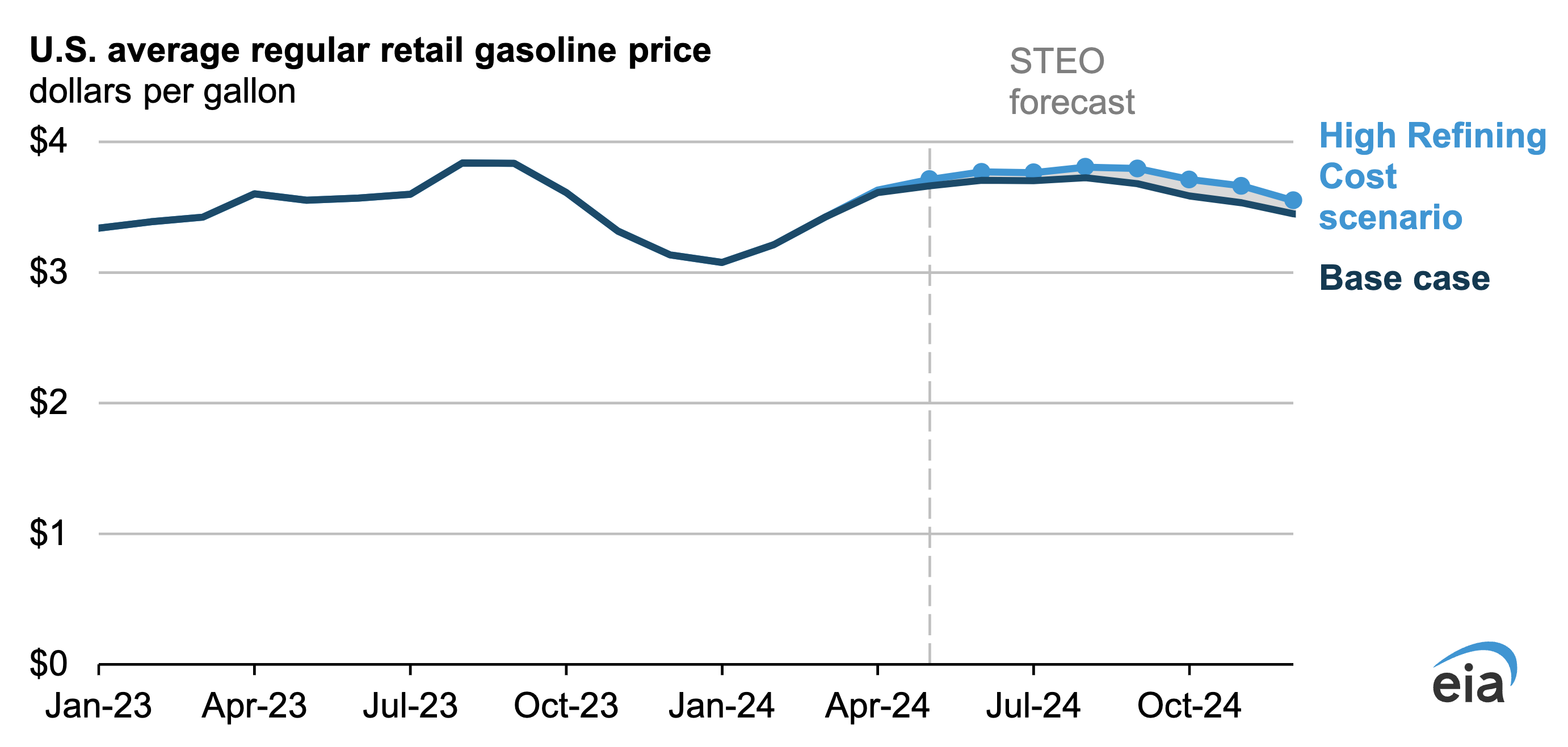
Gas prices in the United States have surpassed $4 per gallon, alarming consumers and increasing pressure on President Trump's administration. This surge comes at a sensitive time as the president discusses ending the war in Iran as part of his economic strategies. This price increase reflects the economic challenges facing the country, especially amid volatile geopolitical conditions.
The gas prices reaching this level are a significant milestone, directly impacting the budgets of American households. With rising inflation fears, consumers are worried about how this increase will affect their purchasing power. In this context, the Trump administration must take urgent steps to address this crisis.
Details of the Event
Gas prices in the United States have surpassed $4 per gallon, a level not seen in a long time. This increase comes at a sensitive moment, as pressure mounts on the Trump administration due to rising living costs. President Trump is discussing the necessity of ending the war in Iran, which could impact global oil prices and alleviate pressure on domestic gas prices.
Gas prices are an important indicator of the economic situation, affecting transportation costs, goods, and services. While Trump aims to stabilize the economy, rising gas prices could hinder his efforts and affect his popularity among voters.
Background & Context
Historically, gas prices have experienced significant fluctuations due to geopolitical events, such as conflicts in the Middle East. The war in Iran, which began several years ago, has had substantial effects on global oil markets. The United States, as one of the largest oil consumers, is directly affected by any changes in prices.
In recent years, the United States has seen an increase in domestic oil production, which has helped alleviate some pressure on prices. However, any escalation in tensions in the region could lead to a sudden spike in prices, as is the case now.
Impact & Consequences
The rise in gas prices has wide-ranging implications for the American economy. It could lead to increased inflation, affecting consumers' purchasing power. It may also influence spending decisions, as people may have to cut back on expenses in other areas to cover higher fuel costs.
Moreover, rising gas prices could impact various economic sectors, including transportation and shipping. Companies that rely on transportation may face increased costs, potentially leading to higher prices for consumers.
Regional Significance
The Middle East is one of the leading oil-producing regions, and any changes in oil prices directly affect the economies of Arab countries. Rising gas prices in the United States could lead to increased demand for oil from Arab nations, potentially boosting their economies.
At the same time, tensions in the region, such as the war in Iran, could affect the stability of oil markets. Therefore, Arab countries are closely monitoring these developments, as they could influence their economic and political strategies.
In conclusion, the rise in gas prices to $4 per gallon poses a significant challenge for the Trump administration and reflects the economic pressures facing the country. It also has wide-ranging implications for the American economy and the Arab region, necessitating a swift and effective response from all stakeholders involved.