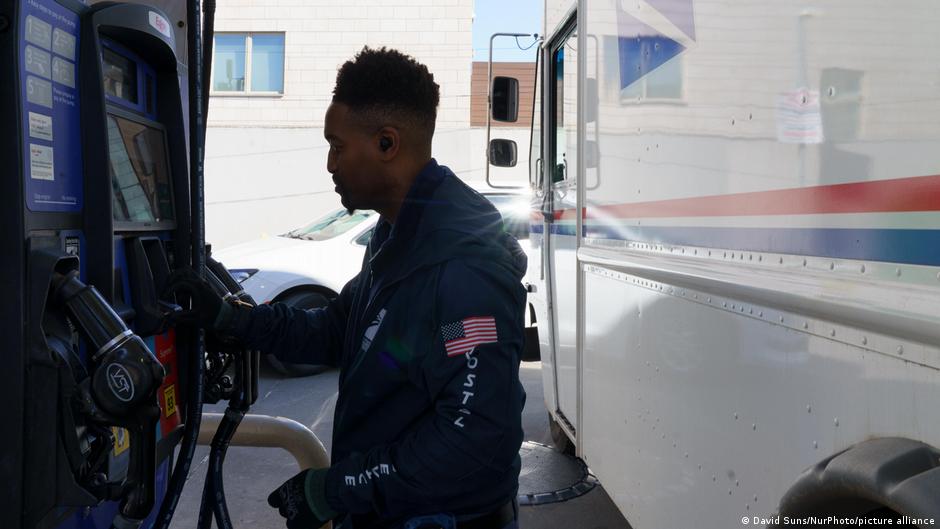
The average price of gasoline in the United States has significantly increased to $4 per gallon, a level not seen since 2022, according to the GasBuddy app that tracks fuel prices. This price surge comes at a time when the conflict between the United States and Iran is escalating, raising concerns about the stability of the global energy market.
In related news, the Kuwaiti news agency KUNA reported that a Kuwaiti oil tanker docked in Dubai was attacked, believed to be by Iranian forces. The tanker was fully loaded, raising fears of an oil spill in the surrounding waters. The Kuwait Oil Company confirmed that all 24 crew members are safe, with no injuries reported.
Details of the Incident
The rise in oil prices followed the attack on the Kuwaiti tanker, with West Texas Intermediate crude prices increasing by 3.4% to $106.40 per barrel, reflecting growing market concerns over the impact of the Iranian conflict on global oil supplies. Additionally, statements from President Donald Trump regarding the war with Iran, which included his assertion that the United States is making progress, raise questions about the US strategy in the region.
At the same time, the Iranian-backed Houthi group has joined the conflict by launching a missile attack targeting areas in southern Israel. This attack heightens fears of escalating violence in the region and could lead to targeting ships in the Red Sea, potentially exacerbating the global energy supply crisis.
Background & Context
Historically, the Strait of Hormuz is a vital point in global trade, through which approximately 20% of the world's oil supplies pass. Conflicts in this region are not new, as recent years have seen recurring tensions between Iran and the United States, especially following Washington's withdrawal from the Iranian nuclear deal in 2018. These tensions often lead to rising oil prices, impacting the global economy.
It is noteworthy that Iran has previously used the Strait of Hormuz as a means to pressure Western countries, considering it a lifeline for its economy. Any threats to close this strait or impose fees on passing ships could prompt swift reactions from major powers.
Impact & Consequences
The rise in gasoline prices in the United States could significantly impact the American economy, with experts predicting that it will lead to increased transportation and goods costs, negatively affecting consumers. Furthermore, the escalation of conflict in the region may result in greater volatility in oil prices, increasing instability in global markets.
On the other hand, these events may strengthen regional alliances, as Arab countries seek to secure their energy supplies and avoid any negative impacts on their economies. There are also concerns that the escalation of conflict could lead to greater military confrontation, threatening regional security.
Regional Significance
For Arab countries, the rising tensions in the Arabian Gulf may raise concerns about energy security and market stability. Many countries heavily rely on oil supplies, and any disruptions could lead to negative impacts on their economies. There is an urgent need to enhance regional cooperation to address the security and economic challenges arising from these crises.
In conclusion, the situation in the region remains complex, with political and economic interests intertwining. Arab countries must take proactive steps to ensure the stability of energy markets and protect their economic interests.