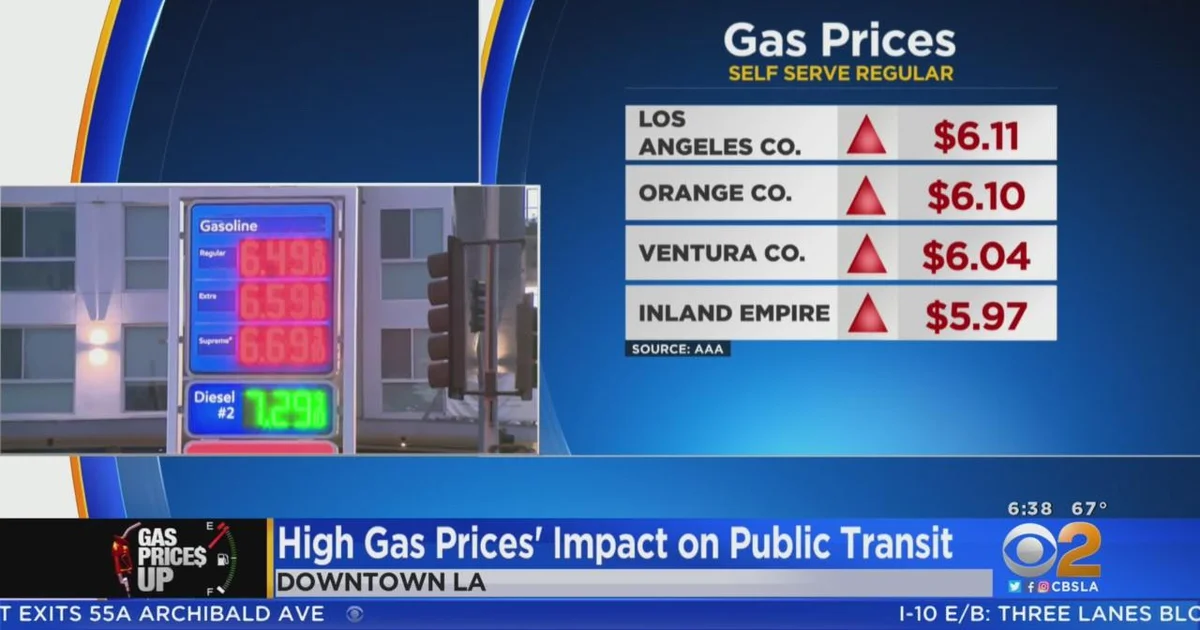
Gas prices in the United States have surpassed $4 per gallon, reflecting a significant increase in fuel costs. This rise comes at a sensitive time, as the American economy faces increasing inflationary pressures.
Reports indicate that this price increase may be the result of a combination of factors, including heightened demand for fuel following the easing of COVID-19 restrictions, as well as disruptions in global supply chains.
Details of the Event
According to local sources, gas prices have seen a notable rise in several American states, with prices ranging between $4.05 and $4.25 per gallon. This increase follows a period of relative price stability, raising concerns among consumers and analysts alike.
Gas prices are significantly influenced by global oil prices, which have also seen a recent uptick. Additionally, geopolitical crises, such as conflicts in the Middle East, play a role in price fluctuations.
Background & Context
In recent years, the United States has experienced significant fluctuations in gas prices, ranging from very low to high levels. This is due to several factors, including oil price volatility, increased fuel demand, and climate changes affecting oil production.
The impact of the COVID-19 pandemic has also played a significant role in altering fuel consumption patterns, as the country saw a substantial decline in demand during lockdown periods. However, as life returns to normal, demand has noticeably increased.
Impact & Consequences
The rise in gas prices serves as a wake-up call for the American economy, as it could lead to increased transportation and shipping costs, affecting the prices of goods and services. Additionally, rising prices may impact consumers' purchasing power, potentially negatively affecting economic growth.
Moreover, this increase may put pressure on the U.S. government to take action to mitigate the impact of this rise on citizens, such as providing financial support or reducing fuel taxes.
Regional Significance
Gas prices in the United States are an important indicator for global markets, including Arab countries. An increase in prices could lead to higher oil prices, affecting the economies of oil-producing countries in the region.
Arab countries that heavily rely on oil exports may benefit from rising prices; however, they may also face challenges if prices continue to rise and negatively impact global markets.
In conclusion, the rise in gas prices in the United States remains a topic worth monitoring, as its repercussions could extend to various aspects of the American and global economy, necessitating proactive measures from governments and analysts to address these challenges.