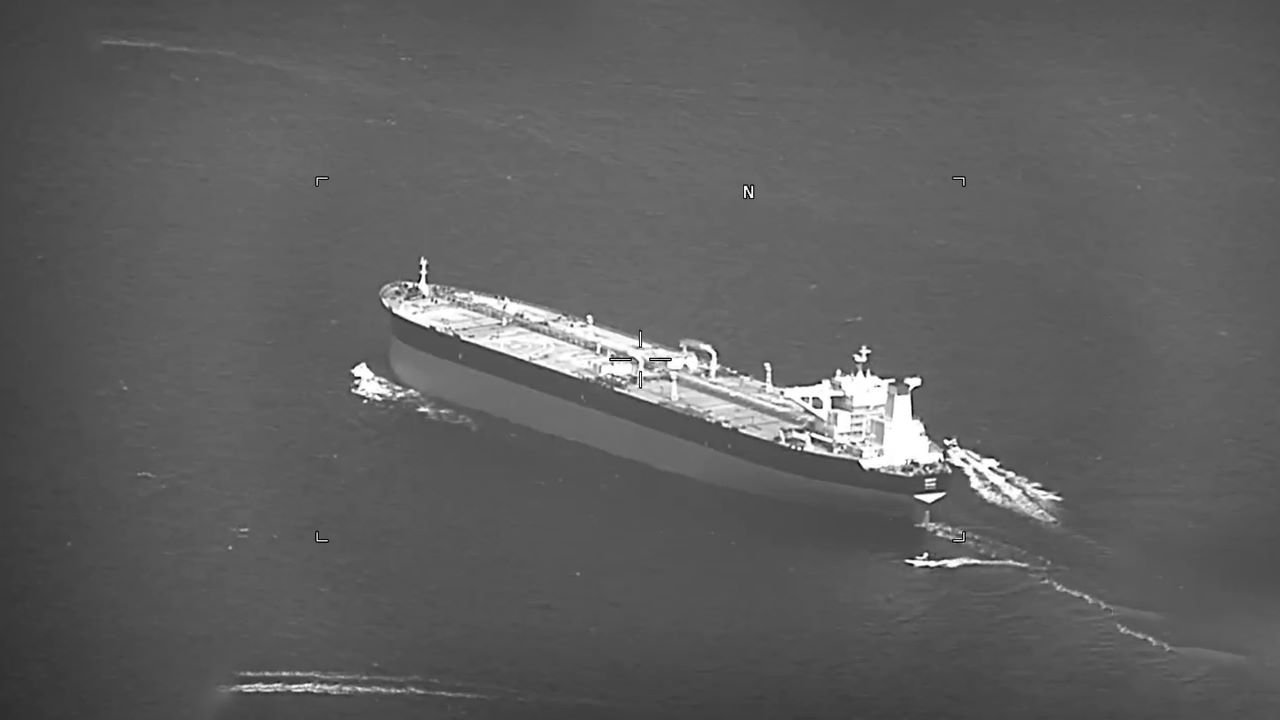
A gas tanker flying the Panama flag is attempting to navigate the Strait of Hormuz, a move that could impact shipping traffic in one of the world's most crucial maritime corridors. This attempt comes at a sensitive time marked by escalating tensions in the region.
The Strait of Hormuz is one of the most significant maritime passages, through which a large percentage of global oil and gas exports flow. This strait, which separates Iran from Oman, experiences heavy maritime activity, making it a strategic point in global trade.
Details of the Event
According to reports from Reuters, the tanker flying the Panama flag has already begun its attempt to cross the strait amid concerns over rising regional tensions. U.S. Navy warships have been monitoring the tanker’s movements, raising questions about the safety of its passage.
This attempt comes during a time of increasing tensions between Iran and the United States, as both countries exchange accusations regarding threats to maritime navigation. The U.S. military presence in the region has been reinforced to protect commercial vessels.
Background & Context
The Strait of Hormuz is a vital maritime corridor linking the Arabian Gulf with the Sea of Oman, serving as a major transit point for oil and natural gas. In recent years, the strait has witnessed numerous maritime incidents, including ship seizures and exchanges of gunfire between naval forces.
Historically, there have been multiple attempts by various countries to control this strategic passage, leading to military and political tensions. These tensions have heightened concerns regarding the safety of maritime navigation in the region.
Impact & Consequences
If the tanker successfully crosses the strait, it could alleviate some pressures on shipping traffic; however, it may simultaneously escalate tensions between Iran and Western nations. These events serve as indicators of the volatile security situation in the region.
There are growing concerns that any military escalation could significantly impact global oil prices, as many countries rely on oil supplies from the Gulf. Consequently, any disruption in shipping traffic could lead to a sudden spike in oil prices.
Regional Significance
The Arabian Gulf region is one of the most sensitive areas in the world, where economic and political interests intersect. Any escalation in tensions could affect regional stability and exacerbate existing conflicts.
Neighboring Arab countries are directly affected by any changes in shipping traffic, as their economies heavily depend on oil and gas exports. Thus, the situation in the Strait of Hormuz remains a focal point of concern for decision-makers in the region.
In conclusion, all eyes remain fixed on the Strait of Hormuz, where international interests intertwine with regional tensions, making any event there have far-reaching implications.