On a recent gathering in Beirut, 28 activists convened at the Taa Marbouta library in Hamra, aiming to coordinate efforts to support displaced persons. The meeting witnessed emotional moments as participants shared their painful experiences in light of insufficient support.
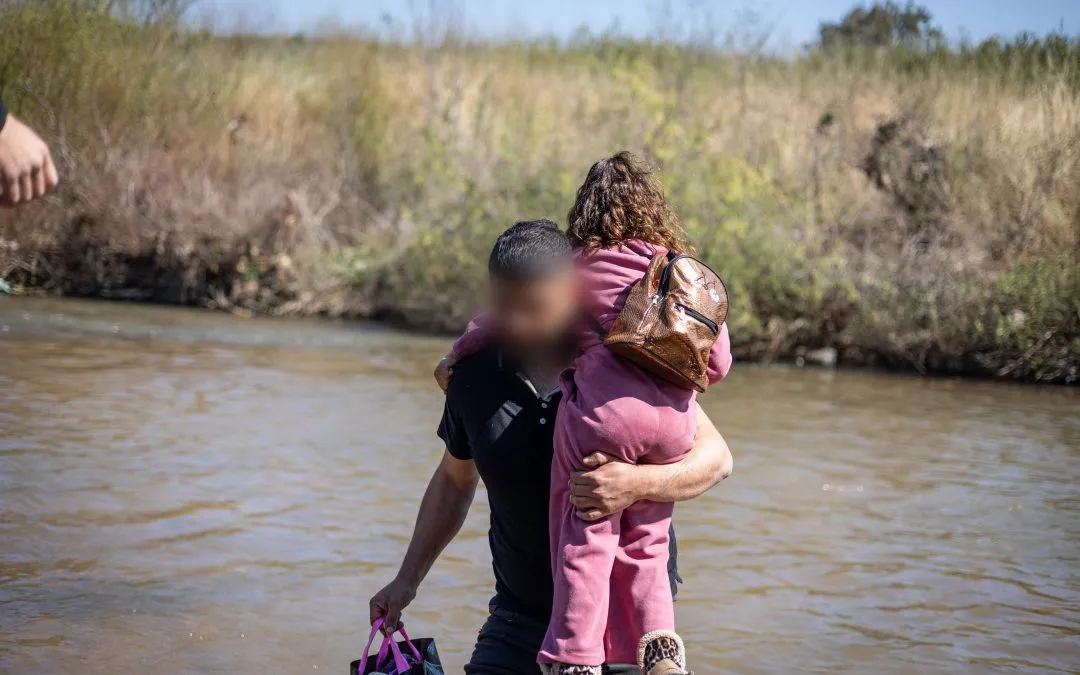
Participants spoke about the scenes of displacement they have witnessed, revealing a tragic reality that many endure. Their tears expressed the pain and urgent need for assistance, highlighting significant gaps in securing the basic needs of the displaced.
Event Details
The meeting included lively discussions on how to improve conditions for the displaced, with everyone expressing a desire to find effective solutions. Personal painful experiences were shared, adding a profound human dimension to the event. The importance of collective action in facing the challenges encountered by the displaced was emphasized.
Participants expressed hope for providing the necessary resources to meet all essential needs, stressing the need for collaborative efforts among various stakeholders. The gathering served as a platform for exchanging ideas and experiences, reflecting the spirit of solidarity among activists.
Background & Context
The issue of displaced persons in Lebanon is pressing, as many suffer from the effects of conflict and multiple crises. Lebanon, hosting a large number of refugees, faces significant economic and social challenges, exacerbating the situation for the displaced.
Historically, Lebanon has witnessed waves of displacement due to regional conflicts, making civil society play a pivotal role in providing support and assistance. The recent meeting comes as part of ongoing efforts to improve conditions for the displaced and meet their increasing needs.
Impact & Consequences
Such gatherings can help raise awareness about the issues faced by displaced persons, potentially leading to increased support from local and international communities. Additionally, the exchange of experiences and knowledge may assist in developing more effective strategies to address humanitarian crises.
The impact of these meetings extends to fostering a spirit of solidarity among activists, contributing to building a strong support network for the displaced. Amidst difficult circumstances, hope for improving conditions remains, relying on joint efforts.
Regional Significance
The issue of displaced persons in Lebanon serves as a model reflecting the challenges faced by many Arab countries. Ongoing conflicts and economic crises exacerbate the suffering of displaced individuals, necessitating collaborative efforts at the regional level.
Highlighting the plight of displaced persons in Lebanon can encourage other Arab nations to take similar steps to support affected communities. Strengthening cooperation among Arab countries in the field of human rights and humanitarian aid is essential to tackle these challenges.
In conclusion, hope for improving the humanitarian conditions of the displaced persists, depending on the continued efforts made by civil society and relevant stakeholders.