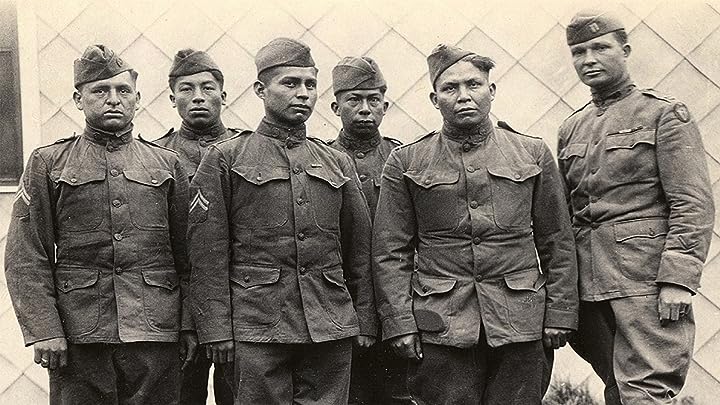
Descendants of the Choctaw Code Talkers gathered in Fort Worth, Texas, to celebrate the unveiling of a historic marker commemorating their unique contributions during World War II. This event, held in an atmosphere of pride and honor, emphasizes the crucial role these speakers played in safeguarding American military communications.
The Choctaw tribe is regarded as one of the first Native American tribes to use their language as a means of secret communication during the war, contributing to the success of numerous military operations. The celebration was attended by several tribal members, along with representatives from the local government, where these heroes who helped protect their homeland were honored.
Event Details
The event featured the unveiling of a historic marker named "Choctaw Code Talkers," placed at a site symbolizing the cultural heritage of the tribe. Several speakers delivered moving speeches expressing pride in their past and their commitment to preserving this legacy for future generations. Cultural activities were organized, including traditional dances and artistic performances that reflect the history and culture of the Choctaw tribe.
It is noteworthy that the Choctaw Code Talkers played a pivotal role in many battles, using their language, which was incomprehensible to enemies, as a means to secure communications, contributing to strategic victories. This unique use of language made these speakers heroes in the eyes of many.
Background & Context
The Choctaw tribe was established in the 17th century and is one of the largest Native American tribes. During World War II, many tribal members were recruited into the U.S. Army, where they were trained to use their language in military operations. This use of language was not just a means of communication but also a symbol of cultural identity and pride in heritage.
Over the years, the Choctaw tribe has faced numerous challenges, including attempts to erase their culture and language. However, celebrations like this reflect the willpower and determination to maintain cultural identity, embodying the spirit of the tribe in the face of difficulties.
Impact & Consequences
Commemorating the Choctaw Code Talkers is not only about honoring heroes but also reflects the importance of recognizing cultural diversity in American society. These events highlight the role of indigenous cultures in shaping American history and contribute to fostering mutual understanding and respect among different communities.
This event also opens the door for further discussion on the importance of preserving indigenous languages and cultures, encouraging support for initiatives aimed at promoting cultural heritage. Celebrating such historical stories enhances cultural identity and underscores the significance of diversity in modern societies.
Regional Significance
Although this event takes place in the United States, it carries important implications for the Arab region. Just as Native American tribes strive to preserve their heritage, Arab peoples face similar challenges in maintaining their cultures and languages amid globalization. Strengthening cultural identity and pride in heritage is crucial for all peoples, including Arab communities seeking to preserve their rich history.
In conclusion, this event represents an opportunity to reflect on the importance of cultural heritage and its role in shaping identity, both in the United States and the Arab world. Celebrating such historical stories fosters pride and belonging and encourages the preservation of diverse cultures.