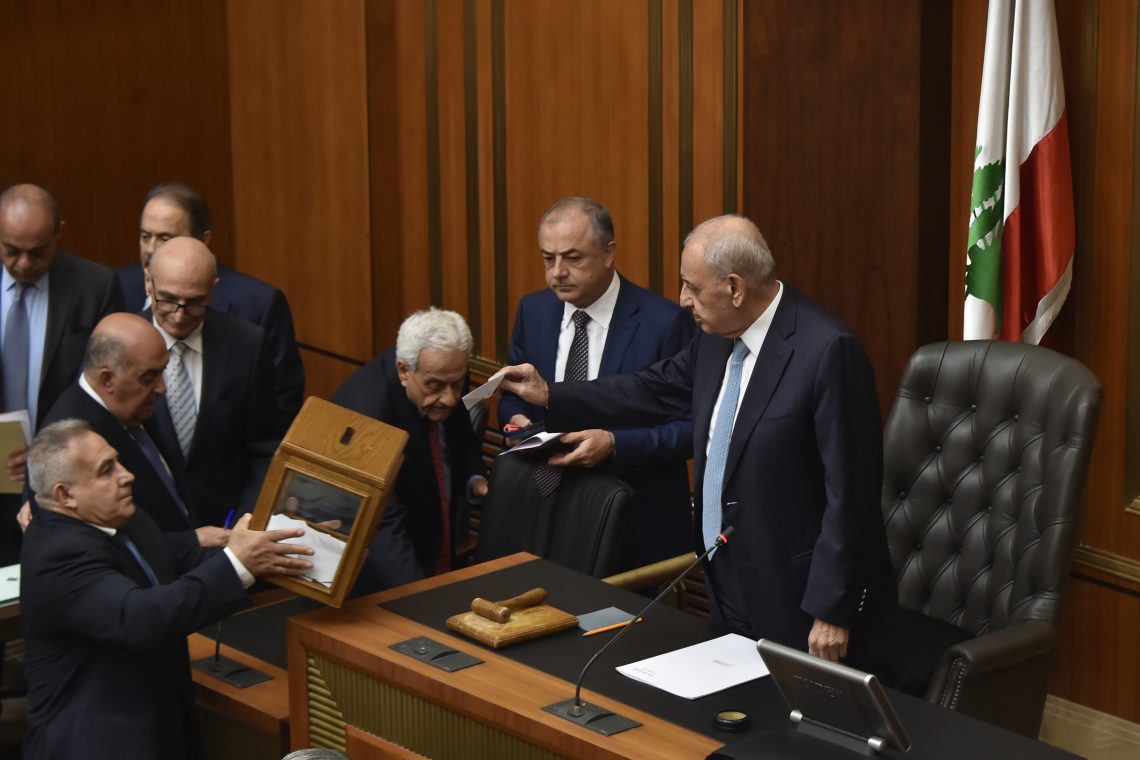
Today, all eyes are on the Baabda Palace where President Joseph Aoun, Prime Minister Nawaf Salam, and Speaker Nabih Berri are expected to meet. The aim of this gathering is to establish a unified position regarding direct negotiations between Lebanon and Israel amidst increasing discussions on the topic.
This meeting comes at a highly sensitive time for Lebanon, as both internal and external pressures mount regarding how to handle negotiations with Israel. Questions have been raised about Lebanon's readiness to make concessions given the difficult economic and political conditions it faces.
Details of the Meeting
The meeting is expected to address key issues related to the negotiations, including both maritime and land borders. Some observers have noted that this gathering could be a turning point in Lebanese-Israeli relations, especially given the ongoing tensions in the region.
In recent days, calls from various political factions in Lebanon have increased for dialogue to reach a unified stance. This meeting is viewed as an opportunity to unify ranks in the face of external challenges.
Background & Context
Historically, Lebanese-Israeli relations have been extremely tense, marked by numerous armed conflicts. However, the current situation requires Lebanon to take new steps to address the increasing challenges, including economic and political crises.
It is important to note that Lebanon is suffering from a crippling economic crisis, making it essential to seek diplomatic solutions. These crises have affected the Lebanese government's ability to make decisive decisions regarding negotiations with Israel.
Impact & Consequences
If the meeting succeeds in achieving consensus among the three presidents, it could strengthen Lebanon's position in negotiations. It may also contribute to improving relations with the international community, which is closely monitoring developments in Lebanon.
On the other hand, the Lebanese government may face internal challenges if decisions are made that some political factions view as concessions. Therefore, balancing the internal and external positions will be crucial.
Regional Significance
The Lebanese-Israeli negotiations are part of the larger picture in the Middle East. Any progress in this area could impact relations between Arab countries and Israel, especially in light of recent developments in the region.
Moreover, Lebanon's success in achieving a unified stance could encourage other countries in the region to take similar steps, enhancing the prospects for peace and stability in the Middle East.
In conclusion, today's meeting in Baabda remains the focus of attention, as both Lebanese and Arab citizens await the outcomes of this gathering and the potential political and economic ramifications.