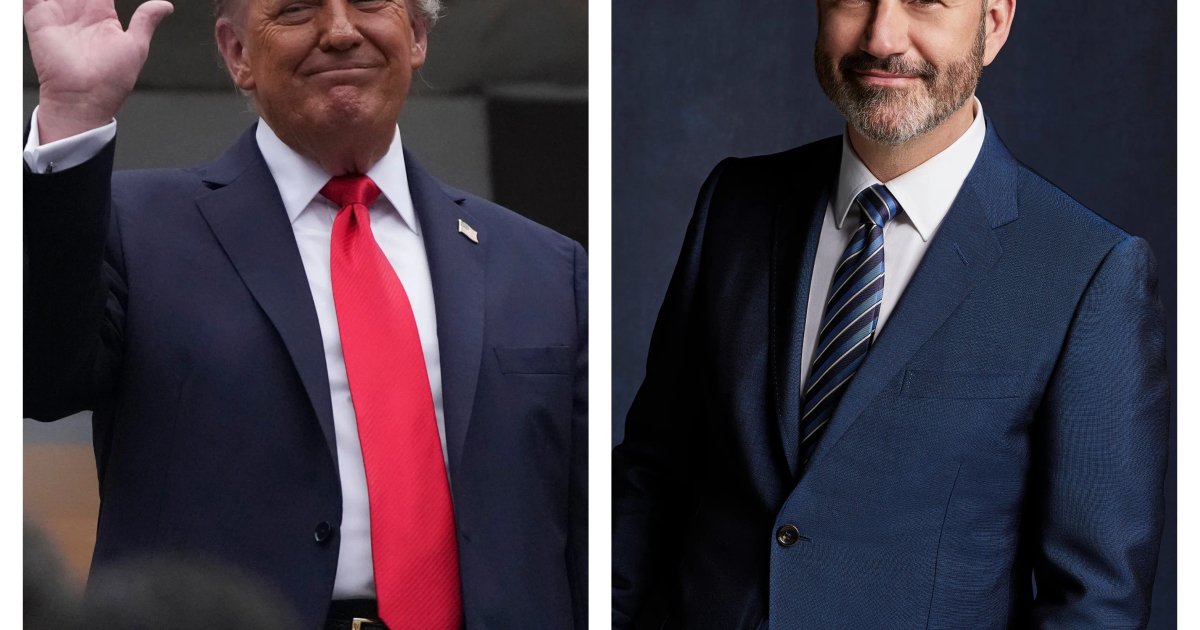
The Federal Communications Commission (FCC) has made a decision to review the broadcasting licenses of the Disney network after President Donald Trump called for the dismissal of host Jimmy Kimmel. This decision follows Kimmel's inappropriate joke in which he remarked that Melania Trump looked like a "pregnant widow."
These events come just days after a shooting incident at an event attended by Trump and his wife, which heightened the criticism directed at Kimmel. In an official statement, the FCC noted that it was investigating ABC stations owned by Disney for potential violations, including unlawful discrimination.
Details of the Review
In its order issued on Tuesday, the FCC requested that Disney submit renewal applications for all of its television stations within 30 days. This step is unprecedented, as the FCC has not revoked broadcasting licenses in over 40 years. A spokesperson for Disney confirmed that ABC stations operate within the FCC's guidelines and comply with its laws.
In a related context, Democratic commissioner Anna M. Gomez criticized the decision, labeling it a "political maneuver" and asserting that it is illegal and unproductive. She urged companies to confront this decision directly, emphasizing that the First Amendment of the U.S. Constitution supports their position.
Background & Context
The FCC was established in 1934, with its original mission to regulate radio and television broadcasting frequencies. The agency has set rules regarding advertising, emergency broadcasting, and content related to decency and public morals. In recent years, political pressure on media outlets has increased, with Trump previously suggesting that networks providing him with "negative coverage" should have their licenses revoked.
It is noteworthy that Kimmel's show was suspended last September after comments deemed offensive regarding a shooting incident involving a conservative figure. However, his show returned a week later.
Impact & Consequences
This action by the FCC serves as a warning to media outlets regarding the limits of free speech, particularly amid rising political pressures. This review could lead to changes in how the media covers political events, potentially impacting press freedom in the United States.
Furthermore, these events may exacerbate political division in the country, as media outlets adopt differing stances toward the current administration. This issue is likely to spark widespread debate over free speech and media rights.
Regional Significance
This situation highlights the tensions between free expression and political pressures on media, reflecting the challenges faced by journalism in the United States. The outcome of this review could set a precedent for future interactions between the government and media organizations.
In conclusion, the FCC's review of Disney's broadcasting licenses underscores the ongoing struggle for media independence and the implications of political influence on journalism.