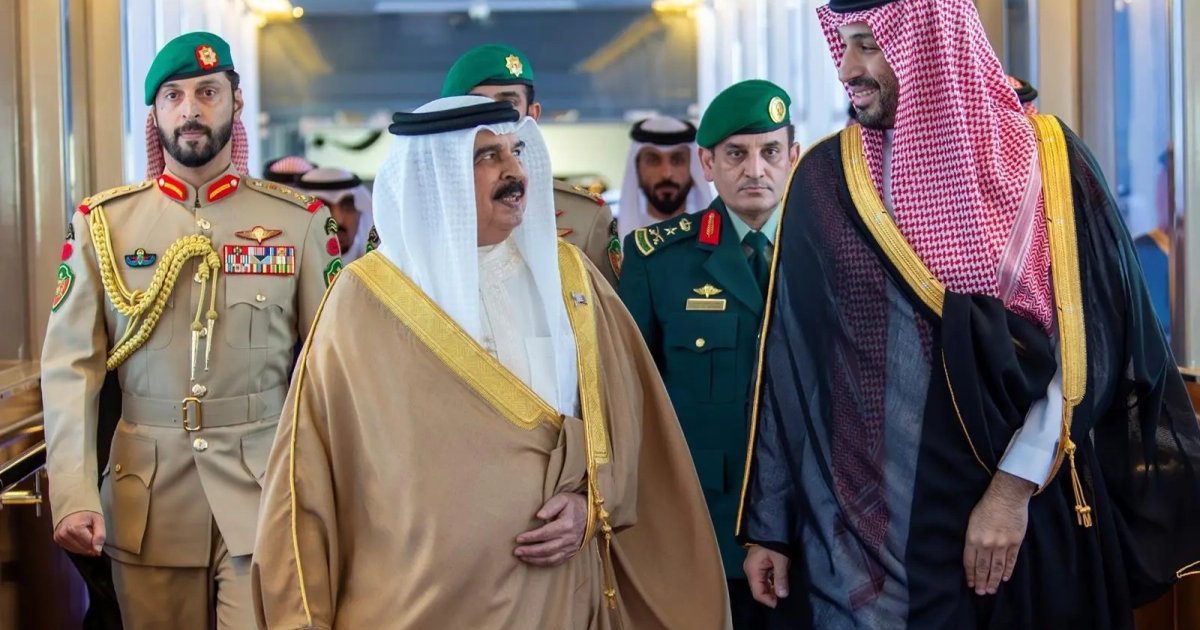
During a consultative summit held in Jeddah on Tuesday, Gulf Cooperation Council leaders emphasized the importance of enhancing military integration, including the deployment of a unified early warning system to counter missile threats. The summit, chaired by Saudi Crown Prince Mohammed bin Salman, was convened at the invitation of King Salman bin Abdulaziz.
The Secretary-General of the Gulf Cooperation Council, Jasem Mohamed Al-Budaiwi, reported that the leaders discussed escalating regional developments, particularly recent Iranian attacks targeting Gulf countries and Jordan, and explored diplomatic avenues to resolve the crisis and enhance long-term security and stability.
Details of the Event
The leaders expressed their strong condemnation of Iranian attacks on civilian and critical infrastructure, considering these actions serious violations of sovereignty, international law, and principles of good neighborliness. They affirmed that these attacks have undermined trust in Iran, urging Tehran to take concrete steps to restore confidence.
The Council leaders also reiterated the right of member states to defend themselves individually and collectively under Article 51 of the United Nations Charter, emphasizing that the security of Gulf states is indivisible, and any attack on one member state is considered an attack on all. They praised the efficiency and professionalism of the armed forces of the member states in responding to missile and drone attacks.
Background & Context
Historically, the Gulf region has witnessed increasing tensions due to regional conflicts and political disputes, particularly with the rise of Iranian activities in the area. The Strait of Hormuz, regarded as one of the world's most critical waterways, is frequently threatened by Iran, raising concerns about global energy security.
This summit comes at a sensitive time as Gulf states seek to enhance military cooperation to address growing security challenges. These steps may represent part of a broader strategy to bolster regional security and stability.
Impact & Consequences
These decisions could enhance military cooperation among Gulf states, potentially altering the balance of power in the region. The establishment of a unified early warning system may help reduce risks arising from missile threats and strengthen the countries' ability to respond quickly and effectively.
Furthermore, enhancing cooperation in areas such as transportation and energy could contribute to improving regional infrastructure, benefiting the Gulf economy as a whole. However, any escalation of tensions with Iran could have negative repercussions on regional security.
Regional Significance
These developments are significant for the Arab region as a whole, as any threat to security in the Gulf affects stability in other Arab countries. Strengthening cooperation among Gulf states may encourage greater stability in the region and enhance the ability of Arab nations to face common challenges.
In conclusion, security challenges in the Gulf region remain persistent, but efforts to enhance military cooperation may represent a positive step toward achieving security and stability in the area.