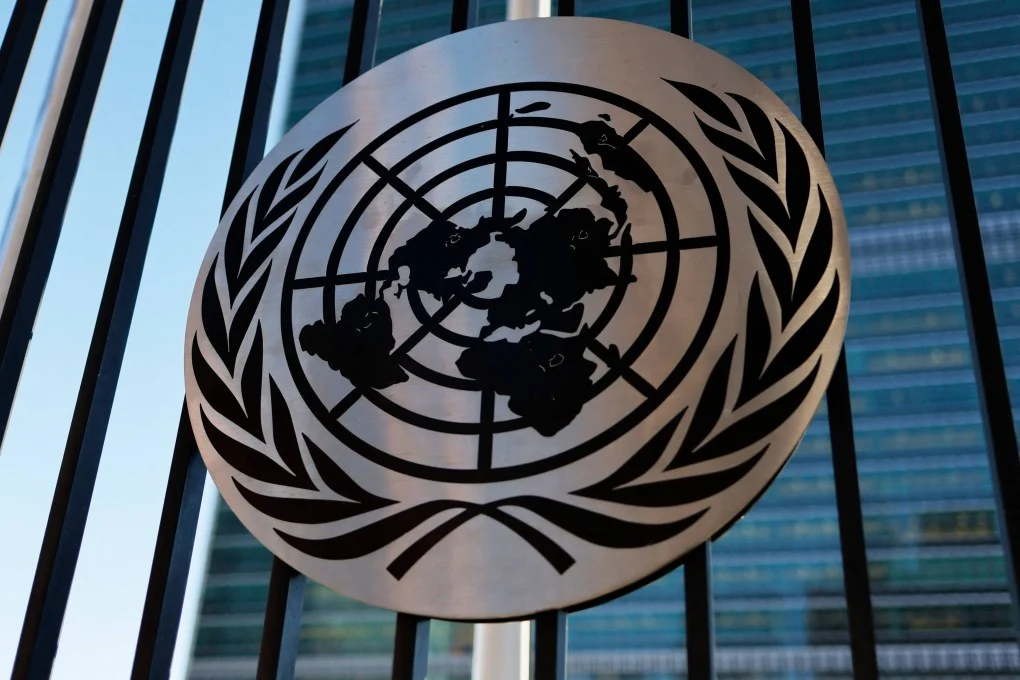
The United States has announced new conditions for the release of billions of dollars owed to the United Nations, which include reducing expenses and curbing China's influence within the international organization. These conditions were communicated through two diplomatic notes, calling for nine rapid reforms as a prerequisite for the release of additional funds.
The proposed reforms include restructuring the UN pension system, as well as measures aimed at enhancing efficiency and reducing costs. This step comes at a time when concerns are growing over China's increasing influence on international activities, prompting the United States to adopt a more cautious stance towards international funding.
Details of the Conditions
According to the report, the conditions set by the United States include improving transparency in financial management and enhancing accountability within the organization. Washington is also seeking to emphasize the importance of tangible reforms before agreeing to pay its financial dues.
This move is part of the United States' efforts to confront the challenges posed by China, which is considered one of the largest economic and political powers in the world. The United States believes that strengthening its influence in the UN requires effective actions to counter Chinese impact.
Background & Context
Historically, the United States has been one of the largest contributors to the UN budget, contributing about 22% of the general budget. However, the increasing Chinese influence in recent years has raised concerns in Washington, prompting it to reevaluate its strategy towards the international organization.
Impact & Consequences
This step indicates a significant shift in American policy towards the United Nations, as it may lead to a reduction in the organization's role in certain global issues. Additionally, these conditions could affect the UN's ability to implement its programs and projects, which may negatively impact developing countries that rely on international support.
Regional Significance
The implications of this policy are particularly relevant for Arab countries, as they often depend on UN programs for development and humanitarian assistance. The potential reduction in UN effectiveness could hinder progress in critical areas such as health, education, and infrastructure in these nations.
In conclusion, the new conditions imposed by the United States reflect a broader strategy to reshape international relations and ensure that its interests are prioritized within global governance frameworks. The outcome of this policy will be closely monitored by member states and could lead to significant changes in how the UN operates.