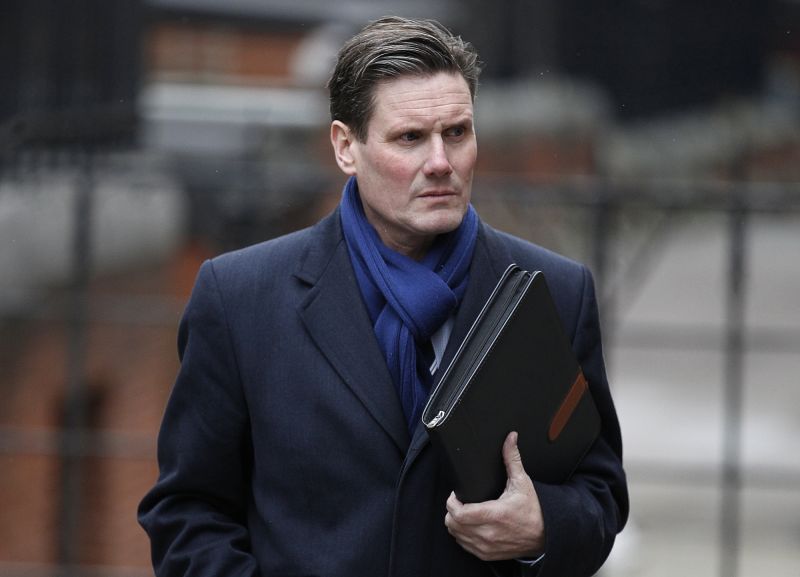
UK Labour Party leader Sir Keir Starmer has successfully avoided referral to a parliamentary committee for investigation regarding his statements about the appointment of Lord Mandelson as Ambassador to the United States. Although he won the vote with a clear majority, this success is not without political challenges that may affect his future.
The majority of MPs voted against the idea of referring Starmer for investigation, reflecting support from some Labour Party members. However, there were notable moves from the government, including communications from government ministers and the return of Scottish MPs from their election campaigns to bolster support, indicating the government's inability to rely on the loyalty of its MPs automatically.
Details of the Situation
In this tense political atmosphere, Starmer demonstrated an ability to maintain party cohesion, as some MPs highlighted the importance of scrutinizing the appointment process of Mandelson and rejected the notion of needing another inquiry. Nonetheless, some MPs criticized the government for attempting to secure support from MPs through pressure tactics, leading to accusations of undermining the democratic process.
Ultimately, 14 Labour MPs voted against the government, indicating a division within the party. Some of these MPs are known for their previous criticisms of the Prime Minister, reflecting a growing sense of discontent within the party.
Background & Context
Historically, the UK Parliament has witnessed numerous critical moments that have had significant impacts on the future of governments. The Mandelson issue is not new, as there have been previous debates surrounding his appointment, highlighting ongoing tensions between political parties. This matter arises at a sensitive time as the country prepares for important local elections, intensifying competition among parties.
The appointment of Mandelson as Ambassador to the United States has sparked widespread controversy, with some viewing it as a strategic move while others see it as evidence of nepotism. This debate reflects the ongoing struggles within British politics.
Impact & Consequences
An analysis of the current situation suggests that while Starmer may have avoided an immediate crisis, the recurring discussions about Mandelson's appointment pose a risk of losing more authority among his party's MPs. This situation could affect the stability of the government and its ability to implement policies in the future.
As the government seeks to strengthen its position, this issue may distract it from more pressing concerns that matter to voters, such as the economy and healthcare. This could lead to a decline in public trust in the government and enhance the opposition's chances in the upcoming elections.
Regional Significance
The unfolding events highlight the political tensions in the UK and their implications for the government's future, reflecting a state of political instability. The Labour Party's internal divisions and the government's maneuvering indicate a complex political landscape that could shape upcoming electoral outcomes.
As the situation develops, it remains crucial for both the Labour Party and the government to navigate these challenges carefully to maintain their positions and address the concerns of their constituents.