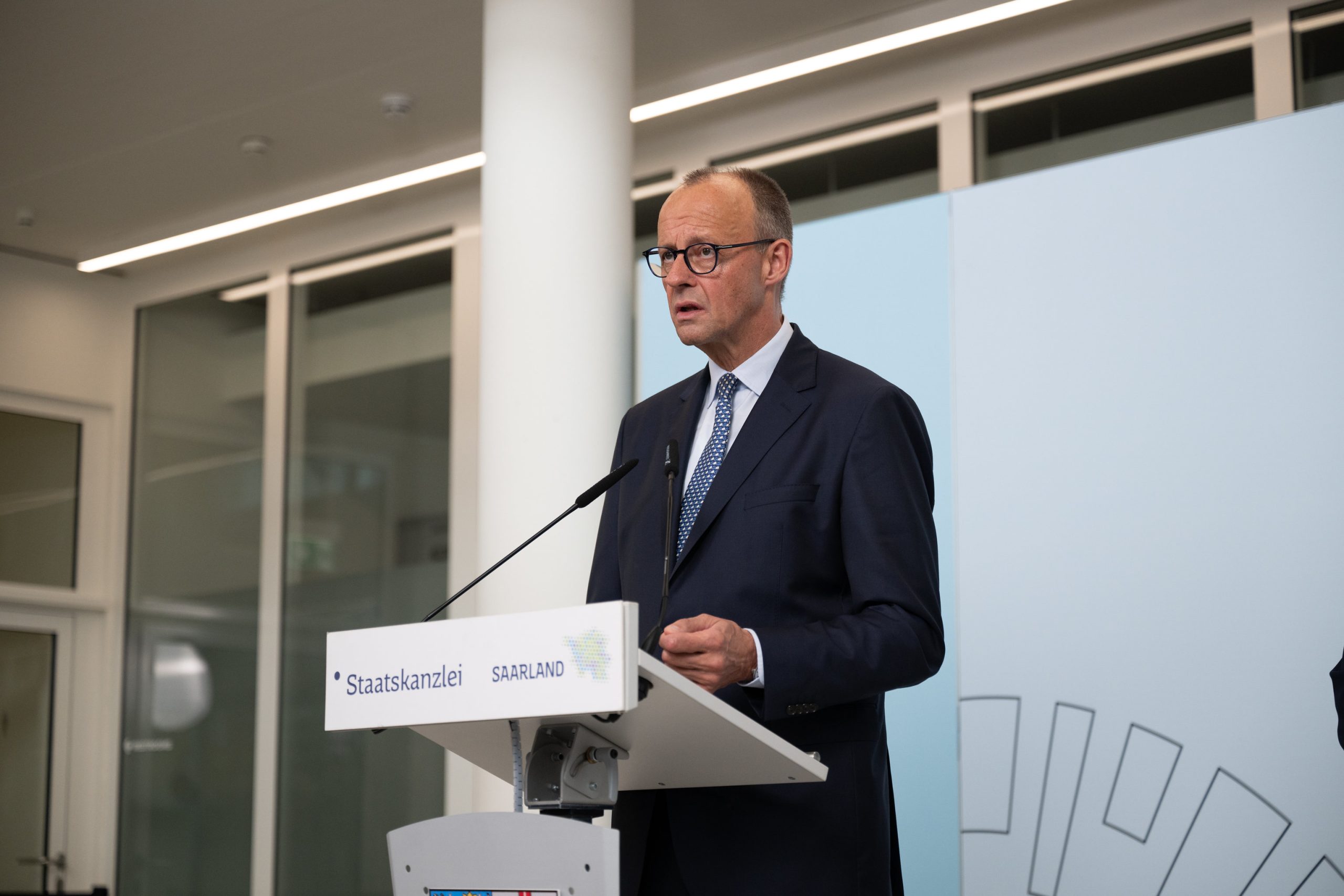
The calls from right-wing and far-right parties in Europe to ease laws and regulations are increasing, reflecting a shift in the European political landscape. In Berlin, Chancellor Friedrich Merz, representing the Christian Democratic Union, is taking an aggressive stance in this direction, raising questions about the future of European legislation.
These calls come at a sensitive time, as many European leaders seek to strengthen laws to protect the environment and workers' rights. However, the far-right appears to view these laws as obstacles to economic growth, prompting demands for their repeal or relaxation.
Details of the Situation
In recent weeks, several European countries have witnessed protests and political events calling for the easing of laws. Merz has pointed out that these laws hinder innovation and increase burdens on companies. He has also called for a reassessment of certain legislations that he considers ineffective.
These calls focus on areas such as financial market regulation, labor laws, and environmental legislation. Right-wing leaders believe that easing these laws will contribute to boosting economic growth and increasing investments.
Background & Context
Historically, Europe has undergone significant transformations in economic and social policies. Following the global financial crisis in 2008, many governments moved towards imposing stricter laws to protect the economy. However, right-wing parties have begun to exploit these crises to bolster their positions, leading to their rise in several countries.
In recent years, countries such as Germany and France have seen a growing appeal for right-wing parties, contributing to a shift in the political landscape. These transformations coincide with increasing concerns about immigration and climate change, complicating matters further.
Impact & Consequences
If these calls continue to gain momentum, they could lead to radical changes in European policies. Such changes could affect workers' rights, environmental protection, and economic stability. They may also increase tensions among EU member states.
Moreover, these shifts could exacerbate divisions within European societies, as some feel their rights and interests are threatened. At the same time, European leaders may face new challenges in trying to balance economic growth with maintaining social and environmental values.
Regional Significance
The developments are significant as they may greatly impact laws and regulations that protect workers' rights and the environment in Europe. The potential for a shift towards more lenient legislation raises concerns about the future of social justice and environmental sustainability.
In conclusion, the ongoing dialogue surrounding the easing of laws by right-wing parties reflects broader tensions in European society, where economic priorities may clash with social responsibilities.