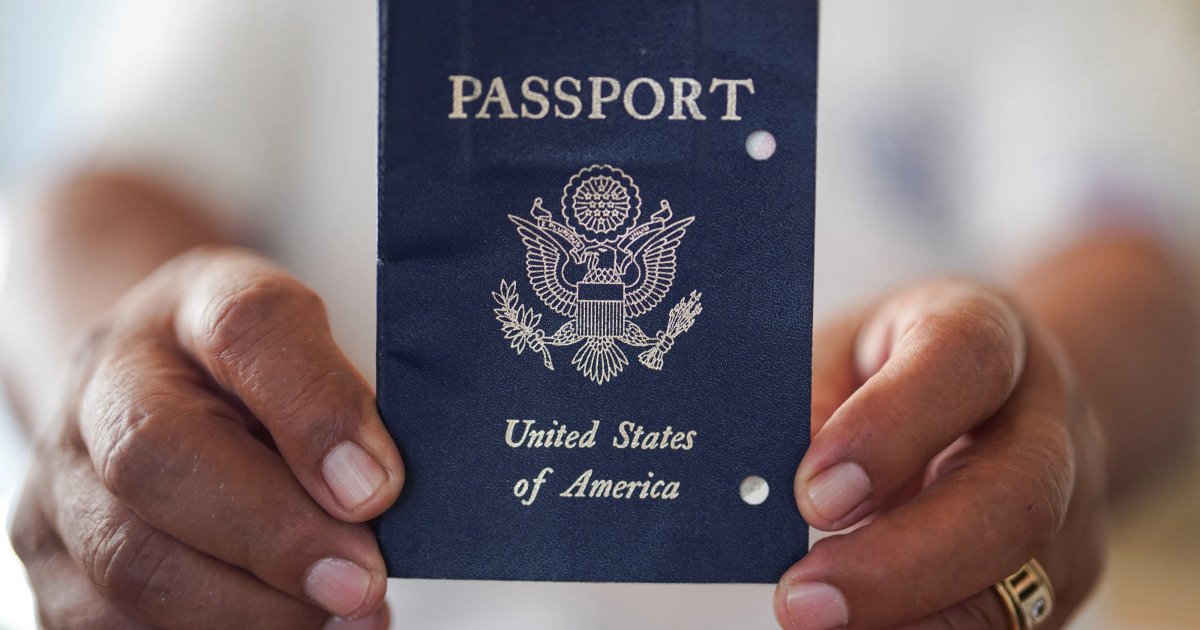
The U.S. Department of State has announced a new decision to include President Donald Trump's image and signature on national passports. This initiative is part of the government's efforts to enhance the president's symbolism in official documents, reflecting current political and administrative trends.
This move is seen as part of a series of measures aimed at promoting President Trump's image across various aspects of American life, including national symbols. It is believed that this decision will influence how citizens and residents of the United States perceive passports as symbols of national identity.
Details of the Decision
The decision by the U.S. Department of State comes at a sensitive time, as President Trump seeks to bolster his public image amid political challenges. The inclusion of his image and signature on passports reflects the administration's desire to strengthen the connection between national identity and the presidency.
The new passports will also feature advanced security elements, making them more difficult to forge. This approach is part of ongoing efforts to enhance security in official documents, aligning with global trends in this area.
Background & Context
Historically, U.S. passports have featured national symbols such as the American eagle, but the inclusion of the president's image is considered an unconventional step. The United States has undergone significant changes in how national symbols are presented, reflecting not just identity but also political and social values.
Impact & Consequences
This decision could have far-reaching implications for how citizens perceive passports as symbols of national identity. The inclusion of the president's image may enhance a sense of belonging among some citizens, while it could also provoke criticism from others who believe this approach conflates national identity with politics.
Furthermore, this decision may impact international relations, as passports are viewed as documents that reflect a nation's identity. The inclusion of the president's image might be seen as a move that strengthens the United States' position on the international stage, but it could also provoke negative reactions from some countries.
Regional Significance
The implications of this decision extend beyond domestic perceptions. It may influence how the United States is viewed abroad, particularly in diplomatic contexts. The passport, now featuring the president's image, could serve as a tool for reinforcing national pride but may also lead to diplomatic challenges with nations that view this as an overtly political statement.
In conclusion, the inclusion of President Trump's image on U.S. passports marks a significant shift in how national identity is represented. As this decision unfolds, it will be crucial to observe its effects on both domestic sentiment and international relations.