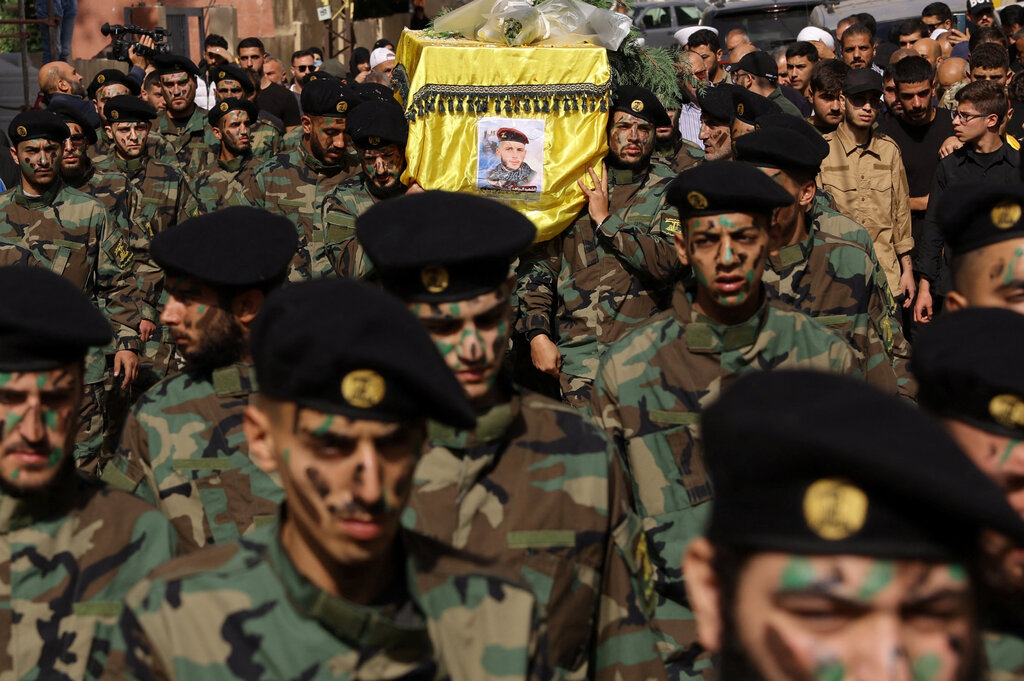
The resistance in Gaza has made a clear political and media statement, affirming its support for the Islamic Republic of Iran and Hezbollah in their confrontation with US-Israeli aggression. This announcement reflects the strategic direction of the resistance in Gaza, which prefers to focus on moral support rather than engaging in direct military confrontations.
Amid escalating regional tensions, the significance of this stance emerges as part of a broader strategy for the resistance, which seeks to enhance solidarity with its allies in facing common challenges. This announcement comes at a critical moment, as pressures on Iran and Hezbollah from the United States and its allies are increasing.
Details of the Announcement
The position taken by the resistance in Gaza is framed as support for Iranian efforts and Hezbollah in countering the growing aggression. This stance was communicated through official statements and media remarks, emphasizing the importance of unity among resistance forces in the region.
Moreover, the challenges faced by these forces under military and political pressures were highlighted. This support serves as a clear message from Gaza to hostile forces that the resistance will not abandon its allies in difficult times.
Background & Context
Historically, the region has witnessed numerous conflicts that brought together resistance forces from Palestine, Lebanon, and Iran. These historical ties strengthen the position of the resistance in Gaza, as Iran and Hezbollah are considered among the foremost supporters of the Palestinian cause.
Recent events, including military escalations in the region, have contributed to the strengthening of this alliance. Both Iran and Hezbollah are striving to confront the challenges posed by US policies in the region, making Gaza's support for them crucial.
Impact & Consequences
The stance of the resistance in Gaza may contribute to strengthening the ties among resistance forces in the region, potentially leading to the formation of a united front against external aggression. This could alter the dynamics of conflict in the area and increase tensions among the conflicting powers.
This support may likely lead to an escalation of military confrontations, as hostile forces may seek a strong reaction to this position. Additionally, this situation could impact relations between Arab states and Iran, potentially increasing the divide between supporters and opponents of this alliance.
Regional Significance
This position from Gaza serves as a call for Arab solidarity, highlighting the importance of unity in facing common challenges. This may affect the internal policies of Arab states, as they may find themselves compelled to define their stance regarding these alliances.
Furthermore, the potential escalation could impact regional security, necessitating greater international attention. Under these circumstances, it becomes essential for Arab states to adopt clear policies towards these alliances to ensure regional stability.
In conclusion, the stance of the resistance in Gaza reflects the challenges facing the region and underscores the importance of solidarity among resistance forces. Given the current circumstances, the question remains open regarding how this position will influence the future of the conflict in the region.