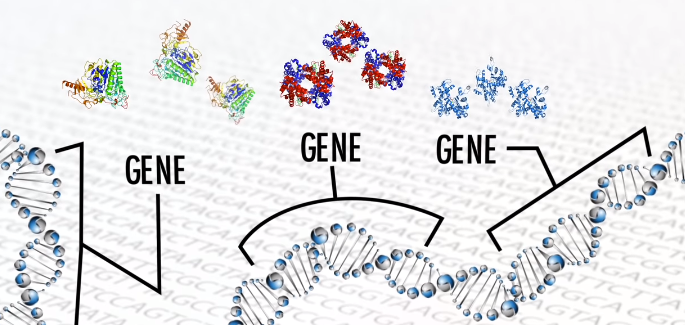
Recent medical research has announced the successful application of gene therapy for sickle cell anemia, representing a beacon of hope for patients. This achievement opens new horizons in the treatment of genetic disorders.
Sickle cell anemia is a genetic condition that affects the shape of red blood cells, leading to multiple health issues, including chronic pain, infections, and serious complications. The gene therapy applied relies on modifying the genes responsible for producing hemoglobin, significantly improving patients' conditions.
Details of the Event
Clinical trials were conducted on a group of patients suffering from sickle cell anemia, utilizing a gene-editing technique known as CRISPR. Initial results showed a significant improvement in hemoglobin levels, leading to a reduction in symptoms associated with the disease. Participating doctors in the study indicated that this treatment could represent a revolution in the way sickle cell anemia is treated, potentially providing a permanent solution instead of traditional therapies that rely on blood transfusions or ongoing medications.
Gene therapy involves a complex process that includes extracting stem cells from the patient, modifying them in the laboratory, and then reintroducing them into the body. This process ensures that the modified cells will produce normal hemoglobin, significantly reducing symptoms.
Background & Context
Sickle cell anemia is a hereditary disease common in certain regions of the world, particularly in Africa and the Middle East. This disease is considered a chronic condition that affects the lives of millions, as patients suffer from severe pain crises and serious health complications. Over the past years, several methods have been developed to treat this disease, but most have relied on traditional treatments that were not fully effective.
Gene therapy represents a qualitative leap in this field, allowing patients the opportunity for complete healing. Previous research in this area has shown promising results, but this recent achievement marks a significant step towards achieving tangible outcomes.
Impact & Consequences
The success of gene therapy for sickle cell anemia could open doors for the development of new treatments for other genetic diseases. This achievement may encourage further research in the field of gene editing, potentially leading to new discoveries in modern medicine. Doctors and researchers hope that this technique will be widely applicable, facilitating access to treatment for more patients around the world.
Moreover, the success of this treatment could lead to a reduction in healthcare costs associated with patients suffering from sickle cell anemia, alleviating the burden on healthcare systems in countries affected by the prevalence of this disease.
Regional Significance
In the Arab region, sickle cell anemia is one of the common diseases, especially in countries like Egypt and Sudan. The success of gene therapy could have a significant impact on the lives of many patients in these countries, providing them with the opportunity to live a normal and healthy life. Additionally, this achievement may encourage governments to invest in medical research and develop new treatments for other diseases.
In conclusion, the success of gene therapy for sickle cell anemia represents an important step towards improving the lives of patients. This achievement is not only a sign of scientific progress but also a source of hope for many families affected by the impacts of this disease. As research continues, we may witness further developments that could change the future of medicine.