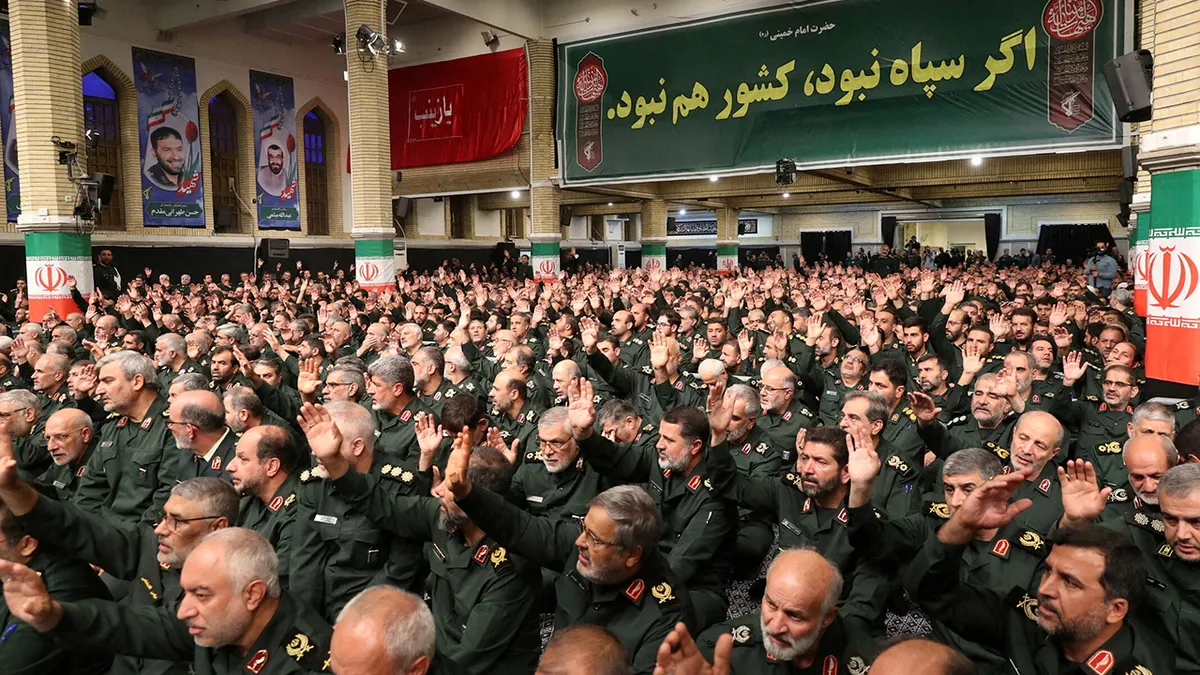
The Iranian Revolutionary Guard has reported the death of General Jamshid Isaqi, one of its senior military leaders, in an armed attack targeting his home in the capital, Tehran. The incident occurred late last night when the house was hit by multiple gunshots, resulting in Isaqi's immediate death.
General Isaqi is recognized as a prominent figure within the Revolutionary Guard, having held several leadership positions in the Iranian armed forces. He was known for his involvement in numerous military and security operations both inside and outside of Iran, making him a potential target for various hostile entities.
Details of the Incident
The attack on Isaqi comes amid escalating security tensions in Iran, where the country is experiencing increasing protests against the government, alongside heightened military activities in the region. The Revolutionary Guard has not provided precise details regarding the identity of the attackers or their motives, raising questions about the security and political implications of this attack.
It is worth noting that the Iranian Revolutionary Guard is the main military force in the country and is considered an essential part of the Iranian regime. Its leadership has faced several attacks in recent years, reflecting the security challenges Iran faces under current conditions.
Background & Context
Historically, Iran has witnessed numerous attacks against prominent military and political figures, particularly amid ongoing tensions with the United States and other countries in the region. These attacks are often linked to regional conflicts, where various entities seek to achieve their strategic objectives.
In recent years, tensions between Iran and the United States have intensified, especially following the latter's withdrawal from the nuclear agreement and the re-imposition of sanctions. These circumstances may have contributed to the escalation of attacks against Iranian military figures, as opponents aim to weaken the regime by targeting its leadership.
Impact & Consequences
The killing of General Isaqi could lead to heightened security tensions in Iran, as the Revolutionary Guard is expected to take retaliatory actions against the attackers. This incident may also affect internal stability, potentially increasing tensions between the government and the opposition.
Additionally, this attack could reflect on Iran's foreign policy, as the government might use this incident to bolster its stance against external enemies, which could lead to escalating tensions in the region.
Regional Significance
Iran is a key player in regional politics, and any escalation in its internal security situation could impact neighboring countries. Arab nations, especially those with strained relations with Iran, may be on high alert to monitor security developments in Tehran.
Any escalation in military operations or attacks against Iranian military figures could provoke reactions from Iran, potentially increasing tensions in the region and affecting regional stability.
In conclusion, the killing of General Jamshid Isaqi represents a significant event in the Iranian security context, reflecting the ongoing challenges the country faces. It is crucial to monitor upcoming developments to understand the security and political dimensions of this incident.