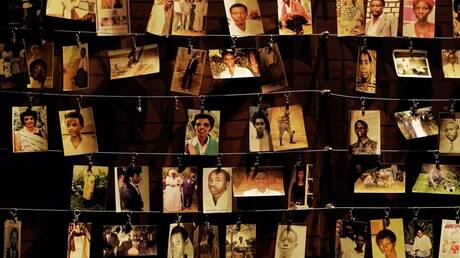
The genocide in Rwanda unfolded as Hutu extremists carried out systematic killings with the backing of the army and police, leading to the deaths of around 800,000 individuals, primarily Tutsis and moderate Hutus, during 100 days of brutality.
This tragic event is regarded as one of the worst humanitarian atrocities in modern history, where primitive weapons like machetes were used alongside mass killings across various locations in the country. Reports indicated that this genocide was directly supported by the Rwandan government at the time, complicating the humanitarian situation further.
Details of the Event
The genocide began in April 1994, following the assassination of Rwandan President Juvénal Habyarimana. This incident triggered a wave of violence primarily targeting the Tutsi minority, who had been living in the country for centuries. The killings were systematically organized, with Hutu militias formed to carry out these atrocities.
These crimes persisted for 100 days, with thousands being killed daily amidst a complete international silence. Humanitarian organizations documented many of these crimes, yet no effective action was taken by the international community to halt the violence.
Background & Context
The roots of the conflict in Rwanda trace back to historical tensions between the Hutu and Tutsi populations, with Tutsis historically forming the ruling elite. Over time, these tensions escalated, culminating in the outbreak of conflict in the 1990s. Previous attempts to reach peace agreements had failed to achieve the necessary stability.
In the years leading up to the genocide, Rwanda witnessed a rise in hate speech against Tutsis, contributing to an environment conducive to violence. Media outlets played a significant role in disseminating these ideas, exacerbating tensions between the two groups.
Impact & Consequences
The genocide had devastating effects on Rwandan society, with entire families lost, women subjected to sexual violence, and children left orphaned. These events also led to mass displacement, with millions fleeing to neighboring countries.
On the international stage, the Rwandan genocide sparked widespread criticism of the global community, which was accused of failing to intervene. These atrocities prompted changes in how the United Nations addresses humanitarian crises in the future, leading to the establishment of new rapid intervention mechanisms.
Regional Significance
The events of the Rwandan genocide serve as an important lesson for Arab nations, highlighting the need to combat hate speech and extremism. They remind us of the necessity to promote dialogue among different cultures to prevent the recurrence of such atrocities.
Furthermore, humanitarian crises in any part of the world impact regional stability, necessitating greater engagement from Arab countries in global humanitarian issues.
The Rwandan genocide remains a pivotal moment in human history, reminding us of the fragility of peace and the ongoing need to promote human rights and prevent the repetition of such atrocities in the future.