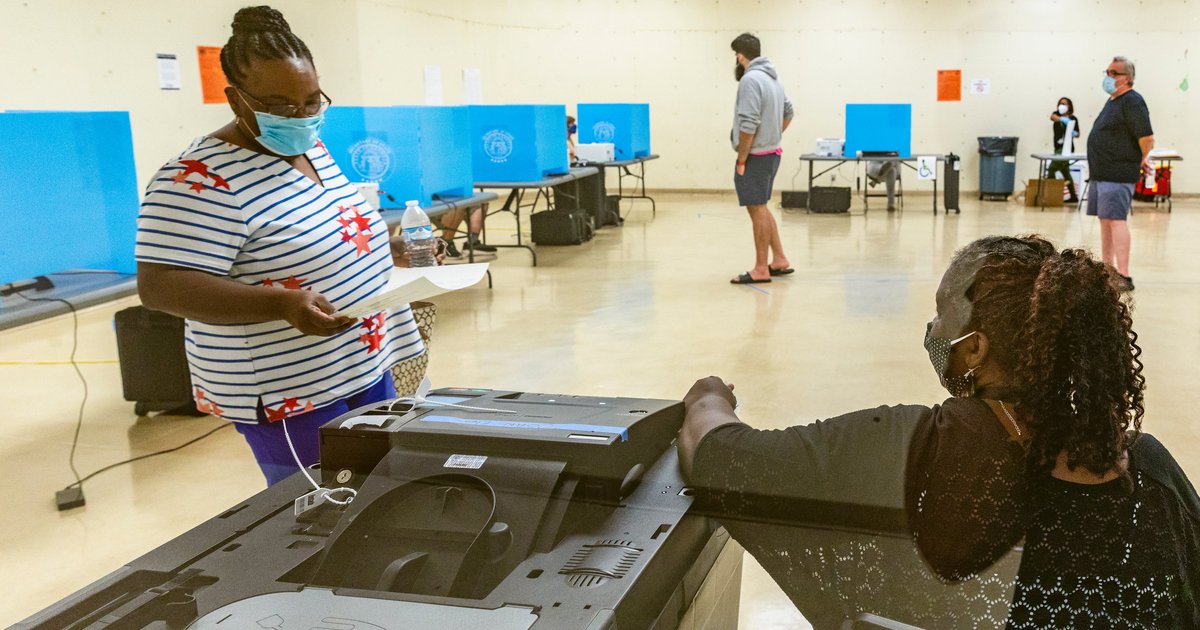
The Georgian Parliament concluded its annual session without resolving the ongoing dispute over voting machines, raising fears about the integrity of the upcoming elections. This dispute, which has lasted for several months, reflects the deep political divisions within the country, where opinions vary on how to improve the voting system.
Despite increasing pressure from certain political factions and civil society, lawmakers were unable to agree on any amendments or reforms related to voting machines, leaving the situation unchanged. This issue raises concerns among voters, who fear that instability in the voting system may affect the results of the upcoming elections.
Details of the Event
Voting machines are a sensitive topic in Georgia, where the country has faced numerous allegations of election manipulation in recent years. Concerns have been raised about the safety and security of these machines, prompting some political parties to call for radical changes. However, the failure to reach an agreement during the current session reflects the political instability the country is experiencing.
During parliamentary sessions, several proposals were made regarding updating voting machines or even reverting to a manual voting system, but all were met with rejection. This failure to reach an agreement highlights the sharp divisions between political parties, each accusing the other of attempting to undermine the democratic process.
Background & Context
Historically, Georgia has experienced numerous political crises related to elections. Since gaining independence from the Soviet Union in 1991, elections in Georgia have been surrounded by controversy and allegations of fraud. In recent years, these concerns have increased with the growing use of technology in the electoral process, leading some voters to feel insecure about election outcomes.
In 2020, Georgia witnessed a controversial parliamentary election, where the opposition accused the government of manipulating results. Since then, the issue of voting machines has become a major focal point in political discussions, as many activists seek to improve transparency and credibility in the electoral process.
Impact & Consequences
The failure to resolve the issue of voting machines could exacerbate political crises in Georgia, with the possibility of renewed protests and demonstrations from the opposition and civil society. This situation may negatively impact the political and economic stability of the country, potentially affecting Georgia's international relations.
Moreover, the lack of trust in the electoral system could lead to a decrease in voter turnout, threatening the legitimacy of the upcoming government. Under these circumstances, the government may find itself in a difficult position, needing to take serious steps to regain voter confidence.
Regional Significance
Georgia's experience in dealing with electoral disputes serves as an important lesson for many Arab countries facing similar challenges. Amid the political transformations witnessed in some Arab nations, it has become essential to enhance transparency and credibility in electoral processes to ensure political stability.
Furthermore, the events in Georgia may inspire activists in Arab countries to continue pressing for genuine electoral reforms, thereby enhancing the prospects for achieving democracy in the region.
The failure to reach a resolution regarding voting machines in Georgia highlights the significant challenges the country faces in its pursuit of democracy. As pressures on the government increase, hope remains pinned on the Parliament's ability to overcome this crisis and implement genuine reforms before the upcoming elections.