In strong statements, German Defense Minister Boris Pistorius described the ongoing war in Iran as an "economic catastrophe" that threatens the stability of the global economy. This came during his visit to Australia, where he emphasized that Germany was not consulted before the conflict began, reflecting growing concerns about the war's impact on the global economy.
Pistorius, who is touring the Pacific region, noted that Germany does not wish to be drawn into this conflict, adding that his country is ready to assist in securing peace when it is achieved. He called for an urgent ceasefire, reflecting Germany's desire to avoid military escalation.
Details of the Current Situation
These statements come at a time when tensions are rising in the Middle East, where economic and political interests are intertwined. The war in Iran, which began weeks ago, has exacerbated economic conditions in many countries, prompting several governments to take precautionary measures, such as banning visitors from Iran.
For instance, Australia has imposed a temporary ban on Iranian visitors, citing increasing risks that Iranians may be unable to leave the country due to the war. This decision reflects the growing international concern regarding the conflict's implications for regional and international security.
Background & Context
Historically, Iran has witnessed numerous internal and external conflicts, but the current war is considered one of the most complex crises. Since 2022, Iran has begun exchanging military technology with Russia, complicating the situation further. Reports indicate that Russia is supplying Iran with drones, enhancing Iran's military capabilities in the region.
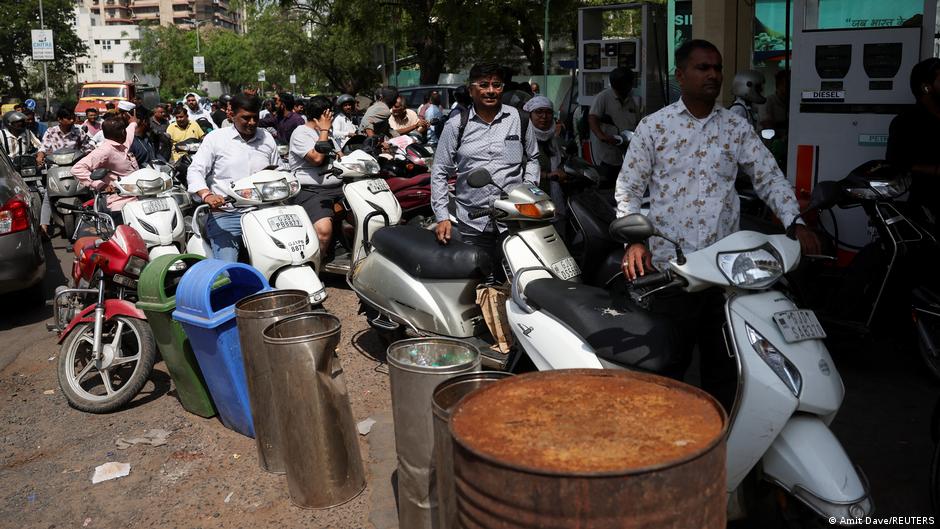
At the same time, fears are increasing that this war could lead to greater escalation in the conflict between major powers, as American, Russian, and Iranian interests intersect in the region. This situation places the global economy in a precarious position, with energy prices and transportation costs rising significantly.
Impact & Consequences
The economic repercussions of the war in Iran could be far-reaching. The rise in oil and gas prices due to the conflict may adversely affect the economies of energy-importing countries, leading to increased inflation and negative impacts on economic growth. Additionally, the war could exacerbate humanitarian crises in the region, increasing the number of refugees and displaced persons.
Moreover, this war may affect trade relations between countries, as some nations are moving towards imposing economic sanctions on Iran, further complicating the global economic situation. These dynamics could lead to changes in political and economic alliances in the region.
Regional Significance
For Arab countries, the war in Iran represents a significant challenge. Many Arab nations rely on regional stability to achieve economic growth. Any escalation in the conflict could impact security and stability in neighboring countries, raising fears of conflict spillover.
Furthermore, the increase in oil prices due to the conflict may have both positive and negative effects on oil-producing Arab nations. While some countries may benefit from rising prices, importing nations may face greater economic challenges.
In conclusion, the statements made by the German Defense Minister reflect the precarious situation the world faces due to the war in Iran. It is crucial that international efforts are combined to achieve peace and stability in the region before conditions worsen further.