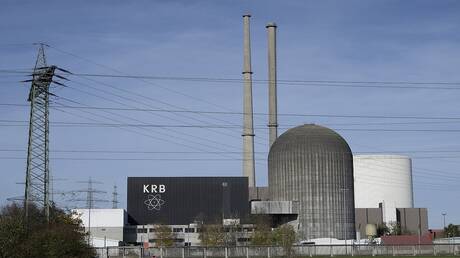
A prominent member of the opposition party, Alternative for Germany, has suggested that Berlin may revert to using nuclear energy in the coming years. He explained that this consideration arises from the absence of effective alternative options for reducing carbon emissions, compelling the government to take serious steps to avoid overwhelming society and the economy.
These statements come at a time when pressure is mounting on the German government to reduce greenhouse gas emissions, especially following its commitments under the Paris Climate Agreement. As concerns over the impacts of climate change grow, it appears that the options available to Berlin are narrowing.
Details of the Event
During his remarks, the deputy noted that nuclear energy could be the optimal solution to meet the country's energy needs without negatively impacting the environment. Germany had closed many nuclear power plants in recent years as part of its policy shift towards renewable energy sources. However, with the increasing demand for energy, the government may have to reassess this policy.
This potential shift comes in the context of the successive economic crises the country has faced, which have heightened the need for stable energy supplies. Additionally, a move towards nuclear energy could help reduce reliance on fossil fuels, which are one of the largest sources of carbon emissions.
Background & Context
Over the past few years, Germany has been a leader in renewable energy, investing heavily in solar and wind energy. However, the challenges the country has encountered, including rising energy prices and economic pressures stemming from global crises, have prompted it to reconsider its energy strategy.
Historically, nuclear energy has been part of Germany's energy mix, but it became a controversial topic following the Fukushima incident in Japan in 2011. Since then, the German government has taken drastic steps towards shutting down nuclear power plants, raising concerns about energy sustainability in the future.
Impact & Consequences
If nuclear energy is revived, it could have significant implications for energy policy in Germany and Europe as a whole. This may lead to a shift in strategies among other countries that rely on renewable energy, as they reassess their energy options.
Moreover, this decision could affect economic relations between Germany and other countries, especially those that depend on energy exports. The return to nuclear energy may also provoke mixed reactions from civil society, which may express concerns about nuclear safety.
Regional Significance
For the Arab region, Germany's return to nuclear energy could open the door for new discussions about the use of nuclear energy in Arab countries. Many Arab nations, such as the United Arab Emirates, have already begun exploring nuclear energy as an option to meet their energy needs.
These developments could influence energy investments in the region, as Arab countries may seek to benefit from European experiences in this field. Additionally, shifts in energy policies could affect global energy prices, impacting the economies of Arab nations that rely on oil and gas exports.
In conclusion, Germany appears to be facing significant challenges in the energy sector, and returning to nuclear energy may be an unavoidable option. However, this decision carries far-reaching implications, not only for Germany but also for the international arena.