German Defense Minister Boris Pistorius announced on Saturday plans to deploy German naval units in the Mediterranean as part of preparations for a potential mission in the Strait of Hormuz. The minister explained that this move aims to enhance maritime security in the region, with the deployed units including a mine-clearing ship and a command and supply vessel.
Pistorius confirmed that the objective of this deployment is to be ready for rapid intervention if a mandate is obtained from the German parliament. Although no specific date for the ships' departure has been set, preparations are underway to ensure their readiness.
Details of the Deployment
This initiative comes at a sensitive time, as the region is experiencing increasing tensions due to ongoing events in Iran. Pistorius noted that expanding the current European Union mission, known as Operation EUNAVFOR MED, could provide a legal framework for this mission. This operation, which has so far focused on countering threats in the Red Sea, may require legal adjustments and participation from the United States and United Kingdom.
The minister added that the German naval forces will contribute to ensuring freedom of navigation and security in the Strait of Hormuz, which is considered one of the most important maritime passages in the world. This announcement comes amid escalating tensions between Iran and the United States, with Tehran controlling the strait since the onset of the conflict that began on February 28.
Background & Context
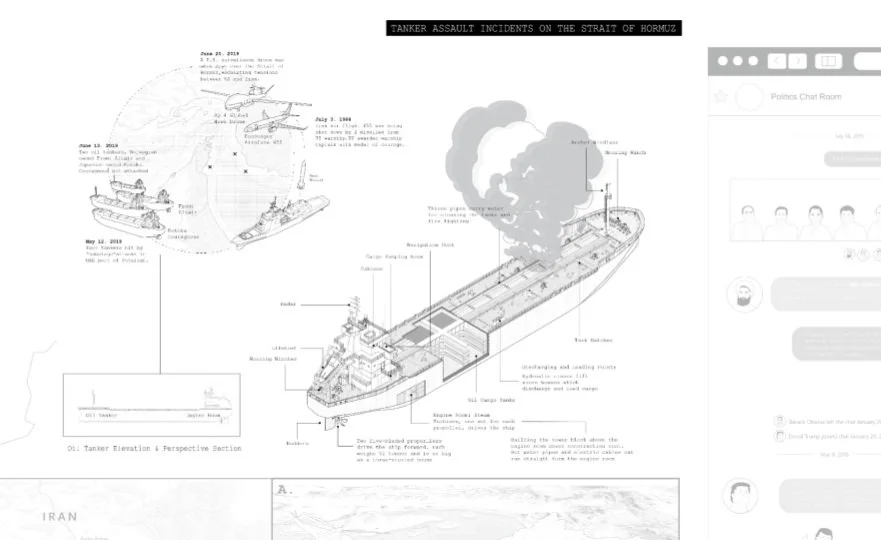
The Strait of Hormuz is a vital transit point for oil and gas, with approximately 20% of the world's total oil passing through it. In recent years, the strait has witnessed numerous maritime incidents, including ship seizures and military operations. These events reflect the region's importance for global security and the economy.
Historically, there have been several attempts by major powers to ensure navigation security in the strait, especially amid tensions between Iran and Western countries. These tensions have contributed to an increased military presence in the region, including from the United States and its allies.
Impact & Consequences
This step by Germany is part of a broader strategy to enhance European military cooperation in addressing security threats. It also reflects Germany's commitment to participating in international missions to ensure maritime security.
This deployment is likely to increase tensions in the region, particularly with potential reactions from Iran. These developments may impact oil prices and global markets, as many countries rely on energy supplies from this area.
Regional Significance
For Arab countries, enhancing security in the Strait of Hormuz is crucial, as many of these nations depend on oil exports through this passage. Any escalation in tensions could directly affect Arab economies and increase security risks in the region.
In conclusion, developments in the Strait of Hormuz remain under scrutiny, as any changes in the security situation could impact regional and international stability. It is important to closely monitor these events to understand their potential implications for the region.