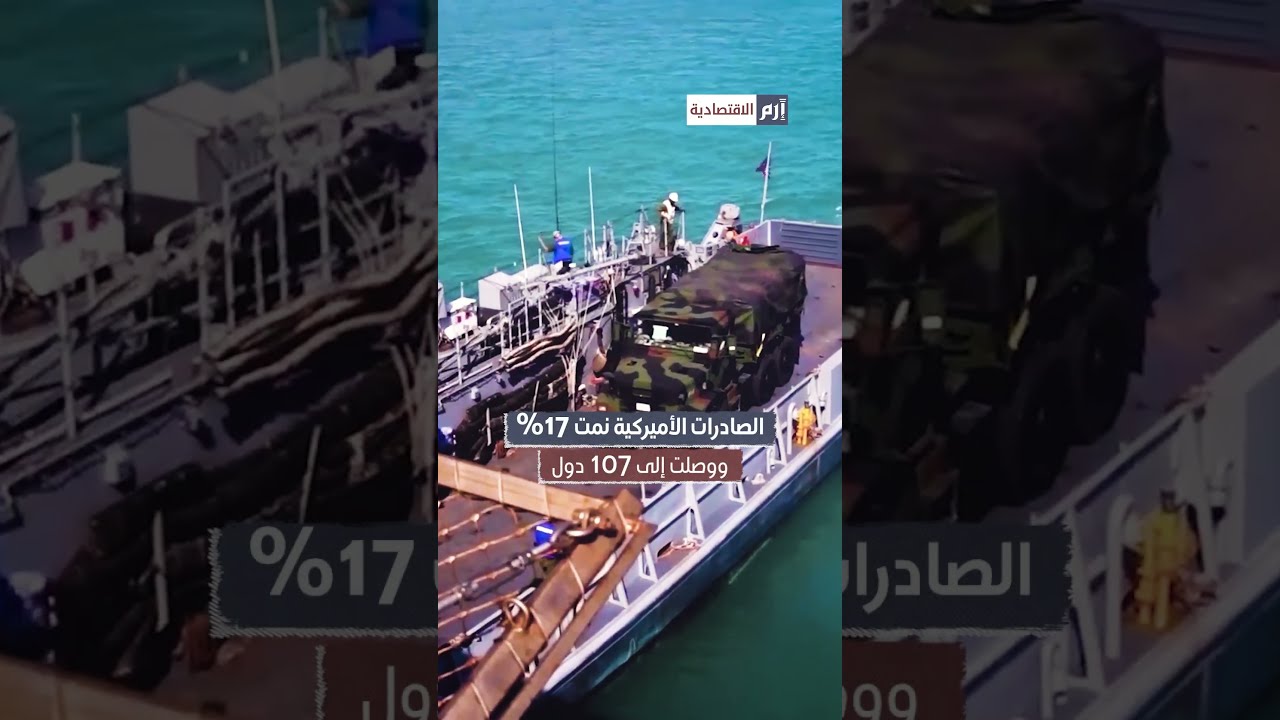
The Stockholm International Peace Research Institute (SIPRI) has reported that Germany has strengthened its status as one of the leading arms exporters globally, ranking fourth among the largest arms-exporting countries over the past five years.
Data indicates that European arms imports have tripled, reflecting an increased demand for weapons across the continent, while imports in the Middle East have decreased by 13%. This decline raises questions about the reasons behind it and its impact on stability in the region.
Details of the Event
Statistics show that Germany has made significant leaps in its military exports, with arms sales rising to various countries, including NATO member states and others. This increase comes amid escalating geopolitical tensions in Europe, prompting many nations to bolster their defense capabilities.
Despite the economic challenges faced by many countries, the demand for arms remains high, reflecting a state of global security uncertainty. Political crises and armed conflicts in certain regions have contributed to the heightened need for weapons.
Background & Context
Historically, Germany has been one of the leading countries in arms manufacturing, but it had followed a cautious policy regarding arms exports after World War II. However, recent political and security changes, including conflicts in Ukraine and the Middle East, have led Germany to reassess its defense policy.
In recent years, Germany has shown a greater commitment to enhancing its military capabilities, resulting in increased arms exports. This policy has strengthened relations with allied countries but has also drawn criticism from some anti-war groups.
Impact & Consequences
The implications of increased German arms exports extend beyond Europe, affecting the military balance in various conflict zones. The rise in arms in Europe could lead to a new arms race, heightening tensions among nations.
Additionally, the decline in Middle Eastern imports may indicate shifts in military strategies within the region, as some countries may seek to enhance their military capabilities through alternative means, such as military cooperation with other nations or developing their domestic defense industries.
Regional Significance
While demand for arms in the Middle East has decreased, the region continues to suffer from ongoing conflicts, raising questions about how these dynamics will affect regional stability. Changes in arms exports could reshape military alliances in the area.
The decline in arms imports may also impact some Arab countries' ability to confront security challenges, potentially paving the way for new strategies for regional and international cooperation in security and defense.
Germany's enhancement of its role as an arms exporter highlights the geopolitical changes in the world and reflects the increasing need for countries to strengthen their defense capabilities amid rising tensions. Simultaneously, the decline in Middle Eastern imports may open the door for a reassessment of military strategies in the region, requiring Arab nations to consider how to navigate these changes.