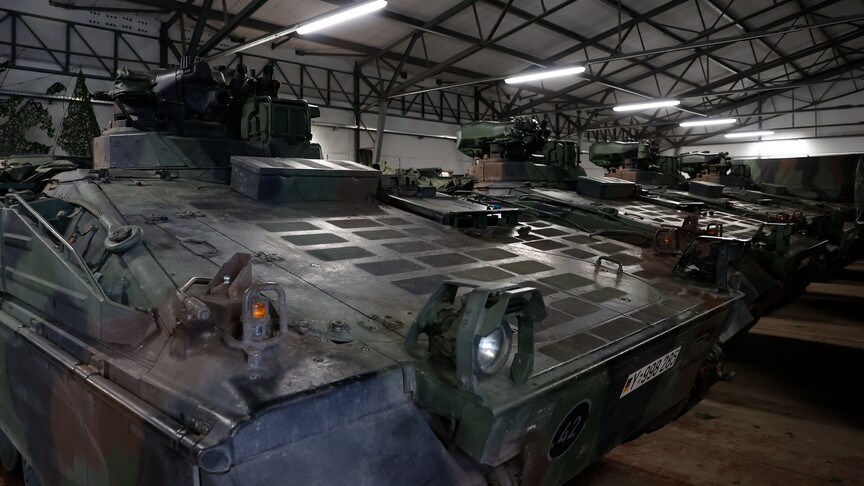
The German government has announced the signing of a massive contract with Rheinmetall, which includes an order for more than 2000 military transport vehicles. This initiative aims to enhance the capabilities of the German army (Bundeswehr) in addressing the increasing security challenges on the European continent.
This contract is part of Germany's efforts to modernize and strengthen its military logistics, as the government seeks to improve military readiness in light of escalating geopolitical tensions, particularly following recent events in Ukraine.
Details of the Contract
The new deal encompasses a diverse range of vehicles that will be utilized for military transport purposes, thereby improving the effectiveness of military operations. The announcement of this contract comes at a critical time, as concerns about security threats in the region are growing, necessitating an enhancement of defensive capabilities.
This move is part of a broader strategy for Germany to bolster its role as a military power in Europe, with the government aiming to increase the defense budget and improve the army's equipment to face future challenges.
Background & Context
Historically, Germany has undergone significant transformations in its defense policy since the end of the Cold War. With rising tensions in Europe, especially after Russia's annexation of Crimea in 2014, the German government began reassessing its defense strategy. This has led to increased military spending and modernization of equipment.
In recent years, there have been growing calls within Germany to enhance military capabilities, reflecting a shift in public opinion regarding the army's role in foreign policy. This deal with Rheinmetall represents a tangible step towards achieving these objectives.
Impact & Consequences
The implications of this contract extend beyond Germany, as it could affect the military balance in Europe. With increased investments in defense, this move may encourage other countries in the region to bolster their military capabilities, thereby heightening tensions.
Moreover, this deal could strengthen Germany's position within NATO, as member states seek to enhance military cooperation to address common threats. These developments are expected to lead to changes in European defense strategies.
Regional Significance
Although this news pertains to Germany, it has potential implications for the Arab region. Amid global geopolitical tensions, an increase in military spending in Europe may impact stability in the Arab region, possibly leading to new arms races.
Furthermore, some Arab countries may seek to enhance their military capabilities in light of these developments, increasing the need for regional and international security cooperation.
In conclusion, this contract with Rheinmetall marks an important step for Germany in strengthening its military capabilities and reflects significant changes in European defense policy. Given the increasing challenges, the question remains how these moves will affect security and stability in the region and the world.