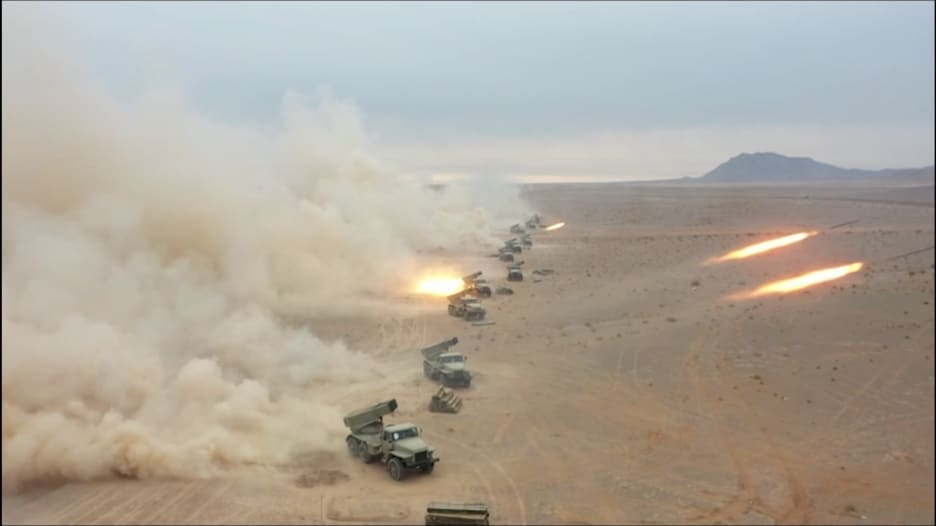
In a historic shift, Germany is seeking to rebuild its military strength to become the leading military force in Europe, in light of escalating Russian threats. General Carsten Breuer, the commander of the German armed forces, stated that Russia is enhancing its military capabilities, necessitating Germany's readiness to confront any potential aggression by 2029.
Breuer emphasizes that the current situation is the most dangerous in decades, as Russia significantly bolsters its military strength, making it capable of launching an attack on NATO territory. He states, "I have not faced a situation of this level of danger and urgency as is the case today."
Details of the Event
Under Breuer's leadership, Germany aims to significantly increase its military budget, expected to reach 162 billion euros by 2029, compared to 95 billion euros in 2025. Polls have shown that this increase enjoys strong support from the German public.
In an unprecedented move, approximately 1,200 German soldiers have been stationed in Lithuania, with the number expected to rise to 5,000 soldiers by the end of next year. This step reflects a significant shift in Germany's role in Europe, having suffered from a dark military history during the twentieth century.
Background & Context
Over the decades, Germany had reduced its military strength in an attempt to atone for the atrocities committed during the two World Wars. With the collapse of the Soviet Union, German forces dwindled to less than half of their previous strength, with the defense budget not exceeding 1.2% of GDP.
However, the Russian invasion of Ukraine has fundamentally changed Germany's approach to defense, prompting the German government to raise the defense budget to 5% of GDP.
Impact & Consequences
The rearmament of Germany is seen as a turning point in European security policy, as other European countries also seek to reassess their military priorities. For instance, the United Kingdom has pledged to increase its defense spending to 5% of GDP by 2035, while France targets 3.5%.
Nevertheless, these figures remain lower than Russia's military spending, estimated at 7.1% in 2024. This new direction requires a fundamental change in how Germany perceives the role of its armed forces in society.
Regional Significance
The significance of this shift in German military policy is heightened in the context of global geopolitical tensions, as Germany's military strengthening may affect balances in the Arab region. With escalating threats from Russia, Arab countries may seek to enhance their security and military cooperation with Western powers.
In conclusion, this shift in German military policy represents a step towards reshaping the security landscape in Europe and reflects the urgent need to confront increasing threats from the East. Strengthening cooperation among European countries in this context could have far-reaching implications for regional and international security.