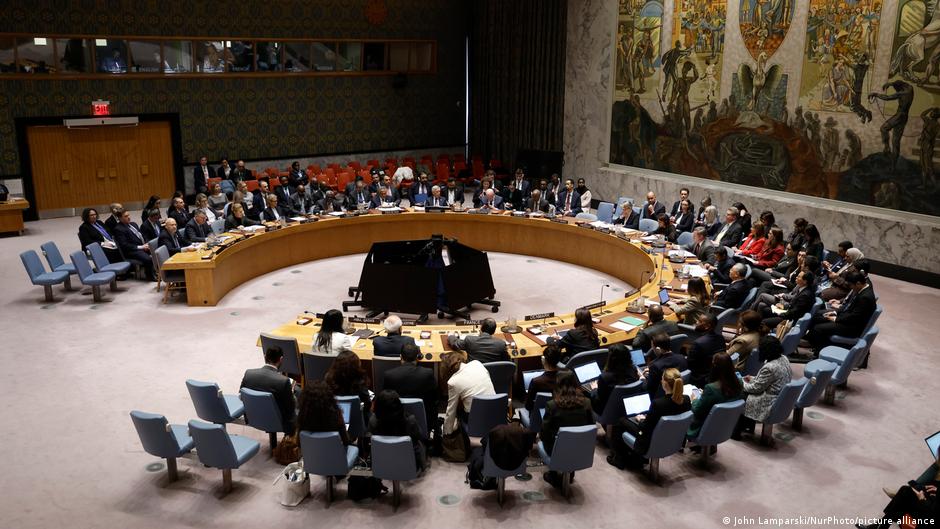
Germany is pursuing a non-permanent seat on the UN Security Council, with Foreign Minister Johan Wadfool emphasizing the importance of diplomacy amid global pressures. This initiative comes at a time of increasing international tensions, making diplomacy more crucial than ever.
Wadfool arrived at the United Nations headquarters in New York, where he delivered a brief speech addressing maritime security issues and the impacts of the war in Iran, as well as the closure of the Strait of Hormuz. Although Germany is not currently a member of the Security Council, the minister aims to make his country part of this council during the 2027-2028 term.
Event Details
Historically, Germany, including former West Germany, has served as a non-permanent member of the Security Council six times, while East Germany was a member once. The Security Council consists of five permanent members: the United States, China, Russia, France, and the United Kingdom, all of which possess veto power.
The upcoming elections for non-permanent Security Council seats require a two-thirds majority vote from the 193 members in a secret ballot. Wadfool faces significant challenges in his campaign, as Germany's nomination was announced late, making support from other countries essential.
Background & Context
Germany is one of the largest contributors to the United Nations, seeking to enhance its role on the international stage. These efforts come at a time when the world is witnessing an escalation of conflicts, from Ukraine to Sudan, increasing the importance of having countries like Germany in the Security Council.
Germany is also aiming to gain the support of the African nations group, which represents the largest voting bloc in the UN. Wadfool plans to visit the African Union representation during his trip to New York. He highlighted Germany's role as one of the world's largest donors, emphasizing the importance of experience and mutual understanding among nations.
Impact & Consequences
If Germany succeeds in obtaining the seat, it could significantly influence international policy, particularly regarding African issues. Additionally, Germany's support for the African Union's demands for two permanent seats on the Security Council could strengthen its position on the global stage.
The challenges facing the international rules-based order are evident, as many question the efficacy of diplomacy amid increasing chaos. Nonetheless, Wadfool underscores the importance of diplomacy in preventing the spread of disorder.
Regional Significance
Germany's efforts to secure a seat on the Security Council are significant for the Arab region, as they could lead to enhanced cooperation between Arab countries and Germany on regional issues. Furthermore, Germany's support for African nations' demands may open new avenues for Arab-African collaboration.
In conclusion, Germany aims to be one of the leading nations in rebuilding the international rules-based order, reflecting its commitment to diplomacy and international cooperation.