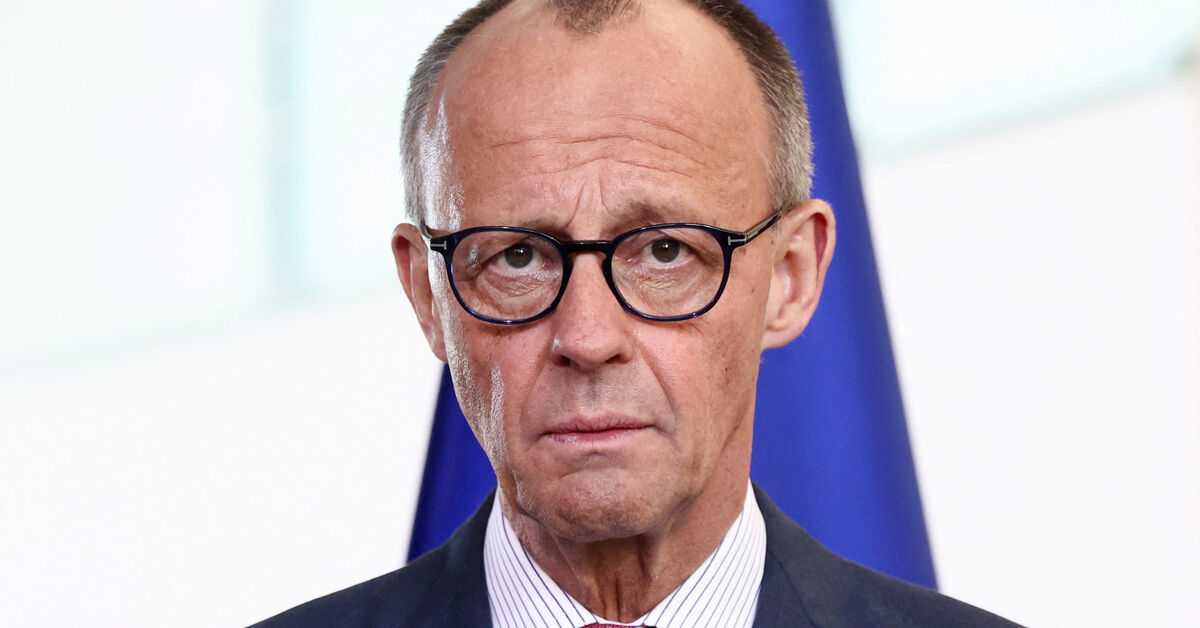
German Chancellor Friedrich Merz has confirmed that his relationship with U.S. President Donald Trump remains positive, despite the disagreement that has arisen between them regarding the conflict in Iran. This statement was made during remarks given by Merz in Berlin, where he emphasized the importance of cooperation between the United States and Europe in addressing global challenges.
Merz added that he feels concerned about the economic impact of the conflict in Iran, noting that this disagreement reflects the differing viewpoints between the Trump administration and its European allies in NATO on various issues, including the conflict in Ukraine.
Details of the Statements
Merz's statements come at a sensitive time, as tensions in the Middle East escalate due to the ongoing conflict in Iran. This dispute has raised concerns among many European nations that rely on the stability of the region for their economic and political security. It appears that Merz is striving to maintain a balanced relationship with Washington, despite the differences in perspectives.
He also highlighted the importance of dialogue among major powers, asserting that international cooperation is the only way to address global crises. He stressed the necessity for European nations to work alongside the United States to achieve stability in the region.
Background & Context
Historically, relations between the United States and Europe have been tense at times, especially regarding foreign policies. Since Trump took office, the relationship between the two sides has experienced significant fluctuations, with the U.S. administration taking a hardline stance towards Iran, which has alarmed European allies seeking to maintain the nuclear agreement with Tehran.
This backdrop of fluctuating relations underscores the complexities involved in transatlantic diplomacy, particularly as both sides navigate their interests in the context of a rapidly changing global landscape.
Impact & Consequences
The disagreements between the United States and Europe could impact economic and political stability in the region. Tensions in Iran may lead to rising oil prices and exacerbate economic crises in European countries that depend on imported energy. Furthermore, the continuation of the conflict could negatively affect regional security, complicating matters for European nations.
As these dynamics unfold, the potential for increased instability in the Middle East could have far-reaching implications for global markets and international relations.
Regional Significance
The significance of Merz's remarks lies in their reflection of the broader geopolitical landscape, where the interplay of U.S. and European interests is critical in shaping responses to regional conflicts. The ongoing situation in Iran serves as a litmus test for the strength of transatlantic ties and the ability of these nations to collaborate effectively in addressing shared challenges.
In conclusion, the relationship between the U.S. and Europe remains vital, and navigating the complexities of their differing views will be crucial for maintaining stability in the region.