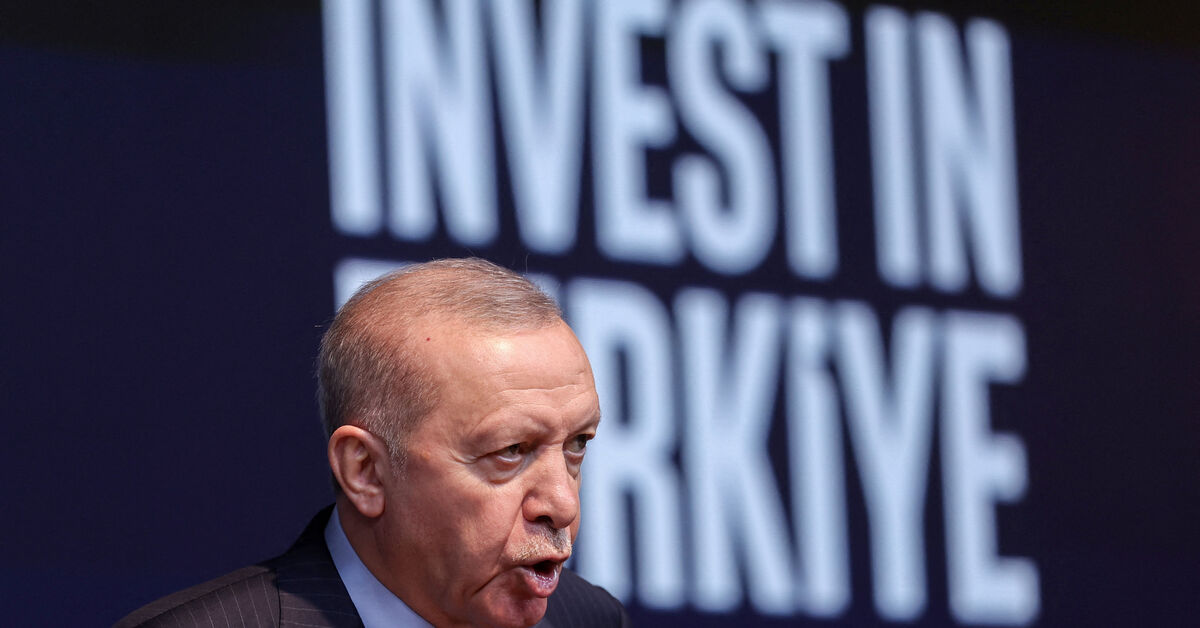
In a statement reflecting optimism about ending the long-standing conflict with Kurdish fighters, Turkish President Recep Tayyip Erdogan on April 29 confirmed that the peace process is advancing in a "positive atmosphere." This remark followed criticisms from lawmakers of the pro-Kurdish party who expressed concern over the slow progress of this initiative.
During his address in parliament, Erdogan clarified that recent steps taken have led to significant progress, noting that the approval of a parliamentary committee report outlining a roadmap for legal reforms has contributed to advancing the process to a more sensitive stage. He also emphasized the importance of dismantling the banned PKK (Kurdistan Workers' Party) as part of these efforts.
Details of the Peace Process
Erdogan's statements come at a critical time, as the Turkish economy faces significant challenges, increasing pressure on the government to seek peaceful solutions to the conflict. A parliamentary committee has been formed to discuss the necessary legal reforms to support the peace process, which is considered a positive step towards achieving stability in the region.
Despite this, concerns remain that the criticisms from pro-Kurdish lawmakers may impact the course of the process. These lawmakers have urged the government to take more serious steps to ensure the rights of Kurds, which requires a delicate balance between political and security demands.
Background & Context
Historically, Turkey has experienced a long conflict with the PKK since the 1980s, resulting in thousands of deaths and the displacement of many families. Successive Turkish governments have attempted to reach peaceful solutions, but these efforts have often faced political and security obstacles.
In recent years, the peace process has seen some progress, but it has also faced setbacks. Talks were revived in 2013 but stalled in 2015 following a surge in violence. Nevertheless, the current government is striving to revive these talks and achieve tangible results.
Impact & Consequences
The peace process with the Kurds carries significant implications for internal stability in Turkey, as well as its relations with neighboring countries. The success of this process could enhance the Turkish government's position domestically and reduce ethnic tensions that have long been a concern.
Moreover, achieving peace with the Kurds may open avenues for Turkey to strengthen its relations with Western countries, which are closely monitoring developments in the country.
Regional Significance
The peace efforts are crucial not only for Turkey's internal dynamics but also for the broader regional landscape. A stable Turkey could lead to improved security and cooperation in the region, potentially influencing neighboring countries positively.
In conclusion, Erdogan's commitment to the peace process reflects a strategic approach to address both domestic challenges and international relations, aiming for a comprehensive resolution that could benefit all parties involved.