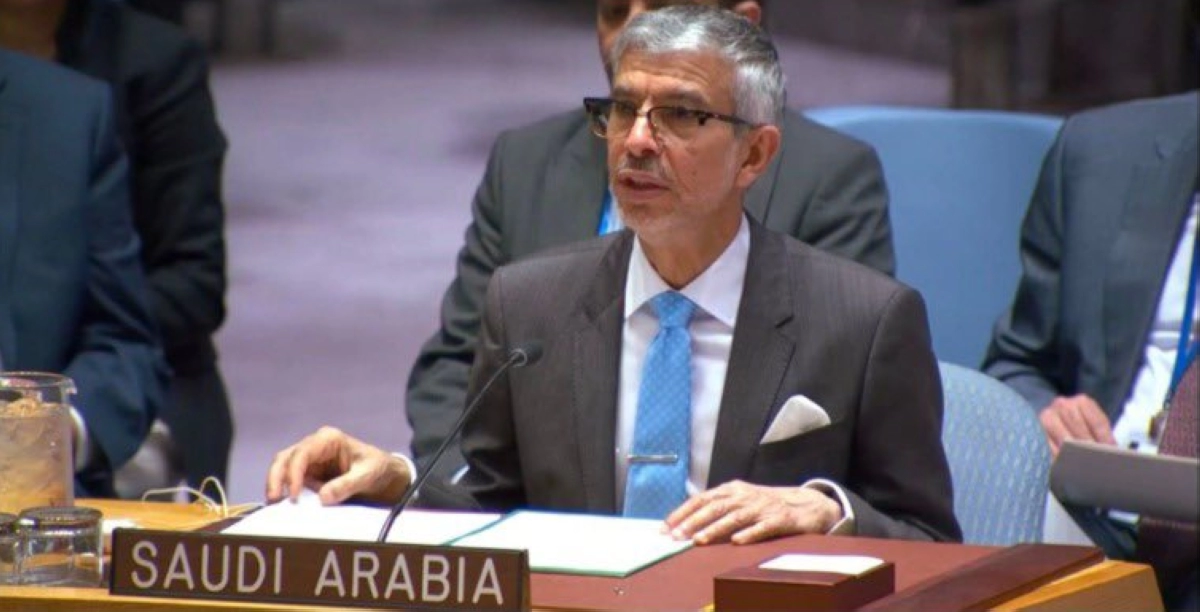
During a United Nations conference, Saudi Arabia urged for the full implementation of the Nuclear Non-Proliferation Treaty, emphasizing the need for a ceasefire in Gaza and reviving efforts to establish a Palestinian state based on the 1967 borders. These statements were made by the Saudi permanent representative to the UN, Dr. Abdulaziz Al-Wasil.
In his remarks, Al-Wasil affirmed that the treaty represents the cornerstone of the global nuclear non-proliferation regime, highlighting the importance of maintaining a balance among its three pillars: disarmament, non-proliferation, and the peaceful use of nuclear energy. He also called on nuclear-armed states to fulfill their commitments, stressing that the only guarantee against the use of nuclear weapons is their complete elimination.
Details of the Conference
Al-Wasil pointed out the right of member states to develop nuclear energy for peaceful purposes without additional restrictions, while enhancing transparency and cooperation with the International Atomic Energy Agency (IAEA). He also addressed regional issues, referring to Iranian attacks targeting civilians and civilian infrastructure, which were condemned under Security Council Resolution 2817. He emphasized the importance of enhancing regional security and respecting sovereignty.
Furthermore, Al-Wasil called for Iran's full cooperation with the IAEA to ensure the peaceful nature of its nuclear program. Saudi Arabia reiterated that establishing a nuclear-free zone in the Middle East remains a collective international responsibility, noting that Israel's non-signatory status to the treaty represents a major obstacle to achieving this goal.
Background & Context
Historically, the Middle East has been prone to political and military tensions, with growing concerns over the proliferation of nuclear weapons amid ongoing conflicts. The Nuclear Non-Proliferation Treaty is one of the key mechanisms aimed at limiting the spread of nuclear weapons and enhancing global security.
In recent years, the region has witnessed escalating tensions among states, particularly with the rise of Iranian nuclear activities, which have increased concerns among neighboring countries. Through these calls, Saudi Arabia seeks to strengthen its position as a supporter of security and stability in the region.
Impact & Consequences
Saudi Arabia's call for a nuclear-free zone is a significant step towards enhancing regional security. Should the concerned states respond positively, this could lead to a reduction in tensions and increased cooperation among Arab states and Israel. However, the greatest challenge remains how to address the Iranian nuclear program, which many countries perceive as a threat to regional security.
Additionally, these calls could impact international relations, potentially reshaping alliances in the region and enhancing Saudi Arabia's role as an active regional power in global issues.
Regional Significance
These calls are directly related to the interests of Arab states, as establishing a nuclear-free zone could contribute to achieving stability in the region. Supporting Palestinian rights and the establishment of an independent Palestinian state reflects Saudi Arabia's commitment to the Palestinian cause, thereby strengthening its position in the Arab world.
In conclusion, these Saudi statements represent a clear call for regional and international cooperation to achieve security and peace in the Middle East, reflecting the importance of Saudi Arabia's role in promoting regional stability.