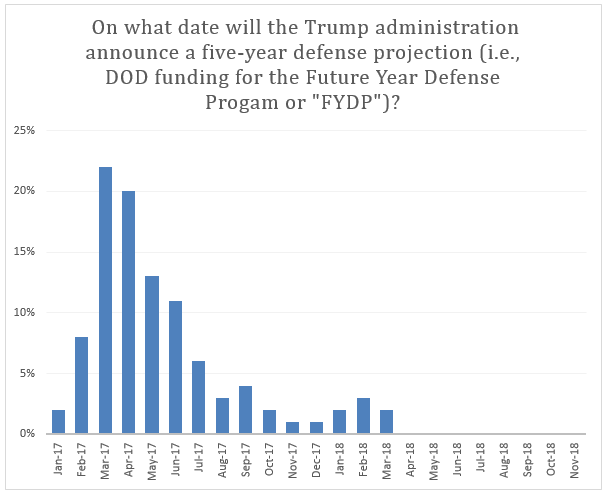
In a controversial move, President Donald Trump has proposed a 44% increase in the defense budget, raising the total budget to $1.5 trillion. This proposal comes at a sensitive time as Trump faces opposition from members of both parties, raising questions about the future of American defense policy.
The proposed defense budget includes a significant increase in spending on the armed forces, which Trump considers essential to enhance the United States' military strength in the face of global challenges. However, this increase has faced criticism from some Republicans who believe it could exacerbate the financial deficit.
Details of the Proposal
The Trump administration aims to bolster the military capabilities of the United States through this budget, including updating weapons and military technology. However, some prominent members of Congress, such as Mitch McConnell, have expressed concern that this increase could negatively impact the overall budget and worsen the national debt.
On the other hand, some Democrats have pointed out that an emphasis on increasing military spending should be accompanied by investments in other areas such as education and healthcare. These discussions reflect the growing divide in American politics regarding how to allocate financial resources.
Background & Context
Historically, the American defense budget has received significant support from both parties, but clear divisions have begun to emerge in recent years. Amid rising tensions with countries like China and Russia, Trump seeks to strengthen the United States' position as a superpower. However, concerns about financial deficits may limit the administration's ability to implement these increases.
There is also a long history of debate surrounding the defense budget, which represents a large portion of federal spending. In previous years, there have been attempts to cut the budget, but security pressures often lead to increased spending.
Impact & Consequences
If the budget is passed as proposed, it could lead to a significant increase in military spending, potentially affecting other budgets. This increase may also provoke reactions from other countries, leading to a new arms race in the region.
Furthermore, this budget could exacerbate political divisions within the United States, as members of Congress face increasing pressure to express their positions on military spending. This debate may impact upcoming elections, as each party seeks to demonstrate its stance on security and financial issues.
Regional Significance
For the Arab region, an increase in the American defense budget could affect military balances in the Middle East. Some Arab countries may feel concerned about the enhancement of American military capabilities, potentially leading to increased tensions in the region.
Moreover, this budget may impact military aid provided to certain Arab countries, as resources may be redirected towards enhancing American military capabilities instead of supporting allies in the region.
In conclusion, Trump's proposal to increase the defense budget highlights the challenges facing American policy at present. While seeking to enhance military strength, the question of how to balance security and the economy remains open.